Life of India’s Traditional Honey Hunters in Deep Forests
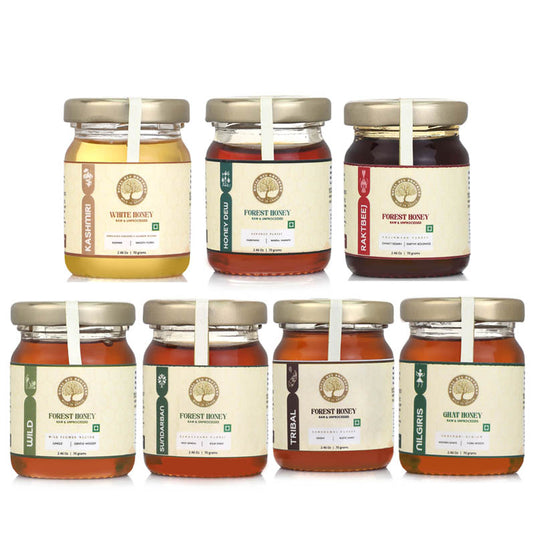
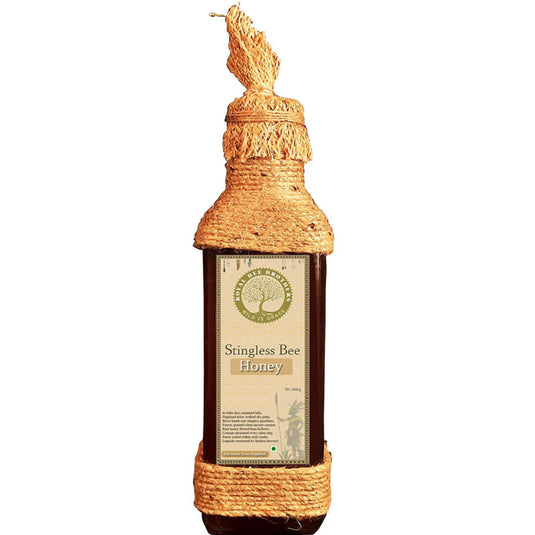
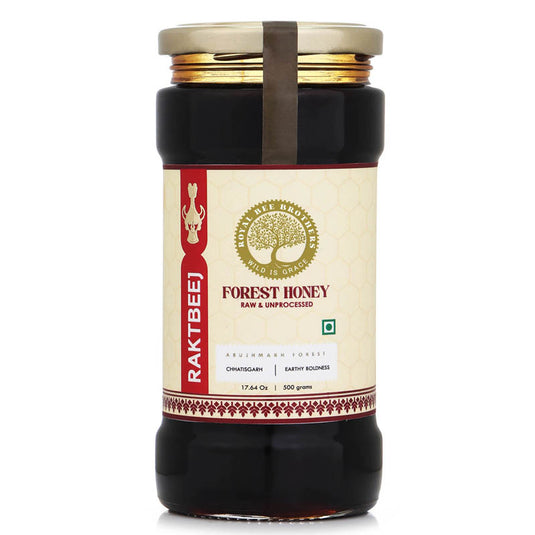
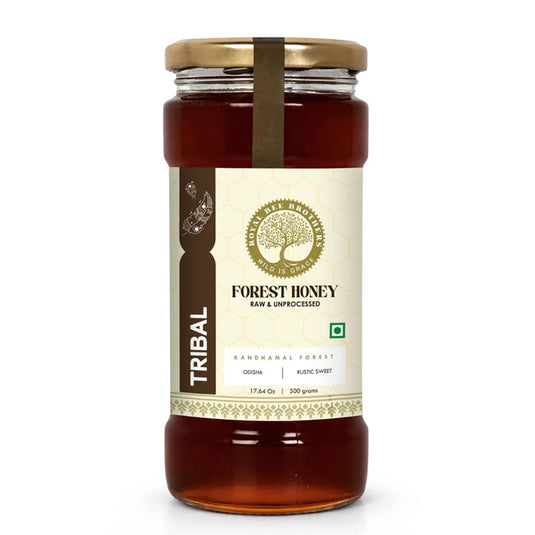
At Royal Bee Brothers, every jar of forest honey carries a story far deeper than sweetness. It carries the spirit of untouched forests, the wisdom of indigenous communities, and the courage of traditional honey hunters who have lived in harmony with nature for generations.
In today’s fast-moving world of industrial food production, the ancient art of honey hunting still survives quietly inside the dense forests of India — protected by tribal communities who understand the language of bees, trees, seasons, and wilderness.
Table of Contents

The Ancient Tradition of Forest Honey Hunting
Deep inside the forests of Katarniyaghat in Bahraich, Uttar Pradesh, generations of traditional honey hunters continue a sacred relationship with nature that has existed for centuries.
These honey hunters do not see bees as resources to exploit. Instead, they view them as guardians of the forest. Every hive is approached with patience, gratitude, and humility.
For families living near the forests, honey hunting is not merely a profession — it is identity, survival, heritage, and spirituality woven together.

Journey Deep Into the Forests of Katarniyaghat
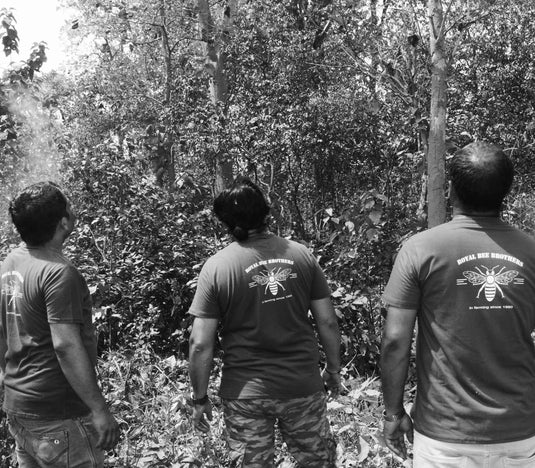
Before sunrise, Budhiya quietly prepares for his journey into the wilderness. The forest air is cool, heavy with the scent of wet earth and flowering trees. Around him, the village still sleeps while distant birds slowly awaken the jungle.
Carrying only a rope ladder, a smoking pot, and a few handmade tools, he walks barefoot into the dense forest paths he has known since childhood.
For hours, he moves silently beneath towering trees, crossing rivers, thorny trails, and thick vegetation. The deeper he enters the forest, the louder nature becomes. The buzzing of bees grows stronger. Wildflowers perfume the air. Sunlight struggles to pass through the ancient canopy above.

For honey hunters like Budhiya, these forests are not dangerous places. They are living homes filled with memory, ancestors, and stories passed from one generation to another.
How Wild Forest Honey is Harvested Sustainably
Eventually, Budhiya locates a massive wild honeycomb hanging high from an ancient tree branch. Thousands of bees guard their golden treasure beneath the forest canopy.
With calm focus, he lights natural smoke made from dried leaves and medicinal forest plants. The smoke gently relaxes the bees without harming them.

Slowly, he climbs the rope ladder suspended dangerously above the ground. Every step requires balance, patience, and years of experience.
Only mature honey sections are harvested. The brood chambers and enough honey reserves are always left untouched so the bee colony can continue thriving naturally.
This sustainable practice protects both the bees and the forest ecosystem — something industrial honey production often ignores.
The Human Side of Honey Hunting
At Royal Bee Brothers, what moves us most is not simply the honey itself — but the human stories behind it.
When Budhiya returns to his village carrying fresh forest honey, children run toward him with excitement. Families gather around carefully harvested honeycomb glowing like liquid amber beneath the evening sunlight.
For many tribal communities, this honey represents more than food or income. It represents dignity. It helps families educate their children, preserve their traditions, and continue living in harmony with forests instead of abandoning them.

Many honey hunters risk their lives climbing enormous trees hundreds of feet high. Some journeys take days. Some return empty-handed after storms or damaged hives. Yet they continue because the forest is deeply connected to who they are.
When you taste raw forest honey, you are tasting countless unseen moments:
- Long forest journeys before sunrise
- The sound of buzzing bees in ancient trees
- The patience of skilled honey hunters
- The wisdom of indigenous communities
- The untouched biodiversity of India’s forests
This is why wild forest honey feels alive. It carries emotion, struggle, nature, and tradition within every spoonful.

Why Forest Honey Tastes Different
Wild forest honey contains nectar from hundreds of medicinal flowers, herbs, and wild blossoms growing naturally across untouched ecosystems.
Unlike processed commercial honey, raw forest honey retains natural pollen, antioxidants, enzymes, and floral complexity that cannot be artificially replicated.
Its taste changes with seasons, rainfall, geography, and biodiversity — making every harvest beautifully unique.
Royal Bee Brothers & Indigenous Communities
At Royal Bee Brothers, we proudly work directly with indigenous honey hunting communities across India to support ethical sourcing and sustainable livelihoods.
We believe preserving traditional honey hunting is essential not only for protecting biodiversity but also for honoring ancient ecological wisdom that modern food systems are slowly losing.
Every jar of honey purchased supports:
- Sustainable tribal livelihoods
- Forest conservation
- Ethical honey harvesting
- Protection of indigenous traditions
- Natural pollination ecosystems

The Legacy of India’s Honey Hunters
The story of India’s honey hunters reminds us that true nourishment comes from respecting nature rather than controlling it.
Long before factories and processed foods existed, forests provided healing, sweetness, and life through the remarkable relationship between bees and humans.
At Royal Bee Brothers, we are honored to share these traditions with the world while helping preserve the forests, bees, and indigenous communities that make authentic wild forest honey possible.
And somewhere deep inside the forests of India, as sunlight filters through ancient trees and bees continue their endless dance across wildflowers, the timeless legacy of honey hunting still lives on.
Frequently Asked Questions
What is wild forest honey?
Wild forest honey is raw honey naturally harvested from wild bee colonies living deep inside forests without commercial beekeeping practices.
Why is forest honey special?
Forest honey contains nectar from diverse medicinal flowers and herbs, giving it richer taste, aroma, and nutritional complexity compared to regular processed honey.
How do honey hunters collect honey?
Traditional honey hunters climb forest trees using rope ladders and harvest honey sustainably while protecting bees and preserving the hive ecosystem.
Does Royal Bee Brothers support ethical honey sourcing?
Yes. Royal Bee Brothers works directly with indigenous communities to promote sustainable honey harvesting, fair trade practices, and forest conservation.
Explore Our Other Stories
From wild forests to ancient traditions, discover more untold journeys of nature, honey, and heritage.
Exploring India’s Wild Bounty
Stories of ancient wisdom, wild honey traditions, sacred forests, and nature’s timeless connection with humanity.
Mahwa: The Sacred Flower of Bastar
Mahwa symbolizes tribal culture, forest traditions, natural abundance, spirituality, and sustainable indigenous living.
Bastar’s Chapda Chutney
Bastar’s Chapda Chutney is a mysterious tribal delicacy, blending forest traditions, red ants, bold flavors, and ancient indigenous heritage.
The Honey Hunter of Katarniyaghat
Discover wild forest honey traditions, tribal honey hunters, jungle survival, natural heritage, and untamed wilderness stories.
Tales from Sundarban ! Part-1
Explore how mangroves protect coastlines and sustain rare biodiversity in tidal forests.
Tales from Sundarban ! Part-2
In Sundarbans folklore, Bengal tigers guard wild honey forests, where fearless honey hunters journey through dangerous mangroves for survival.
The Lush Forests of Kandhamal & Honeyguide
Mythical stories that define the spiritual balance between humans, birds, and forest.