"
Unit price
per


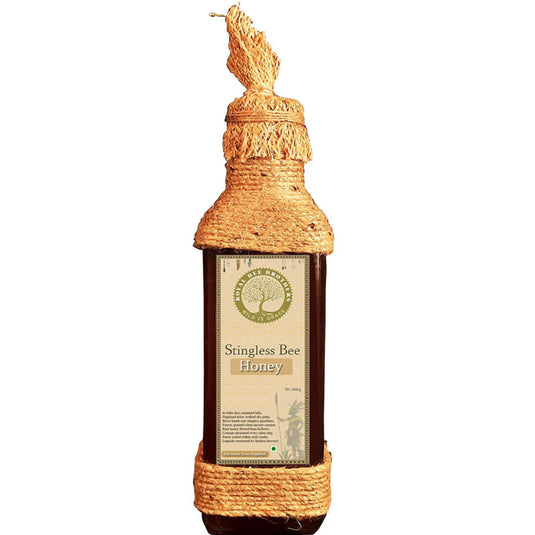
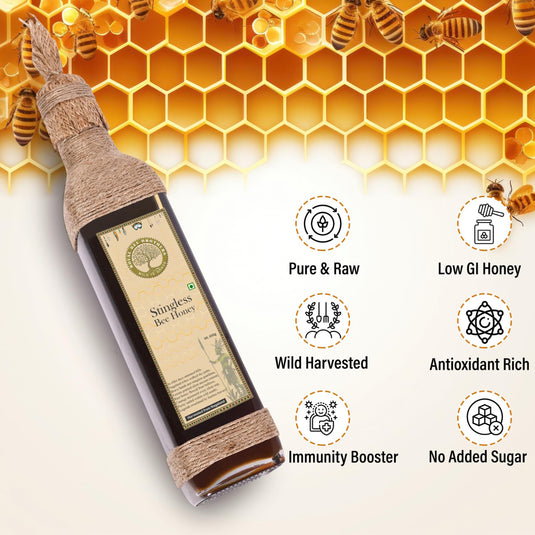
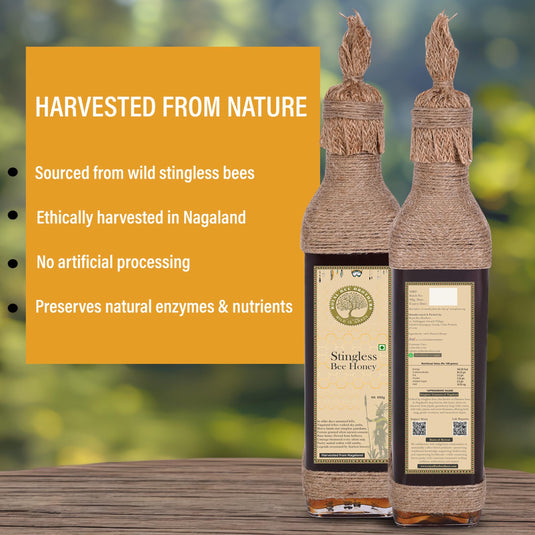
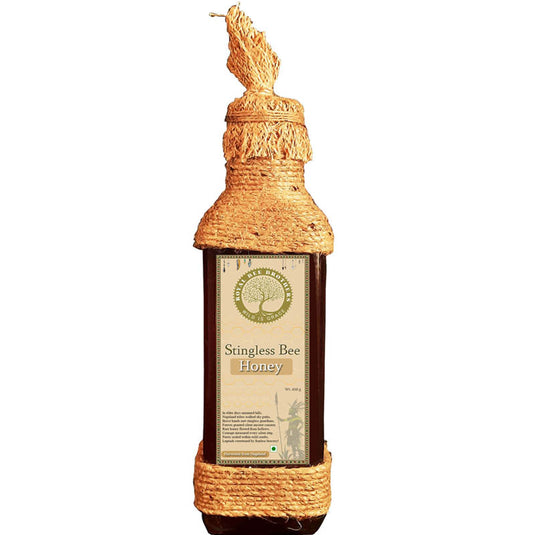
Stingless Bee Honey, Produce of Dammer Bee, Raw & Unprocessed, Harvested from Nagaland
Rs. 1,450.00
Rs. 1,450.00
Rs. 1,800.00
Couldn't load pickup availability
Rare Stingless Bee Honey from Nagaland and Assam features a tangy sour-sweet flavor, natural fermentation, probiotic benefits, antioxidants, and antimicrobial properties, harvested sustainably from wild Dammer bees in forest terrains.
Rich in antioxidants, vitamins, and minerals, forest honey serves as a potent source of nourishment, supporting overall health and well-being. Its unique flavor profile, derived from the diverse array of floral sources within the forest, provides a sensory experience that delights the palate and distinguishes it from other varieties of honey. Additionally, forest honey possesses natural antibacterial, antifungal, and anti-inflammatory properties, making it a versatile remedy for various health issues, including wound healing, sore throat relief, and immune system support.
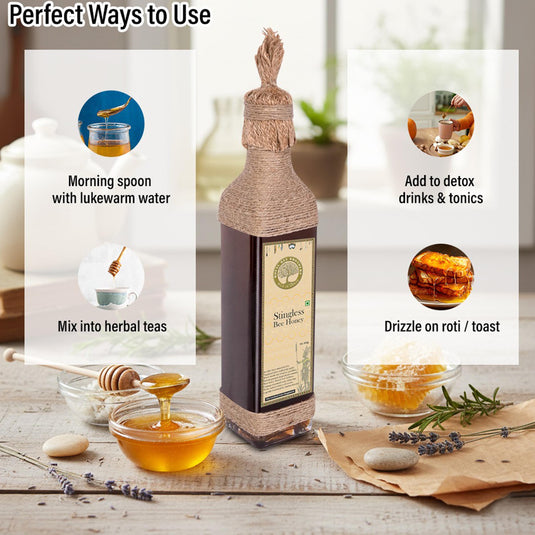
Honey can be used as a natural sweetener in place of sugar to help reduce overall calorie intake. Starting the day with a warm glass of water mixed with honey and lemon can help boost metabolism and support weight loss efforts. Honey adds a natural sweetness and helps emulsify homemade salad dressings. Combine honey with olive oil, mustard, vinegar, and herbs to create a flavorful and healthy dressing for your salads. Honey can be used to sweeten teas, smoothies, and other beverages. Unlike refined sugar, honey provides additional nutrients and can help soothe the throat, making it a great addition to herbal teas. Replace sugar with honey in baking recipes for cakes, cookies, and breads. Honey adds moisture and a distinct flavor to baked goods. It can also be used in marinades and glazes for meats and vegetables, enhancing the taste and texture of dishes. Honey's antibacterial and moisturizing properties make it an excellent ingredient for skin care. It can be applied directly to the skin as a mask or mixed with other natural ingredients like yogurt or oatmeal for a nourishing and soothing treatment. A spoonful of honey can help alleviate symptoms of coughs and colds. Its soothing effect can reduce throat irritation, and its antimicrobial properties can help fight infections. Mixing honey with warm water, lemon, and ginger can provide additional relief and support the immune system.
Overview
Rare Raw Stingless Bee Honey from Nagaland & Assam
Stingless Bee Honey is a rare and premium raw honey harvested from the forests of Nagaland and Assam. Produced by the indigenous Dammer Bee (Meliponini), this raw and unprocessed honey is naturally collected from tree hollows, bamboo nodes, and rock crevices. The bees gather nectar from wild Jujube, Gooseberry, King Chilli blossoms, and citrus flowers, giving the honey a unique reddish-brown color and a tangy sour-sweet taste with natural fermentation notes. Rich in antioxidants, enzymes, antimicrobial compounds, and probiotic properties, this forest honey is valued for its wellness benefits and purity. Each bottle comes in a handcrafted glass container inspired by traditional Naga handicrafts, making it a luxurious and authentic honey experience.
📄 Download Honey Report
Shipping & Return
Shipping Policy
- Dispatch: Within 24 Hours
- Free shipping across all products on a minimum purchase of Rs. 399.
- Standard delivery time - 5-7 business days
- Cash on delivery is available
Return Policy
Reviews
Explore Stingless Bee Honey
What is the origin of Stingless Bee Honey?
This honey is harvested from the forests of Nagaland and Assam.
How do you verify that this Stingless Bee Forest Honey is pure?
This honey is tested in NABL certified lab, and we are providing test report with each bottle.
Key Analysis are:
- Adulteration Analysis
- Micro-Biological Analysis
- Physio-Chemical Analysis
- Nutritional Analysis
- Chemical Analysis
Through standard tests like Fiehe’s test, Sucrose content check (<5%), HMF levels, and pollen analysis, which confirm its raw and unprocessed.
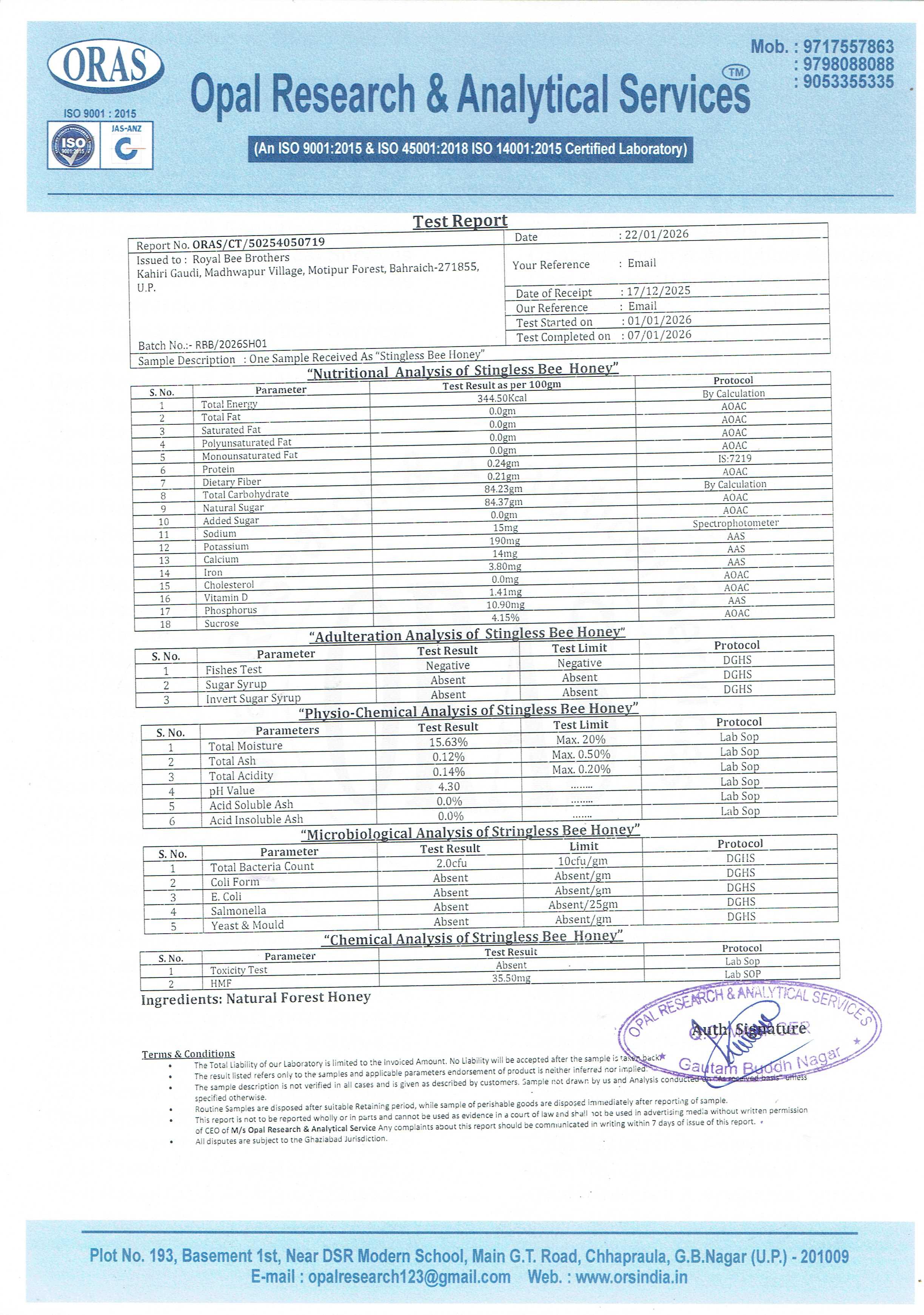
Key Analysis are:
- Adulteration Analysis
- Micro-Biological Analysis
- Physio-Chemical Analysis
- Nutritional Analysis
- Chemical Analysis
Through standard tests like Fiehe’s test, Sucrose content check (<5%), HMF levels, and pollen analysis, which confirm its raw and unprocessed.
What flowers and plants do the bees gather nectar from in this honey?
Stingless bee honey of Nagaland and Assam comes from diverse flora like jujube, gooseberry, king chilli, citrus, wild tulsi, litchi, banana, guava, jamun, and neem blossoms.
Which species of honeybees this Honey?
This honey is produced by stingless bees (Meliponini), also known as dammer bees. Smaller than Apis Dorsata honeybees, they are harmless, highly efficient pollinators, and their honey is prized for medicinal and antimicrobial properties.
Stingless Bee use propolis (plant resin) extensively in their hives, giving their honey medicinal properties. Also, it is higher in antioxidants, antimicrobials, and enzymes, contains probiotic qualities due to natural fermentation.
Stingless bees produce very small amounts (less than 1 kg/year per hive) which makes the honey rare and more expensive than forest honey from Apis species.
This honeybee nests in tree trunks, wall crevices, or sometimes underground and harvesting is more delicate and sustainable, often involving indigenous knowledge.
Stingless Bee use propolis (plant resin) extensively in their hives, giving their honey medicinal properties. Also, it is higher in antioxidants, antimicrobials, and enzymes, contains probiotic qualities due to natural fermentation.
Stingless bees produce very small amounts (less than 1 kg/year per hive) which makes the honey rare and more expensive than forest honey from Apis species.
This honeybee nests in tree trunks, wall crevices, or sometimes underground and harvesting is more delicate and sustainable, often involving indigenous knowledge.
In what ways is Stingless Bee Honey unique compared to commercial honey?
Raw and Unprocessed:
Stingless honeybee honey is raw, unprocessed, unheated, and minimally filtered. This preserves the natural pollen content and beneficial enzymes that support overall health whereas mostly commercial honey is pasteurized, filtered, and processed, which removes beneficial enzymes and pollen. Stingless Bee use propolis (plant resin) extensively in their hives, giving their honey medicinal properties. Also, it is higher in antioxidants, antimicrobials, and enzymes, contains probiotic qualities due to natural fermentation.
Sourced from Indigenous Wild Honeybees:
It is produced by native Indian Stingless honeybee, unlike most commercial honey which comes from domesticated Italian honeybees (Apis mellifera).
Collected from Deep Forests, Not Farmlands:
This honeybee nests in tree trunks, wall crevices, or sometimes underground and harvesting is more delicate and sustainable, often involving indigenous knowledge. This honeybee is better pollinators of small flowers and certain crops which is crucial for forest regeneration and ecosystem balance in tropical areas like Nagaland and Assam. In contrast, domesticated bees are kept in boxes near crop fields and primarily gather nectar from pesticide-treated crops—potentially introducing chemical residues into the honey.
Free from Pesticide Contamination:
Since the honeybees forage in untouched forest areas, the honey is less likely to contain pesticides or agricultural chemicals, making it a more natural and safer choice.
Naturally Varies in Taste, Color, and Texture:
The flavor, aroma, color, and texture of forest Honey naturally vary with the changing forest flora across seasons. In comparison, commercial honeys are often blended to maintain a uniform appearance and taste.
Stingless honeybee honey is raw, unprocessed, unheated, and minimally filtered. This preserves the natural pollen content and beneficial enzymes that support overall health whereas mostly commercial honey is pasteurized, filtered, and processed, which removes beneficial enzymes and pollen. Stingless Bee use propolis (plant resin) extensively in their hives, giving their honey medicinal properties. Also, it is higher in antioxidants, antimicrobials, and enzymes, contains probiotic qualities due to natural fermentation.
Sourced from Indigenous Wild Honeybees:
It is produced by native Indian Stingless honeybee, unlike most commercial honey which comes from domesticated Italian honeybees (Apis mellifera).
Collected from Deep Forests, Not Farmlands:
This honeybee nests in tree trunks, wall crevices, or sometimes underground and harvesting is more delicate and sustainable, often involving indigenous knowledge. This honeybee is better pollinators of small flowers and certain crops which is crucial for forest regeneration and ecosystem balance in tropical areas like Nagaland and Assam. In contrast, domesticated bees are kept in boxes near crop fields and primarily gather nectar from pesticide-treated crops—potentially introducing chemical residues into the honey.
Free from Pesticide Contamination:
Since the honeybees forage in untouched forest areas, the honey is less likely to contain pesticides or agricultural chemicals, making it a more natural and safer choice.
Naturally Varies in Taste, Color, and Texture:
The flavor, aroma, color, and texture of forest Honey naturally vary with the changing forest flora across seasons. In comparison, commercial honeys are often blended to maintain a uniform appearance and taste.
What is raw and unprocessed honey?
Raw and Unprocessed honey means it hasn't been pasteurized, heated or heavily filtered. It retains pollen, propolis, and enzymes, making it more beneficial for health.
How does this honey taste, and what color is it?
Stingless bee honey is reddish-brown in color, often darker than most of the regular forest honey. Its taste is tangy, semi-sweet, and slightly fermented, with a unique acidic note that sets it apart. This complex flavor profile comes from the natural fermentation process and the diverse floral resins used by the bees.
Why some honey crystallizes over time?
Honey is primarily made from flower nectar and is a combination of glucose and fructose. Honeybees collect nectar from flowers and store it in their hive to make honey. Each type of flower has a different glucose-to-fructose ratio, and these ratios determine the crystallization of honey.
Honey crystallizes if the glucose content is high; similarly, honey may not crystallize if the fructose content is higher. So, crystallization depends on the types of flora the honeybees have foraged from. For example, mustard flower honey may crystallize in 7–10 days, whereas Kalsi flower honey may not crystallize.
If Glucose / Fructose ratio is >=1 ; Honey may crystalize
If its < 0.9 ; Honey may not crystalize.
Why Does Honey Crystalize?
Glucose is less soluble than fructose in water, so when glucose is high, it tends to form crystals faster.
Fructose is more soluble, so honey with higher fructose crystallizes slower or stays liquid longer
Some of the examples of High Crystallization Honeys:
Mustard Honey
Glucose content is high → crystallizes quickly (within 7-10 days)
Rapeseed (Canola) Honey
Very high glucose content → crystallizes rapidly
Sunflower Honey
Moderate to high glucose → crystallizes relatively fast
Clover Honey
Known for fast crystallization due to higher glucose
Alfalfa Honey
Tends to crystallize quickly due to sugar composition
Crystallization should never be considered as a purity parameter, it is completely normal and does not mean the honey has gone bad or it is adulterated honey!
Honey crystallizes if the glucose content is high; similarly, honey may not crystallize if the fructose content is higher. So, crystallization depends on the types of flora the honeybees have foraged from. For example, mustard flower honey may crystallize in 7–10 days, whereas Kalsi flower honey may not crystallize.
If Glucose / Fructose ratio is >=1 ; Honey may crystalize
If its < 0.9 ; Honey may not crystalize.
Why Does Honey Crystalize?
Glucose is less soluble than fructose in water, so when glucose is high, it tends to form crystals faster.
Fructose is more soluble, so honey with higher fructose crystallizes slower or stays liquid longer
Some of the examples of High Crystallization Honeys:
Mustard Honey
Glucose content is high → crystallizes quickly (within 7-10 days)
Rapeseed (Canola) Honey
Very high glucose content → crystallizes rapidly
Sunflower Honey
Moderate to high glucose → crystallizes relatively fast
Clover Honey
Known for fast crystallization due to higher glucose
Alfalfa Honey
Tends to crystallize quickly due to sugar composition
Crystallization should never be considered as a purity parameter, it is completely normal and does not mean the honey has gone bad or it is adulterated honey!
Is it safe to give this honey to a child under 1 year old?
As per FSSAI (Food Safety and Standards Authority of India) regulations, honey is not recommended for consumption by infants under 12 months, to prevent the risk of infant botulism.
Can diabetic patient consume honey?
Honey is a natural sweetener, but it still contains sugar in form of glucose and fructose. So, consuming any type of honey can raise blood sugar level. Diabetic people should consult the doctor before including honey in their diet.
Is this honey sourced from a third party?
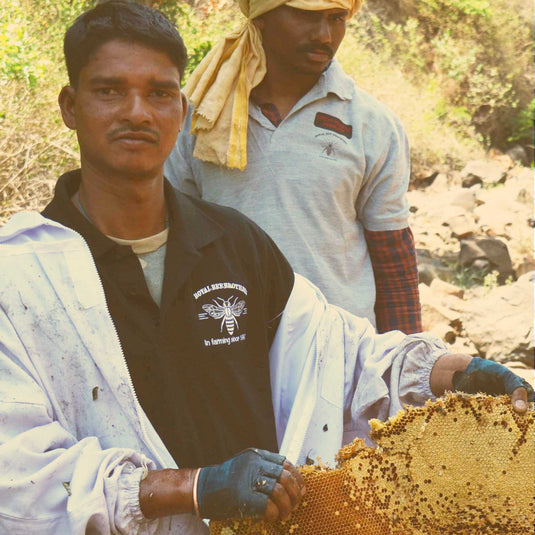
No, we do not source honey from third parties. We have a dedicated team of skilled honey harvesters who travel from forest to forest during the harvesting season. Our harvesters work closely with the local and tribal communities, respecting their traditional knowledge and sustainable practices. This collaboration not only ensures high-quality, pure honey but also supports the livelihoods of these communities, empowering them and preserving their cultural heritage while promoting environmentally friendly honey harvesting.
What is the best way to store this honey?
Store honey in a tightly sealed container at room temperature, away from direct sunlight and moisture. Keep it in a cool, dry place—there’s no need to refrigerate, as cold temperatures can cause it to crystallize faster.
In what ways can this Stingless beehoney be used?
Daily Health Supplement
Consumed with warm water and lemon in the morning for detox & weight management.
A spoonful taken daily for boosting energy and immunity.
Used in homemade kadha (herbal decoctions) during seasonal
Cooking Application
Natural sweetener in tea, milk, lassi, or green tea.
Added to rotis or parathas for kids as a natural treat.
Used in traditional sweets like honey chikki or desserts.
Home Remedies
Mixed with ginger juice for cough and throat pain.
Combined with cinnamon or black pepper for cold and flu relief.
Taken with warm milk for better sleep and digestion.
Helps treat cough, cold, sore throat, and digestive issues.
Mixed with turmeric or tulsi for immunity-boosting remedies.
Consumed with warm water and lemon in the morning for detox & weight management.
A spoonful taken daily for boosting energy and immunity.
Used in homemade kadha (herbal decoctions) during seasonal
Cooking Application
Natural sweetener in tea, milk, lassi, or green tea.
Added to rotis or parathas for kids as a natural treat.
Used in traditional sweets like honey chikki or desserts.
Home Remedies
Mixed with ginger juice for cough and throat pain.
Combined with cinnamon or black pepper for cold and flu relief.
Taken with warm milk for better sleep and digestion.
Helps treat cough, cold, sore throat, and digestive issues.
Mixed with turmeric or tulsi for immunity-boosting remedies.
Step Into the Wild Forest World
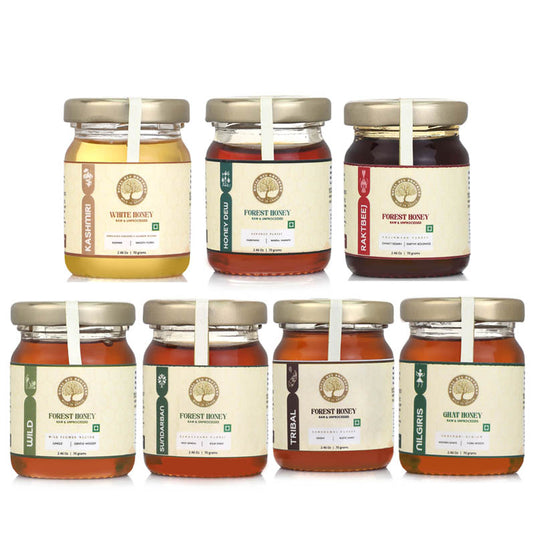
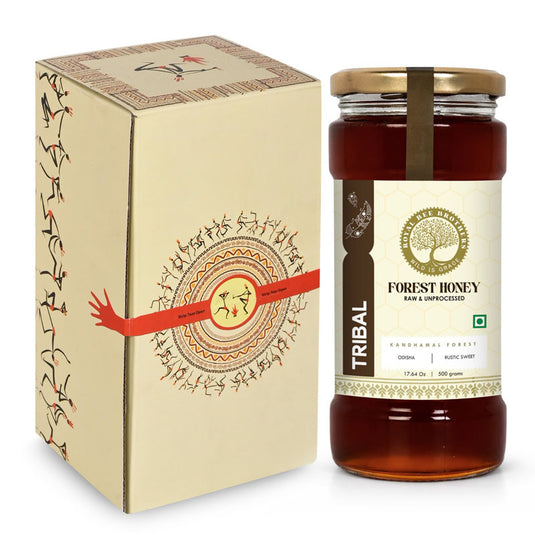
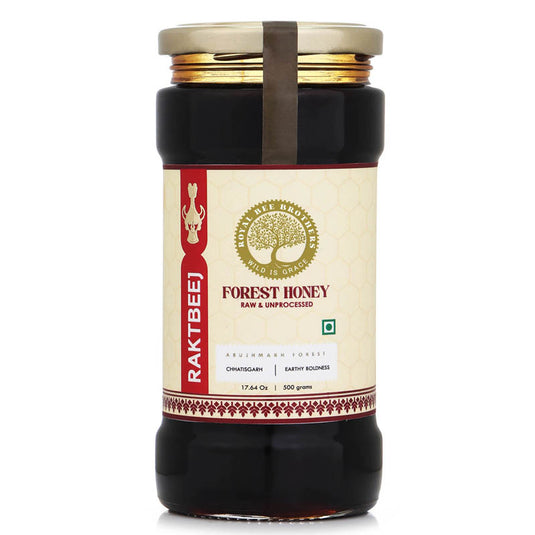
Forest Picks You'll Love
Behind every product lies a story of dedicated communities, thriving forests, and generations of traditional knowledge. Discover nature's finest treasures, thoughtfully sourced and carefully crafted with respect for people, forests, and sustainable practices.

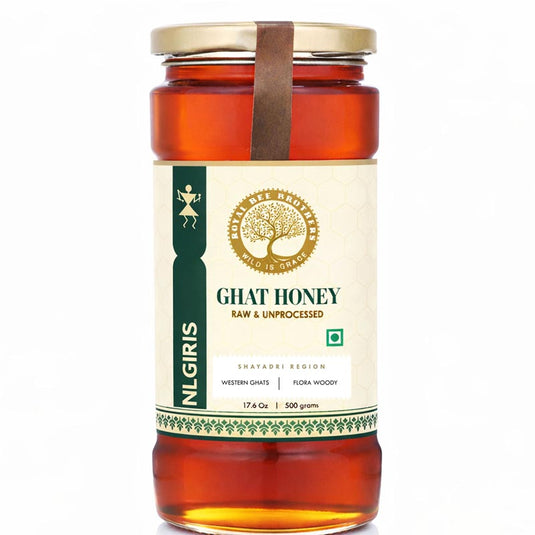
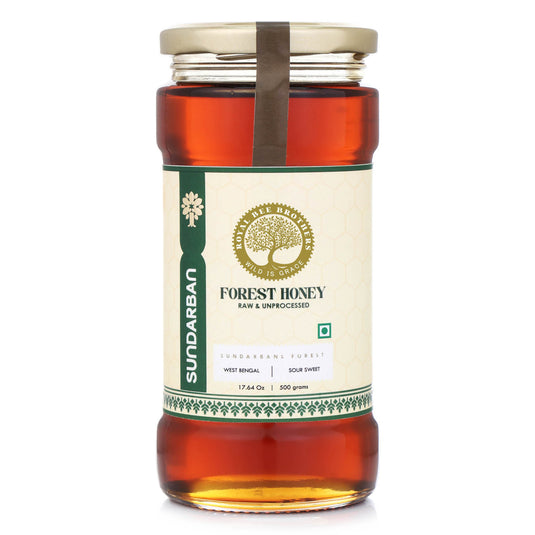
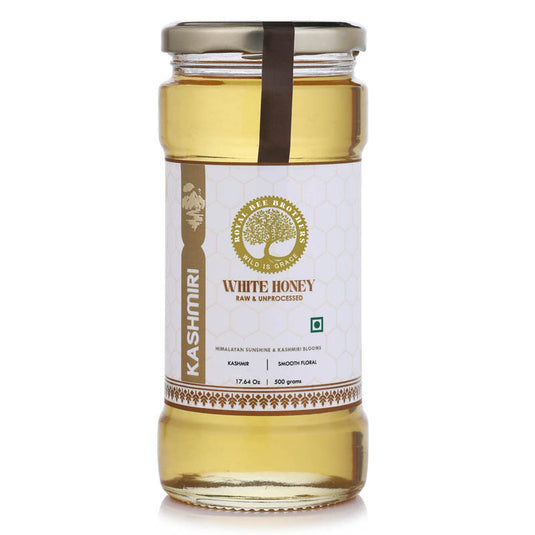
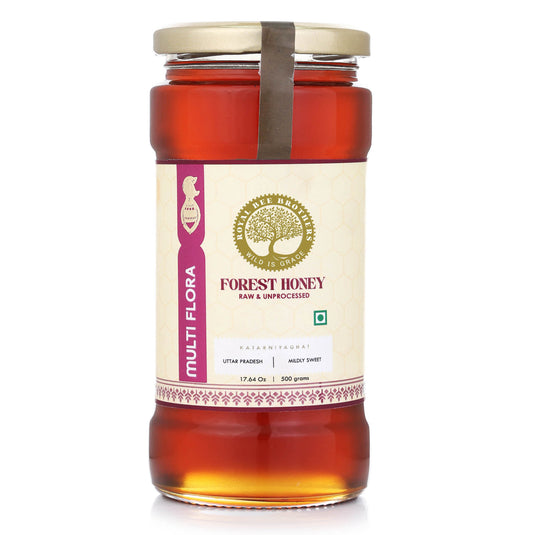
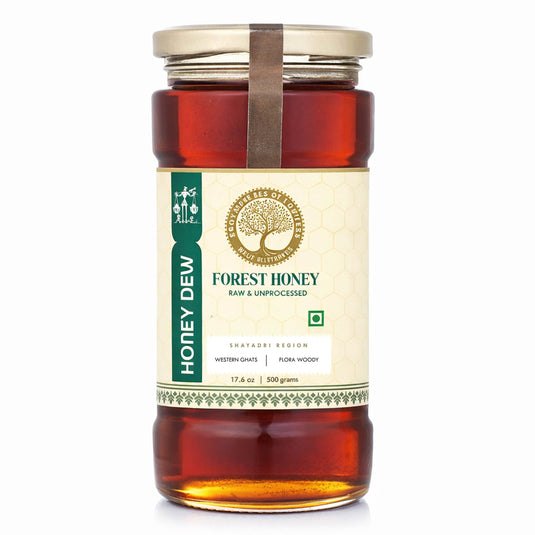
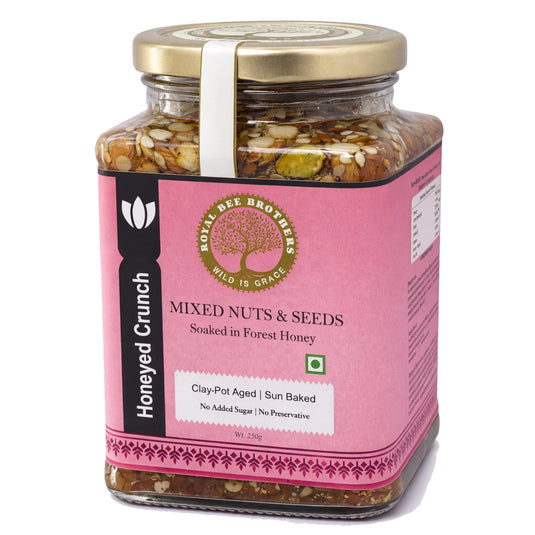

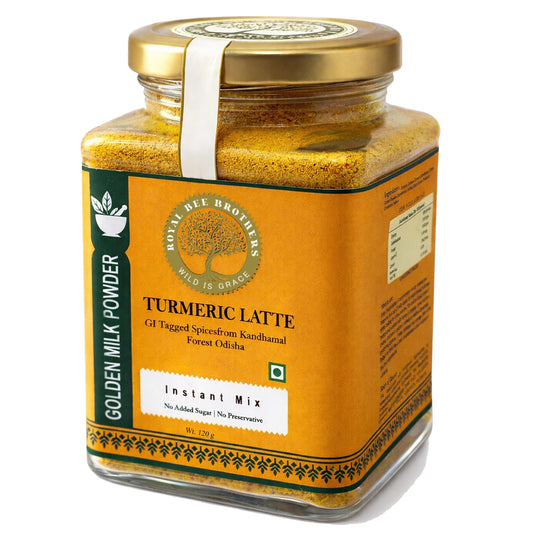
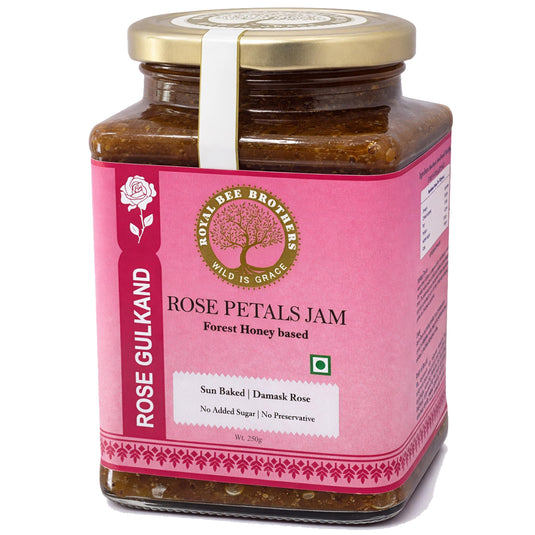

Heritage Forest Chronicles
Tales of the Forests
Step into India’s untouched wilderness where generations of traditional honey hunters move silently through ancient forests, harvesting wild forest honey with time-honored, sustainable methods. Each journey reflects resilience, heritage, and a profound harmony between humans and nature—preserving a craft that nature itself has perfected.
Step Into the Wild Forest World
Into The Wild
Behind every jar of natural honey lies a story of dedicated beekeepers, thriving forests, and generations of expertise. Experience pure, sustainably sourced honey and forest produce crafted with care and respect for nature.