Kandhamal Forest Honey: Tribal Honey Hunters & Honeyguide Birds of Odisha
In the dense forests of Kandhamal, Odisha, there exists an extraordinary tradition where birds guide tribal honey hunters through the jungle to locate wild forest honey. This ancient practice reflects a deep relationship between humans, wildlife, and nature that has survived for generations.

Table of Contents
- Forests of Kandhamal and Biodiversity
- Traditional Honey Collection in Odisha
- The Role of the Honeyguide Bird
- How Tribal Honey Hunters Harvest Honey
- Cultural Importance of Forest Honey
- Challenges & Conservation
- Frequently Asked Questions
Forests of Kandhamal and Their Rich Biodiversity
The forests of Kandhamal district in Odisha are rich in biodiversity and home to numerous species of trees, medicinal herbs, birds, insects, and wildlife. Sal, mahua, bamboo, tendu, and flowering forest plants create a thriving ecosystem that supports traditional tribal lifestyles and natural honey production.

These forests are also home to various bird species, including the remarkable Honeyguide bird that assists tribal honey hunters in locating wild honeycombs hidden deep inside the forest.
Traditional Honey Collection by Tribal Communities
The tribal communities of Kandhamal have practiced forest honey collection for centuries. Honey hunting is not simply an economic activity; it is deeply connected to their culture, spirituality, and survival.

During summer months, tribal honey hunters enter forests with traditional tools and deep ecological knowledge passed through generations. Their methods focus on sustainability and preserving the balance of nature.
The Role of the Honeyguide Bird
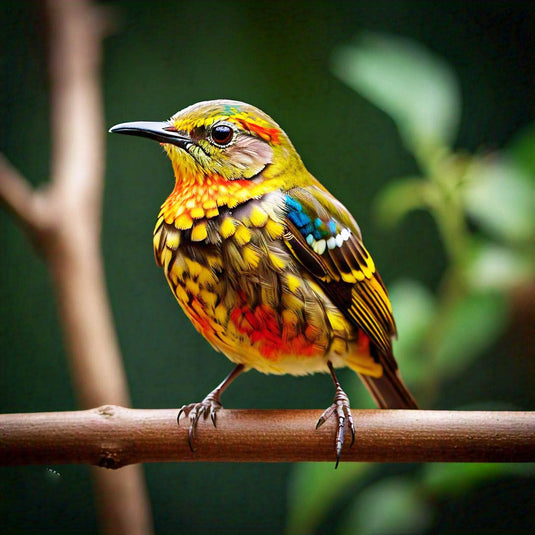
One of the most fascinating aspects of Kandhamal’s honey-hunting tradition is the role of the Honeyguide bird (Indicator indicator). This bird communicates with honey hunters through distinct calls and guides them toward hidden beehives.

The Honeyguide bird and tribal honey hunters share one of nature’s most extraordinary examples of cooperation between humans and wildlife.
The bird benefits by gaining access to wax and bee larvae after the hive is opened, while humans gain help locating honeycombs hidden within vast forest landscapes.
How Forest Honey Is Harvested
After locating the hive, honey hunters use traditional smoke methods made from dry wood and forest leaves to calm the bees temporarily.

The honeycomb is carefully cut without destroying the entire hive, allowing bees to rebuild naturally. This sustainable practice protects both bee populations and the forest ecosystem.
Explore More Natural Honey
Cultural & Medicinal Importance of Forest Honey
For tribal communities in Odisha, forest honey is considered sacred and medicinal. It is widely used during festivals, weddings, rituals, and traditional healing practices.
Forest honey is valued for:
- Natural energy support
- Traditional immunity benefits
- Antibacterial properties
- Digestive wellness
- Ayurvedic healing uses
Current Challenges and Conservation
Despite its cultural importance, the tradition of tribal honey collection faces serious challenges from deforestation, habitat destruction, pesticide use, and modernization.
Declining bee populations and forest degradation threaten both biodiversity and the livelihoods of tribal communities. However, local communities continue to preserve this ancient knowledge by teaching sustainable harvesting methods to younger generations.
Frequently Asked Questions
What is Kandhamal forest honey?
Kandhamal forest honey is wild honey collected naturally from forests in Odisha using traditional tribal harvesting methods.
What is a Honeyguide bird?
The Honeyguide bird is known for guiding humans toward wild beehives in exchange for access to wax and bee larvae.
Is forest honey natural?
Yes, forest honey is minimally processed and harvested directly from natural forest beehives.
Why is tribal honey special?
Tribal honey is harvested using traditional sustainable methods and reflects the biodiversity of untouched forest ecosystems.
Experience Pure Tribal Forest Honey
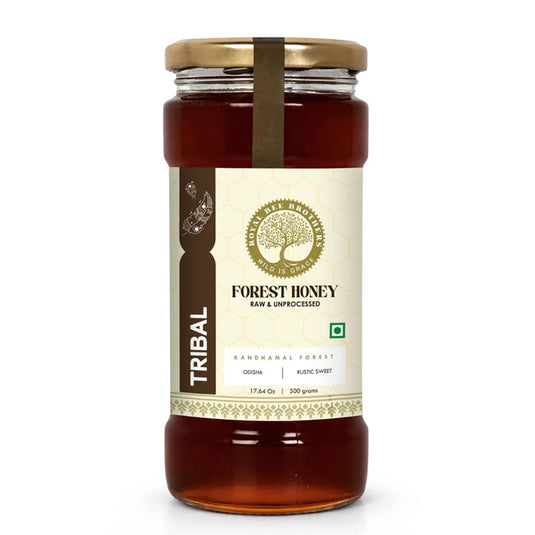
Explore 100% pure and natural forest honey harvested from the forests of Odisha using traditional tribal methods.
Shop Tribal Forest HoneyExplore Our Other Stories
From wild forests to ancient traditions, discover more untold journeys of nature, honey, and heritage.
Exploring India’s Wild Bounty
Stories of ancient wisdom, wild honey traditions, sacred forests, and nature’s timeless connection with humanity.
Mahwa: The Sacred Flower of Bastar
Mahwa symbolizes tribal culture, forest traditions, natural abundance, spirituality, and sustainable indigenous living.
Bastar’s Chapda Chutney
Bastar’s Chapda Chutney is a mysterious tribal delicacy, blending forest traditions, red ants, bold flavors, and ancient indigenous heritage.
The Honey Hunter of Katarniyaghat
Discover wild forest honey traditions, tribal honey hunters, jungle survival, natural heritage, and untamed wilderness stories.
Tales from Sundarban ! Part-1
Explore how mangroves protect coastlines and sustain rare biodiversity in tidal forests.
Tales from Sundarban ! Part-2
In Sundarbans folklore, Bengal tigers guard wild honey forests, where fearless honey hunters journey through dangerous mangroves for survival.
The Lush Forests of Kandhamal & Honeyguide
Mythical stories that define the spiritual balance between humans, birds, and forest.