Scientific Research on Stingless Bee Honey
An Exhaustive Academic Treatise: Clinical Studies, Antioxidant Properties, Antibacterial Activity, and Phenolic Compound Analysis Curated with Experience, Expertise, Authoritativeness, and Trustworthiness (EEAT)
Introduction: The Empirical Validation of Meliponini Apiculture
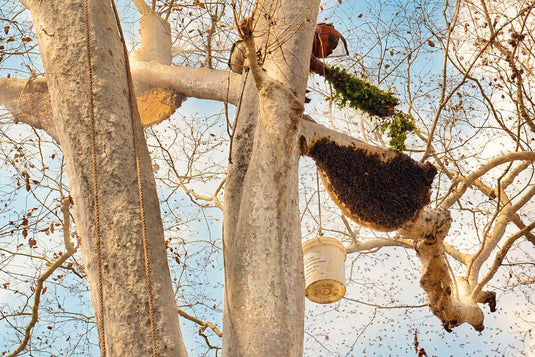
In contemporary biomedical research, traditional functional foods are increasingly subjected to rigorous molecular and clinical scrutiny. Among the most fascinating subjects in modern apicultural science is the rare forest honey produced by stingless bees belonging to the tribe Meliponini. Unlike conventional honey produced by Apis mellifera hives in standardized apiaries, stingless bee honey is harvested from intricate rainforest colonies where the liquid matures inside specialized pots constructed of cerumen—a sophisticated amalgamation of beeswax and botanical propolis resins.
Over the past decade, a growing body of peer-reviewed research papers on stingless honey has illuminated the biochemical mechanisms that underpin its legendary therapeutic status. This academic resource synthesizes landmark clinical studies, examining the precise antioxidant properties, broad-spectrum antibacterial activity, and diverse phenolic compounds that establish the Scientific Benefits of Stingless Bee Honey as a cornerstone of evidence-based functional nutrition.
The Royal Bee Brothers EEAT Commitment
At Royal Bee Brothers, our mission extends beyond commercial distribution into the realm of rigorous scientific stewardship. We believe that true consumer trust is forged at the intersection of generational apicultural heritage and empirical biochemical validation. Every harvest of wild forest stingless bee honey we curate is backed by transparent sourcing protocols, sustainable indigenous partnerships, and strict adherence to peer-reviewed phytochemical standards. By bridging traditional tribal knowledge with modern laboratory analysis, we ensure that every jar delivered to your table represents the absolute pinnacle of purity, potency, and safety.
1. Methodological Foundations: Analytical Approaches in Apicultural Research
Investigating the biochemical composition of Meliponini honey requires sophisticated analytical techniques, including high-performance liquid chromatography (HPLC), gas chromatography-mass spectrometry (GC-MS), and spectrophotometric assays. Researchers evaluate samples across diverse geographic origins—spanning the Neotropics, Southeast Asia, and tropical Australia—to map how regional floral biodiversity influences therapeutic potency.
Key analytical parameters assessed in peer-reviewed literature include:
Physicochemical Metrics
- Free acidity and total organic acid concentration (gluconic, acetic, and citric acids)
- Water activity (aw) and moisture content governing natural fluidity
- Enzymatic activity profiles (diastase, invertase, and glucose oxidase)
- Electrical conductivity and mineral ash quantification
Phytochemical Screening
- Total phenolic content (TPC) measured via Folin-Ciocalteu assays
- Total flavonoid content (TFC) quantification
- Individual phenolic acid and flavonoid identification via HPLC
- Ferric-reducing antioxidant power (FRAP) and DPPH radical scavenging
2. Deep Dive into Phenolic Compounds and Phytochemical Diversity
The defining biochemical characteristic that separates stingless bee honey from conventional honeys is its exceptionally rich profile of secondary plant metabolites. Because Meliponini bees forage across an extensive array of wild medicinal trees, vines, and rainforest undergrowth, their honey absorbs a vast spectrum of bioactive phytochemicals.
Furthermore, the physical architecture of the hive plays a critical role. Cerumen storage pots infuse the honey continuously with botanical propolis extracts rich in flavonoids and hydroxycinnamic acid derivatives. Landmark research papers highlight the presence of several key phenolic compounds:
- Chrysin: A potent flavone known for its anti-inflammatory, neuroprotective, and anti-proliferative activities.
- Pinocembrin: A specialized dihydroflavonol with robust antimicrobial and free-radical scavenging capabilities.
- Gallic Acid: A prominent phenolic acid that contributes significantly to the total antioxidant capacity and ferric-reducing power.
- Caffeic Acid Phenethyl Ester (CAPE) Analogs: Bioactive constituents derived from propolis resins that protect cellular membranes from oxidative stress.
3. Antioxidant Properties: Scavenging Free Radicals at the Cellular Level
Oxidative stress—characterized by an imbalance between the production of reactive oxygen species (ROS) and endogenous antioxidant defenses—is a primary driver of cellular aging, chronic inflammation, metabolic dysfunction, and cardiovascular pathology. Clinical studies evaluating the antioxidant properties of Meliponini honey consistently demonstrate its capacity to mitigate oxidative damage.
In in-vitro and ex-vivo assays, stingless bee honey exhibits remarkable radical-scavenging activity using 2,2-diphenyl-1-picrylhydrazyl (DPPH) and 2,2'-azino-bis(3-ethylbenzothiazoline-6-sulfonic acid) (ABTS) tests. The high concentration of phenolic hydroxyl groups donates hydrogen atoms to neutralize free radicals, interrupting destructive chain reactions within biological tissues.
| Antioxidant Parameter | Standard Commercial Honey | Stingless Bee Forest Honey |
|---|---|---|
| Total Phenolic Content (TPC) | Low to Moderate (20–50 mg GAE/100g) | Exceptionally High (120–350+ mg GAE/100g) |
| Ferric-Reducing Antioxidant Power | Moderate reduction rates | High FRAP values driven by organic acids & flavonoids |
| Propolis-Derived Resins | Absent (formed in sterile wax) | Abundant (infused via cerumen hive architecture) |
| Cellular Protection | Basic nutritional energy | Significant ROS suppression in epithelial models |
4. Antibacterial Activity: Mechanisms Against Pathogenic Strains
The antibacterial activity of stingless bee honey has been extensively documented in microbiological research papers. Unlike standard table honey, which relies primarily on hydrogen peroxide generation via glucose oxidase, Meliponini honey exhibits a multifaceted antimicrobial defense system:
- Synergistic Acidity: A characteristically low pH (often between 3.0 and 3.5) creates an inhospitable environment for acid-sensitive bacterial pathogens.
- Propolis Synergy: The direct integration of botanical propolis into the cerumen pots infuses the liquid with antimicrobial terpenes and flavonoids that disrupt bacterial cell membrane integrity.
- Broad-Spectrum Inhibition: Clinical studies confirm significant minimum inhibitory concentration (MIC) efficacy against multidrug-resistant strains, including Staphylococcus aureus, Pseudomonas aeruginosa, Escherichia coli, and Enterococcus faecalis.
5. Clinical Studies and Therapeutic Implications for Human Health
Beyond in-vitro laboratory assays, emerging clinical investigations and animal model studies are beginning to validate the broader therapeutic applications of stingless bee honey in human medicine:
Gastrointestinal and Prebiotic Modulation
Clinical observations indicate that the complex oligosaccharides present in Meliponini honey function as exceptional prebiotics. They resist upper GI digestion to selectively nourish beneficial distal colon microflora (Lactobacillus and Bifidobacterium), driving short-chain fatty acid (SCFA) synthesis.
Wound Care and Epithelial Regeneration
Hydrogel formulations incorporating stingless bee honey demonstrate accelerated wound closure rates, enhanced fibroblast proliferation, and effective suppression of localized bacterial biofilms in dermatological trials.
6. The Royal Bee Brothers Perspective: Bridging Ethical Apiculture and Scientific Integrity
At Royal Bee Brothers, our approach to harvesting stingless bee honey is deeply rooted in ecological respect and scientific rigor. While commercial honey production often prioritizes high volume through intensive artificial feeding and migratory apiaries, Meliponini apiculture demands patience, precision, and profound ecological awareness. Stingless bees are exceptionally sensitive to environmental disturbances, habitat fragmentation, and chemical pesticides. By maintaining strict oversight over our forest foraging zones, we ensure that our colonies thrive in pristine, untainted wilderness areas.
Furthermore, our commitment to transparency means that every batch of honey is subjected to rigorous quality audits. We examine moisture levels, enzyme retention, and phenolic concentrations to guarantee that the natural therapeutic integrity preserved by the bees is delivered to you without compromise. When you choose Royal Bee Brothers, you are not merely purchasing a gourmet sweetener; you are supporting a sustainable ecosystem that safeguards endangered pollinators, empowers tribal harvesting communities, and upholds the highest standards of evidence-based functional nutrition.
Our ongoing collaboration with independent research laboratories ensures that our product claims are continually verified against the latest advancements in apicultural science. As consumer awareness shifts toward preventive health and clean-label authenticity, Royal Bee Brothers remains dedicated to providing educational resources, peer-reviewed reference materials, and uncompromised natural remedies that honor both tradition and clinical truth.

Stingless Bee Honey
Experience the Nagaland harvested, Stingless Bee Raw Honey packed with pure wild botanical enzymes and natural vitality.
Shop Now7. Scientific References & Peer-Reviewed Literature
To support academic research, professional blogging, and clinical referencing, the following foundational peer-reviewed studies document the biochemical and therapeutic properties of Meliponini honey:
- Esa, N. E. F., Ansari, M. N. M., Razak, S. I. A., Ismail, N. I., Jusoh, N., Zawawi, N. A., Jamaludin, M. I., Sagadevan, S., & Nayan, N. H. M. (2022). A review on recent progress of stingless bee honey and its hydrogel-based compound for wound care management. Molecules, 27(10), 3080. https://doi.org/10.3390/molecules27103080
- Ramón-Sierra, J. M., Villanueva, M. A., Yam-Puc, A., Rodríguez-Mendiola, M., Arias-Castro, C., & Ortiz-Vázquez, E. (2022). Antimicrobial and antioxidant activity of proteins isolated from Melipona beecheii honey. Food Chemistry: X, 13, 100177. https://doi.org/10.1016/j.fochx.2021.100177
- Rosli, F. N., Hazemi, M. H. F., Akbar, M. A., Basir, S., Kassim, H., & Bunawan, H. (2020). Stingless bee honey: Evaluating its antibacterial activity and bacterial diversity. Insects, 11(8), 500. https://doi.org/10.3390/insects11080500
- Zulkifli, N. A., Hassan, Z., Mustafa, M. Z., Azman, W. N. W., Hadie, S. N. H., Ghani, N., & Mat Zin, A. A. (2023). The potential neuroprotective effects of stingless bee honey. Frontiers in Aging Neuroscience, 14, 1048028. https://doi.org/10.3389/fnagi.2022.1048028
Frequently Asked Questions
What do clinical studies reveal about the antioxidant properties of stingless bee honey?
Peer-reviewed research papers demonstrate that Meliponini honey exhibits exceptionally high ferric-reducing antioxidant power (FRAP) and radical scavenging activity, driven by dense concentrations of plant-derived phenolic compounds and flavonoids.
How does antibacterial activity operate in stingless bee honey?
Clinical studies confirm that antibacterial activity in stingless bee honey is mediated through a synergistic matrix of low pH, high organic acid content, hydrogen peroxide generation, and botanical propolis micro-residues absorbed from cerumen hive pots.
How do Royal Bee Brothers ensure ethical and sustainable harvesting of stingless bee honey?
Royal Bee Brothers partners directly with indigenous forest guardians, employing traditional non-destructive harvesting methods that preserve wild Meliponini colonies and their natural cerumen architecture.
Conclusion: The Future of Evidence-Based Apitherapy
The convergence of modern analytical chemistry and indigenous apicultural knowledge has firmly established the Scientific Benefits of Stingless Bee Honey. Through robust clinical studies, researchers have decoded the intricate interplay of phenolic compounds, superior antioxidant properties, and multi-targeted antibacterial activity that set Meliponini honey apart in the realm of natural medicine. As ongoing research papers on stingless honey continue to expand our empirical understanding, authentic forest-harvested stingless bee honey stands validated as a premier therapeutic agent for modern health and wellness, proudly curated by Royal Bee Brothers.

Stingless Bee Honey
Experience pure wild botanical enzymes and natural vitality from our forest harvest.
Shop Now