"
Unit price
per


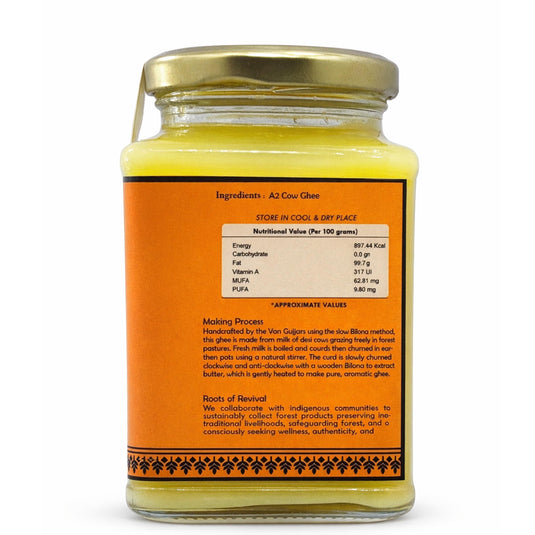
A2 Gir Cow Ghee | Churned through Bilona Method | Prepared from Curd
Rs. 1,750.00
Rs. 1,750.00
Rs. 1,850.00
Couldn't load pickup availability
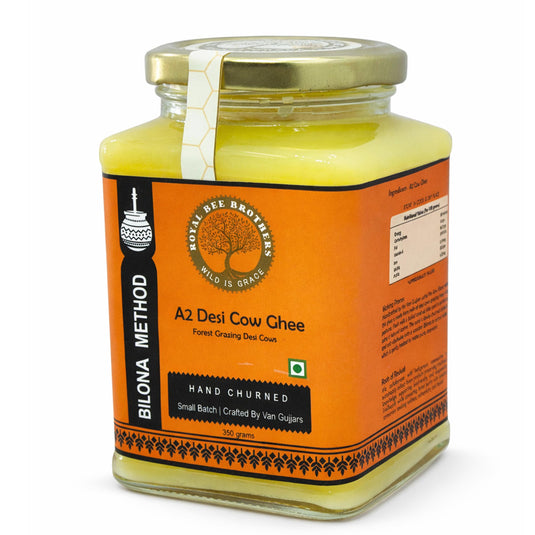
Prepared using Gir cows, known for producing rich A2 milk. Made through the traditional Bilona method from curd, the butter is hand-churned and slowly simmered to obtain aromatic golden ghee.
A2 Desi Cow Ghee is a premium, bilona-churned ghee made from curd, following the ancient Ayurvedic method that preserves its natural nutrients, aroma, and purity. Sourced from desi cows (Gir/Sahiwal), this ghee contains A2 protein, making it easier to digest and more beneficial for overall health.
Prepared using the traditional bilona process (curd → churned butter → slow-cooked ghee), it retains essential nutrients, healthy fats, and antioxidants that support immunity, digestion, and energy levels.
This ghee is 100% pure, natural, and free from chemicals, preservatives, or additives, ensuring you get authentic nutrition in every spoon. Its rich aroma, golden texture, and grainy consistency (danedar) make it ideal for everyday cooking, Ayurveda, and wellness use.
Use for cooking, tadka, roti, dal & rice
Add 1 tsp in warm milk or morning routine
Use in Ayurvedic diets & wellness practices
Apply for skin & hair nourishment (traditional use)
Ideal for puja & धार्मिक use
Overview
Premium A2 Gir Cow Bilona Ghee – Traditional Hand-Churned Ghee from Curd
Discover the traditional preparation of A2 Gir Cow Bilona Ghee from Royal Bee Brothers. The Bilona method involves converting milk into curd, churning the curd to separate makkhan (butter), and gently heating the butter to obtain ghee. This time-intensive process is valued for its traditional craftsmanship, distinctive aroma and rich flavour.
Learn how the process works in our detailed guide to the Bilona ghee making process, including curd preparation, traditional churning and the final heating stage.

What makes the Bilona method different?
Rather than separating cream first and processing it directly into ghee, the traditional Bilona process uses curd as the starting point for churning. The method involves additional preparation and labour. The exact ingredients, milk sourcing and production method should always be verified from the product's own sourcing and manufacturing information.
What Is Bilona Ghee?
Bilona ghee is ghee prepared using a traditional method in which milk is first cultured into curd. The curd is then churned to separate butter, which is heated to remove moisture and produce ghee. The term “Bilona” is associated with the traditional churning process.
Preparation details can differ between producers. For this reason, the name “Bilona” alone does not establish the breed of cow, the A2 status of the milk, the exact sourcing location or the purity of a finished product. These details are best assessed through clear product information and traceable production practices.
For a closer look at each stage, visit our main guide: Traditional Bilona Ghee Making Process of A2 Gir Cow Ghee.
Selection of A2 Gir Cow Milk
Milk is the starting ingredient in ghee, so its source and handling matter. Gir is an indigenous Indian cattle breed. A2 refers to a type of beta-casein protein associated with the milk, not a separate ghee-making process. Claims about breed and milk type should be supported by appropriate sourcing and verification.
Milk composition, animal diet, season and processing can influence the flavour and characteristics of dairy products. However, colour, aroma or texture alone cannot confirm a cow's breed or establish that a product contains only A2 milk.
What to Check When Buying Gir Cow Ghee
- Look for clear information about the milk source and production process.
- Check the ingredient declaration and manufacturer details.
- Look for credible traceability or testing information where relevant.
- Choose sellers who explain their sourcing and production practices clearly.
Read our detailed Gir Cow Ghee Quality Guide for more information on sourcing, labels and quality considerations.
Traditional Curd Preparation
In the traditional process, milk is heated as required, cooled to a suitable temperature and inoculated with a curd culture. It is then left to set. The resulting curd becomes the base for the churning stage.
The quality of the curd and the way it is handled can affect the butter obtained during churning and the flavour of the finished ghee. Hygiene, temperature control and careful handling are important throughout production.
Unlike a process that starts with separated cream, the traditional curd-based approach includes an additional fermentation and churning stage. For a step-by-step explanation, see the Bilona ghee preparation guide.
Hand Churning Using the Bilona Method
Once the curd is ready, it is churned to separate butter, often called makkhan, from the buttermilk. Traditional Bilona preparation may use a wooden churner or other traditional churning equipment, depending on the producer.
Churning requires time and attention. The technique, quantity of curd and temperature can affect the process. The butter is then collected for the next stage: heating and clarification.
Why the Churning Stage Matters
Churning is the defining step that separates the butter from the curd mixture. It is an important part of the traditional method, but the use of hand churning by itself does not prove that a ghee is pure, organic or nutritionally superior. Such claims require their own evidence.
Slow Heating and Natural Grain Formation
After separation, the butter is heated so that moisture evaporates and milk solids undergo changes that contribute to ghee's characteristic aroma and flavour. Heating time and temperature depend on the batch size, equipment and the maker's process.
The finished ghee may develop a granular or grain-like texture as it cools. Texture can vary with temperature, storage and the composition of the fat. Grain formation is not, on its own, a conclusive test of purity or proof that ghee was made by the Bilona method.
What Influences Aroma, Colour and Texture?
- Milk composition: The starting milk influences the composition of the butterfat and milk solids.
- Heating: Time and temperature affect the aroma and flavour of the finished ghee.
- Cooling: Cooling conditions can affect the texture and formation of grains.
- Storage: Temperature and handling can change the appearance and consistency over time.
How to Assess Ghee Quality
Choosing good-quality ghee involves more than checking its colour or smell. A useful assessment begins with the ingredient list, manufacturer information, sourcing transparency, packaging integrity and any credible quality documentation provided by the seller.
Home methods such as checking whether ghee melts, solidifies or forms grains cannot reliably establish purity or identify every possible adulterant. When certainty is important, appropriate laboratory testing is more informative than a single informal home test.
Explore our guide to how to identify pure cow ghee for practical advice on labels, product claims, testing and common misconceptions.
Bilona Ghee vs Regular Ghee
The main distinction between Bilona ghee and other ghee products is the preparation method. Traditional Bilona ghee is made by churning curd to obtain butter before heating it. Some commercial processes start with separated cream or butter and use different equipment and production steps.
Both traditional and industrial methods can produce ghee. The method alone does not establish that one product is always purer, safer or healthier than another. Ingredient quality, manufacturing controls, storage and reliable product information all matter.
Compare the processes in our detailed guide: Bilona Ghee vs Regular Ghee: Differences Explained.
Traditional Craftsmanship and Community
Traditional food-making knowledge is often passed between generations through practice and experience. Where the product is made by Van Gujjar communities in the Jim Corbett forest region of Uttarakhand, that story can help customers understand the people and skills behind its preparation.
Royal Bee Brothers presents this product in the context of traditional craftsmanship and dairy preparation. For accuracy and transparency, claims about the community involved, the place of production and the milk's breed or origin should match the product's actual sourcing and manufacturing records.
Is A2 Ghee Different from Regular Cow Ghee?
The term A2 refers to a variant of beta-casein protein in milk. Ghee is predominantly milk fat, and the protein composition of the original milk should not be confused with a proven health advantage of the finished ghee. A2 labelling, the Bilona process and the cow breed describe different aspects of a product.
For a balanced discussion of nutrition and the available evidence, read A2 Gir Cow Ghee: Benefits, Nutrition and Scientific Evidence.
Explore Our A2 Ghee Guides
Learn more about preparation, sourcing, cooking and quality with these related Royal Bee Brothers guides. Together, these resources help you understand the Bilona method and make a more informed choice.
1. Bilona Ghee Making Process
Follow the traditional process from milk and curd preparation to churning, butter separation and heating.
Read the Bilona process guide →2. How to Use A2 Ghee
Explore everyday uses for ghee in Indian cooking, including dal, roti, rice, khichdi and traditional recipes.
Read how to use A2 ghee →3. How to Identify Pure Cow Ghee
Learn how to assess labels, ingredients, manufacturer details and quality information—and understand the limits of home tests.
Read the ghee purity guide →4. Gir Cow Ghee Quality Guide
Understand sourcing, breed-related claims, traceability and the information worth checking before buying.
Read the Gir cow ghee guide →5. Bilona Ghee vs Regular Ghee
Compare traditional curd-churning and cream-based preparation methods, with a focus on process and product quality.
Explore the ghee comparison →6. A2 Gir Cow Ghee Benefits
Explore ghee's nutritional profile, everyday uses and the distinction between traditional beliefs and established scientific evidence.
Read the A2 ghee benefits guide →Frequently Asked Questions
What is the Bilona method of making ghee?
The Bilona method traditionally involves converting milk into curd, churning the curd to separate butter and heating that butter to produce ghee.
Is Bilona ghee always made from A2 milk?
No. Bilona describes a preparation method, while A2 refers to a beta-casein protein variant in milk. The product's milk source and A2 claim need to be verified separately.
Is Bilona ghee different from cream-based ghee?
The main difference is the starting material and process. Traditional Bilona preparation starts with curd that is churned to separate butter; some commercial processes begin with separated cream or butter.
Does a grainy texture prove that ghee is pure?
No. Texture can vary with cooling, temperature and fat composition. Appearance alone cannot conclusively establish purity or confirm the method used.
How can I check the quality of cow ghee?
Start with the ingredient declaration, manufacturer details, packaging, sourcing transparency and credible testing information where available. Informal home tests cannot reliably detect every form of adulteration.
Can A2 ghee be considered healthier than all regular ghee?
That conclusion is not established simply by the A2 label or the Bilona method. Ghee is calorie-dense and predominantly fat, so portion size and overall dietary pattern matter. Read our A2 Gir Cow Ghee benefits guide for a balanced overview.
How can I use A2 ghee in everyday cooking?
Ghee can be used in dishes such as dal, rice, roti, khichdi and many traditional recipes. For practical ideas, visit our guide to using A2 ghee.
Explore Royal Bee Brothers A2 Gir Cow Ghee
Discover the product details and explore the traditional preparation method, sourcing information and related guides before choosing the ghee that suits your kitchen.
Explore the Product →Please review the product label and current product-page information for ingredients, sourcing, storage and other specific details.
Shipping & Return
Royal Bee Brothers
Shipping & Returns Policy
Free Shipping
Orders > Rs. 399
Delivery Time
3–6 Business Days
Return Window
7 Working Days
1. Delivery Information
We partner with premier couriers to ensure your honey arrives safely. Deliveries occur weekdays (10 AM–5:30 PM). Please provide an accurate, manned address (office addresses are recommended if you are away during the day).
- Tracking: Real-time updates are available via the 'My Account' portal.
- Failed Attempts: Couriers will attempt delivery 1–2 times before returning to depot.
- Remote Areas: If your address is flagged as "remote," we may contact you regarding additional service fees.
2. Returns, Replacements & Glass Safety
We take pride in our packaging. However, if you receive damaged or incorrect items, please notify us within 24 hours of receipt.
⚠️ Glass Safety Notice: If a jar is shattered, please do not consume the contents. Handle broken glass with protective gloves and contact us immediately with photos for a free re-shipment or full refund.
Eligibility: Returns are accepted for items in original, unused condition with all tags intact. Refunds are processed to the original payment method within 7 working days of warehouse approval.
Liability Policy: Ownership transfers to the buyer upon tracking confirmation. Royal Bee Brothers is not liable for delivery delays caused by external events (weather, network outages, etc.). Conflicts between this policy and our Terms & Conditions are superseded by the latter.
Need Assistance?
Our team is here to help with tracking or return requests.
Step Into the Wild Forest World
Forest Picks You'll Love
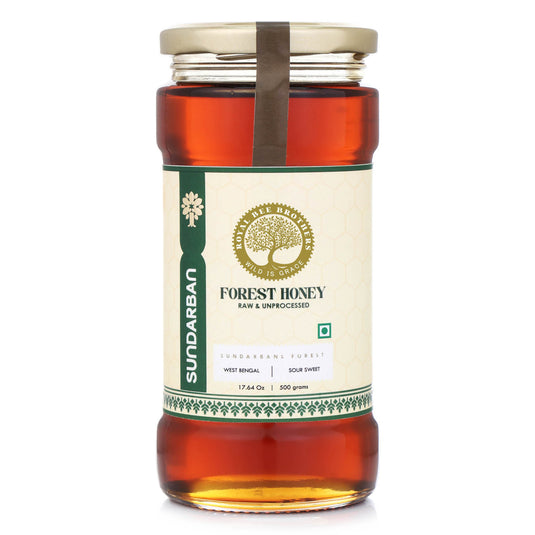
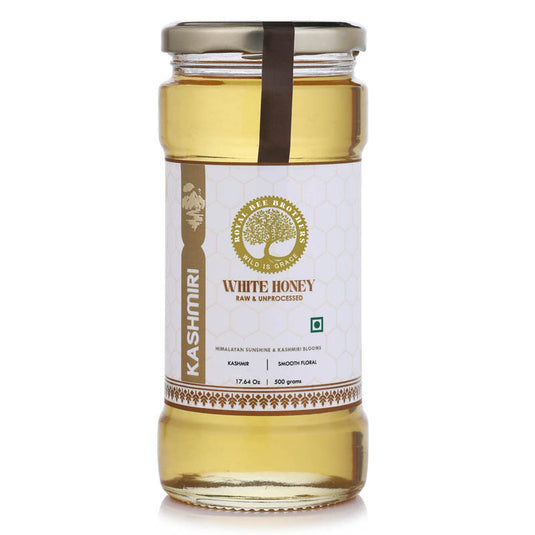
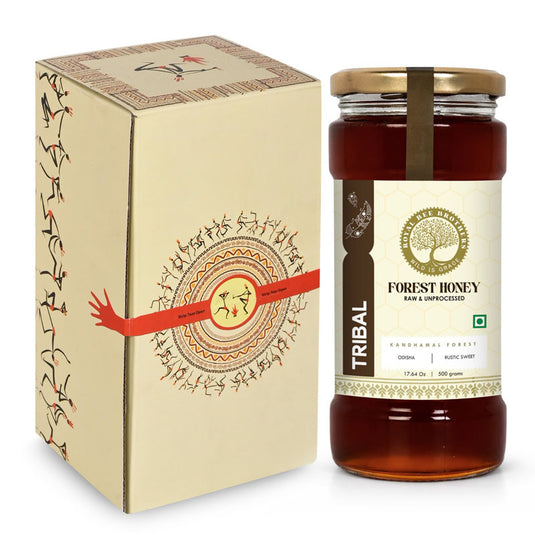
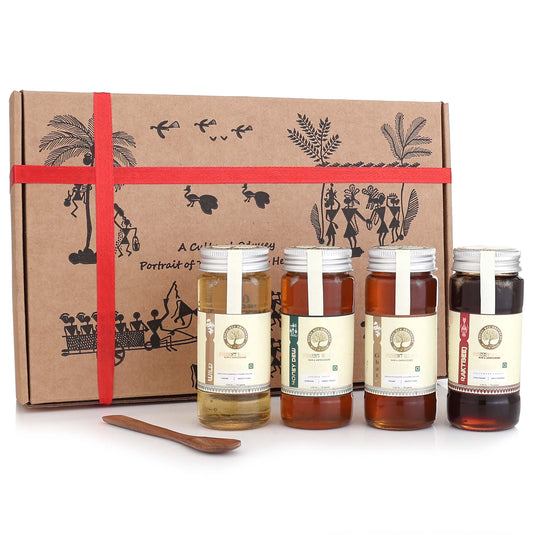
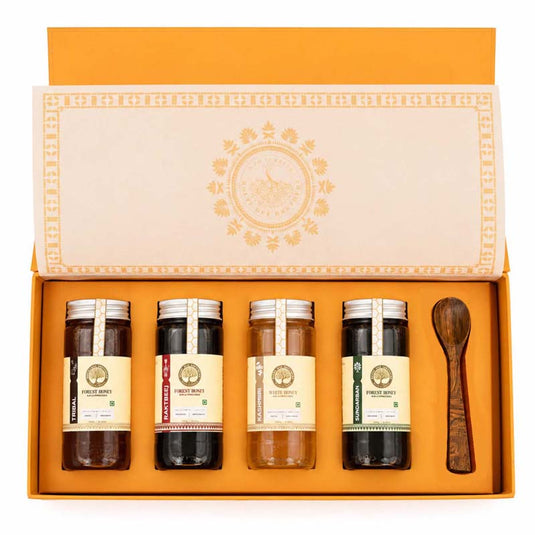
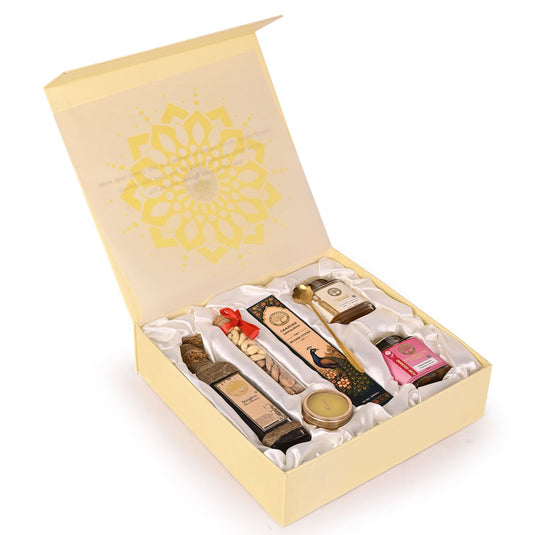
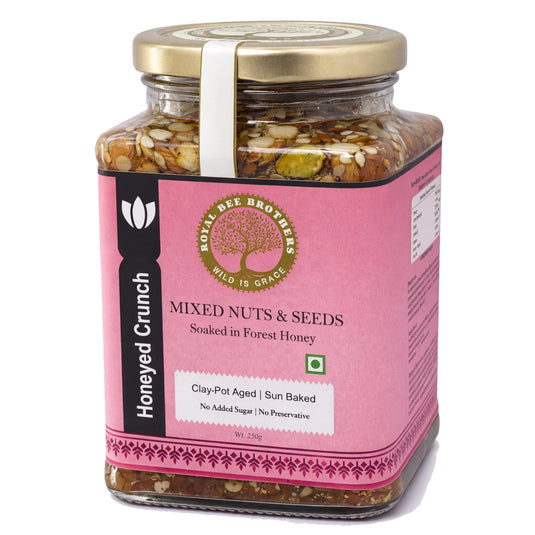
Behind every product lies a story of dedicated communities, thriving forests, and generations of traditional knowledge. Discover nature's finest treasures, thoughtfully sourced and carefully crafted with respect for people, forests, and sustainable practices.
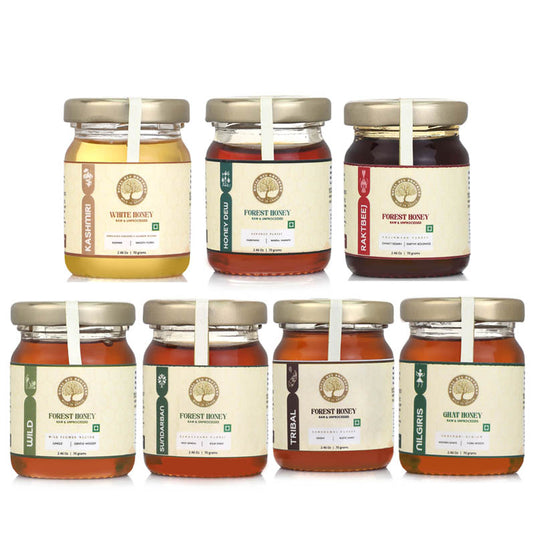

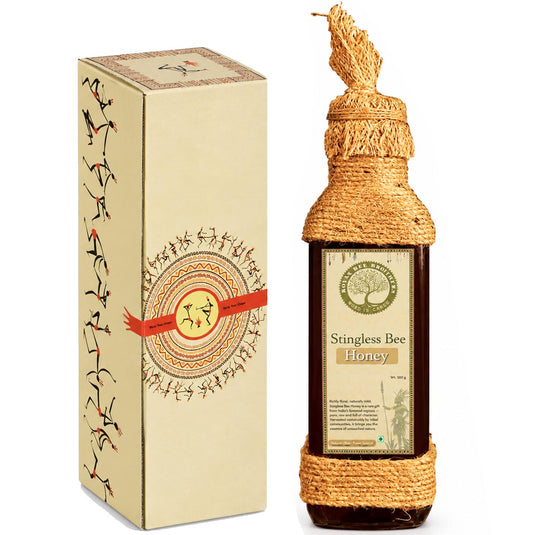
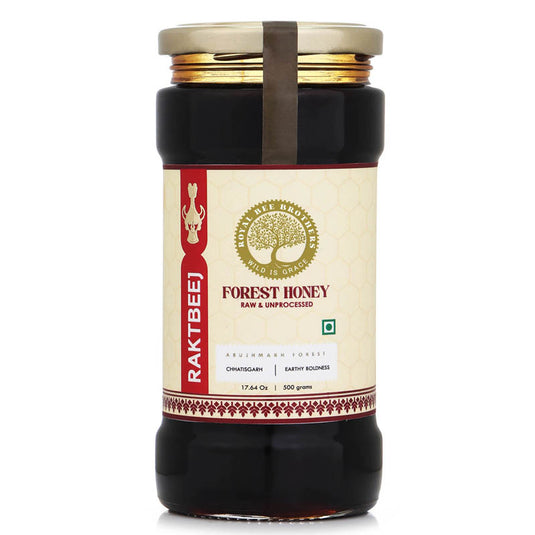




Heritage Forest Chronicles
Tales of the Forests
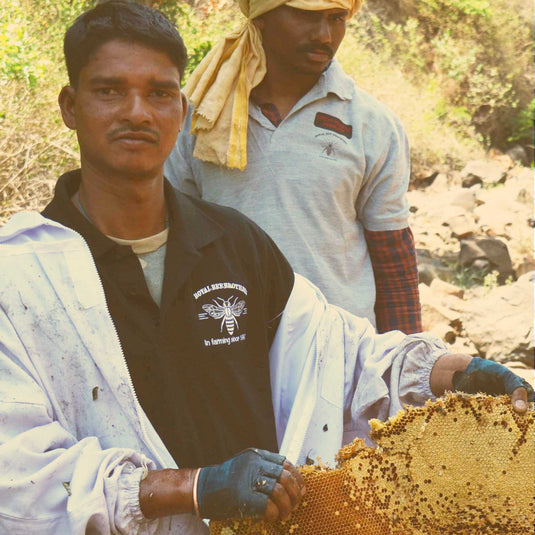
Step into India’s untouched wilderness where generations of traditional honey hunters move silently through ancient forests, harvesting wild forest honey with time-honored, sustainable methods. Each journey reflects resilience, heritage, and a profound harmony between humans and nature—preserving a craft that nature itself has perfected.
Step Into the Wild Forest World
Into The Wild
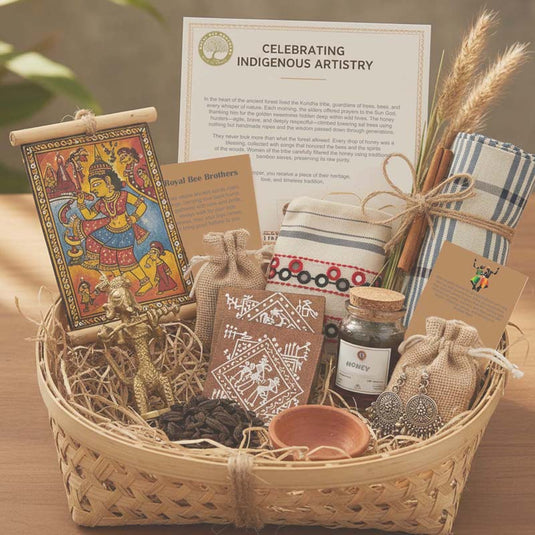
Behind every jar of natural honey lies a story of dedicated beekeepers, thriving forests, and generations of expertise. Experience pure, sustainably sourced honey and forest produce crafted with care and respect for nature.