Wild Forest Honey: Complete Guide to Benefits, Harvesting, Purity & Uses
In an era dominated by industrial synthesis, automated food production, and uniform supply chains, the word "purity" has been stripped of its weight. What we consume has become homogenized, standardized, and predictable. Yet, deep within the ancient, untamed forest canopies of the Indian subcontinent, an entirely independent, primordial food system continues to thrive-one governed not by factory parameters, but by the complex movements of wild ecosystems.
This is the realm of wild forest honey. Far removed from the predictable output of commercial, monoculture honey farms, authentic forest honey is a liquid record of an entire geographic space and time. It is a substance of extraordinary botanical complexity, shaped by hundreds of wildflower varieties, centuries-old tribal harvesting intelligence, and raw chemical dynamics that modern machinery simply cannot duplicate.
This master document serves as an exhaustive baseline for individuals seeking absolute clarity. It is designed to strip away the marketing hyperbole of the modern food industry, analyze the chemical reality of true wild honey, explore the distinct geographic terroirs of India, and arm you with the diagnostic tools necessary to distinguish authentic forest treasures from industrial syrup.

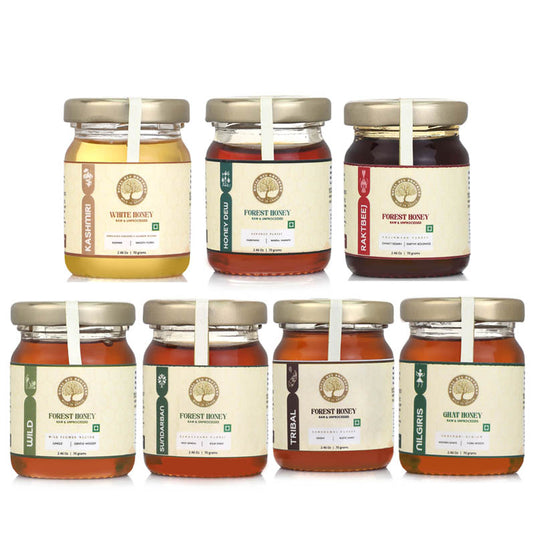
Pure Forest Honey, Directly from the Wild
Sourced ethically from India's protected biosphere reserves. No heat, no processing, and absolutely zero compromises on biological activity.
Shop Authentic Wild Forest Honey →Understanding India's Wild Forest Honey from Forest to Jar
- 1. Wild Forest Honey Benefits
- 2. How Wild Forest Honey Is Harvested
- 3. Forest Honey vs Raw Honey
- 4. Forest Honey vs Commercial Honey
- 5. Why Forest Honey Crystallizes
- 6. Nutritional Profile of Forest Honey
- 7. Forest Honey Uses and Remedies
- 8. How to Identify Pure Forest Honey
- 9. Forest Honey from Odisha
- 10. Forest Honey from Nagaland
- 11. Forest Honey from Sundarbans
- 12. Forest Honey Side Effects & Pricing Truths
- 13. Frequently Asked Questions

Wild Forest Honey Benefits
The therapeutic legacy of wild honey is not merely a matter of traditional belief; it is a scientifically documented biochemical reality. Because wild bees forage across deep, uncultivated woodland ecosystems, the nectar they collect is infused with secondary metabolites from a diverse array of wild medicinal plants. This complex botanical origin translates into a wide array of wellness advantages, collectively referred to by researchers as wild honey benefits.
Powerful Support for Metabolic Immunity
One of the primary benefits of this pure forest nectar is its role as a natural booster, frequently utilized as a forest honey for immunity. The biological pathways of this process are highly complex. Wild forest honey contains exceptional concentrations of polyphenols and flavonoids-such as pinocembrin, chrysin, and galangin-which act as potent antioxidant agents. NCBI Scientific research indexed by the National Center for Biotechnology Information (NCBI) confirms that these compounds modulate immune system responses, directly stimulating the production of antibodies and increasing the activity of macrophages and T-lymphocytes. This makes wild forest honey a highly effective, natural defensive resource for the body.

The Definitive Natural Solution for Respiratory Relief
For centuries, traditional healing systems have used wild forest honey to soothe respiratory distress, and modern pharmacology now validates this usage. When utilized specifically as a forest honey for cough, it acts through both mechanical and chemical processes:
- Demulcent Action: The high density and viscosity of raw forest honey coats the delicate mucous membranes of the pharynx, forming a soothing physical protective layer that relieves irritation and reduces the cough reflex.
- Antimicrobial Activity: Thanks to the slow, continuous release of micro-levels of hydrogen peroxide generated by the enzyme glucose oxidase, raw honey inhibits the growth of common respiratory pathogens like Streptococcus pneumoniae and Haemophilus influenzae.
Comparative clinical trials have shown that a single dose of high-quality wild honey is often more effective at reducing nighttime cough severity and improving sleep quality in children over one year of age than standard, over-the-counter cough suppressants like dextromethorphan.
How Wild Forest Honey Is Harvested

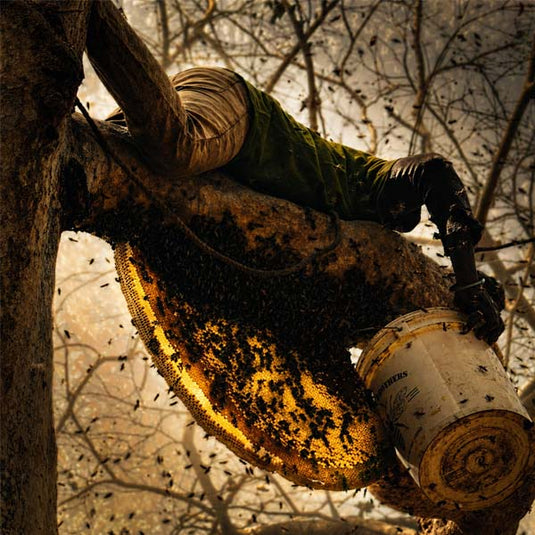
The extraction of deep-forest honey is not a mechanized industrial process; it is a sacred, high-stakes human endeavor that relies on centuries-old ancestral intelligence. In India, wild rock honey is harvested exclusively from the nests of Apis dorsata (the Giant Indian Rock Bee), a species that constructs massive, single-comb hives on exposed cliffs, rocky overhangs, and the branches of towering canopy trees deep within protected wilderness zones.
The Sustainable Sourcing Framework
For generations, indigenous forest gatherers have maintained a deep, protective relationship with these wild bees, utilizing non-destructive, traditional methods that are fully aligned with the sustainable forestry guidelines set by the Food and Agriculture Organization FAO. These ancient harvesting sequences are executed with absolute precision:
- Natural Smoke Calming: Rather than using chemical repellents or burning down entire hives with open flames-which slaughters the bee colony and taints the honey with toxic soot-traditional harvesters burn small, smoldering bundles of forest leaves and dry grass. This generates a cool, aromatic smoke that gently pushes the bees away from the honey-containing sections.
- The Structural Slice: A wild comb is organized with perfect biological layout. The top section contains the honey reserves, while the bottom section contains the delicate egg brood. Wise tribal harvester cleanly slice away only the upper, honey-filled section, leaving the main comb and the entire brood section completely untouched.
- Ecosystem Balance: Because the reproductive core of the hive remains fully intact, the wild bee colony recovers rapidly, repairs the honey cells, and continues to thrive within its native ecosystem, preserving the natural forest lifecycle.
These traditional methods are actively supported by the Indian Council of Agricultural Research ICAR, which works to train forest-dwelling communities in sustainable extraction practices that prevent forest fires and preserve wild bee populations across the subcontinent.

Forest Honey vs Raw Honey
While the terms "raw honey" and "forest honey" are frequently used interchangeably by marketers, they represent two distinctly separate concepts within food regulatory standards and ecological science. Understanding this difference is essential for verifying the quality and purity of your honey.
Defining the Terms
According to the National Bee Board India National Bee Board, raw honey is defined purely by its physical state post-harvest. It is honey that has not been subjected to high-temperature pasteurization, ultra-filtration, or chemical alteration. Raw honey can be harvested from any apiary box situated in any location-including commercial farms, mustard fields, or suburban gardens. It is "raw," but its botanical source is still restricted to whatever monoculture crops are near the farm boxes.
Forest honey, on the other hand, is defined by its pristine origin. It is harvested exclusively from uncultivated, wild forest ecosystems. By its very nature, authentic forest honey is always raw, but it possesses a far superior chemical and botanical complexity than farm-harvested raw honey. While standard raw honey is typically monofloral (derived from a single crop), forest honey is inherently polyfloral and multifloral, containing trace elements, secondary metabolites, and wild pollens from hundreds of natural forest species that have never encountered chemical pesticides or agricultural fertilizers.
Forest Honey vs Commercial Honey

The contrast between true, wild forest honey and standard commercial honey represents a complete clash of food philosophies. On one side sits a live, biologically active nectar shaped by the natural movements of forest ecosystems; on the other sits a dead, highly processed sugar fluid optimized solely for factory bottling lines and long-term supermarket storage.
The Damage of Industrial Processing
To maintain a uniform look and keep honey permanently liquid, massive commercial brands subject their honey to extreme processing treatments:
- High-Heat Pasteurization: The honey is blasted with temperatures ranging between 70°C and 80°C. This extreme heat permanently denatures the delicate living enzymes, neutralizes vital antioxidant compounds, and cooks out the volatile aromatic notes, turning a healing food into a simple, high-calorie sugar solution.
- Ultra-Filtration under Pressure: The heated fluid is forced under high pressure through extremely fine micro-filters. This process strips out every single grain of natural wild pollen, propolis, and beneficial micro-minerals. Big brands remove pollen specifically to prevent crystallization and hide the honey's geographic origin, making it impossible for food safety labs to track where the bees originally foraged.
- Syrup Adulteration: Commercial honeys are frequently stretched or thinned with industrially manufactured, cheap liquid sweeteners-such as corn syrup, rice syrup, and cane syrup-which can be difficult to detect using basic density testing.
Authentic forest honey remains completely raw and unheated. It is simply extracted from the comb, strained gently through a clean cloth to remove large debris, and poured straight into glass jars, preserving its natural therapeutic properties, individual regional character, and rich, authentic taste.

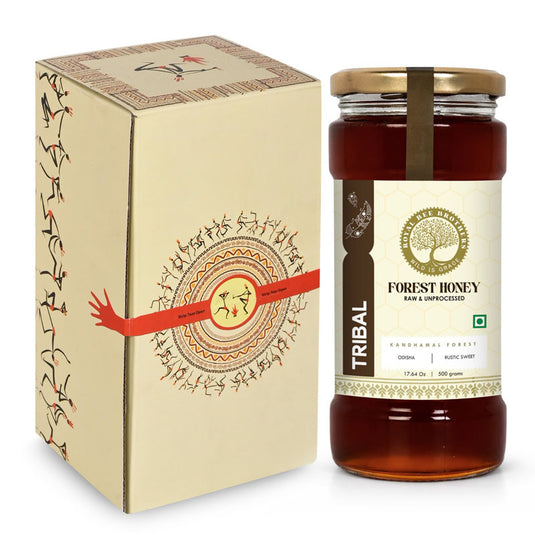
Taste the Forest. Explore Our Tribal Harvest Collection
Pure, raw forest honey ethically harvested by indigenous tribal communities. Every jar reflects India's rich forest biodiversity, untouched by heat or processing.
Explore Tribal Harvest Collection →Why Forest Honey Crystallizes
It is time to directly correct one of the most widespread, damaging pieces of misinformation in the modern food market: the belief that crystallized honey is a sign of adulteration, sugar-feeding, or spoilage.
The exact opposite is true. Crystallization is the ultimate, definitive stamp of 100% raw, unheated, authentic honey. If your honey remains permanently clear, fluid, and uniform for years on a shelf without ever forming a single grain, it has been heavily processed, altered, or compromised.
The Physics of Super-Saturated Solutions
Chemically, raw honey is a naturally super-saturated solution containing two primary simple sugars: glucose and fructose. Glucose possesses a naturally lower solubility level than fructose; therefore, it naturally seeks to separate from the water content, binding onto micro-particles inside the jar and forming clean, solid crystals.
In 100% raw forest honey, this natural process is accelerated by the presence of microscopic organic elements. Because the honey is never subjected to industrial ultra-filtration, it retains its natural, beneficial suspension of wild pollen grains, propolis particles, and micro-traces of pure beeswax. Each of these tiny components acts as a natural seed or "nucleation site," providing a surface for glucose crystals to grow upon.

Nutritional Profile of Forest Honey
The nutritional composition of wild honey is a complex matrix of essential macronutrients, active enzymes, and bioavailable micro-minerals. While commercial sugars provide empty, inflammatory calories, the unique chemistry of forest honey nutrition offers a highly functional dietary resource that supports natural metabolic health.
Comparative Nutritional Analysis
The following table details the typical structural and mineral composition of raw forest honey per 100g, highlighting its rich, multi-faceted nutrient density. FAO
| Nutritional Component | Standard Value (per 100g) | Metabolic Function / Health Role |
|---|---|---|
| Carbohydrates | 82.4 g | Natural, bioavailable simple sugars (Fructose and Glucose) providing clean, sustained energy. |
| Water Content | 17.2 g | Natural moisture level, strictly below the 20% limit set by FAO standards to prevent fermentation. |
| Active Enzymes | High levels (Diastase, Invertase) | Live enzymes that facilitate clean, efficient digestion and support biological activity. |
| Potassium | 52.0 mg | Vital electrolyte that supports heart health, blood pressure, and optimal muscle function. |
| Calcium & Magnesium | 6.0 mg / 2.0 mg | Essential bone-building blocks that also support nerve transmission and cellular energy. |
| Vitamin C & B-Complex | 0.5 mg - 6.0 mg | Trace vitamins that boost immune function and support natural cellular energy production. |
This mineral-rich profile is sourced directly from pristine, deep-rooted forest soils, offering a highly bioavailable network of trace minerals that supports optimal metabolic performance and cellular health.
Forest Honey Uses and Remedies
The biological versatility of raw forest honey makes it an indispensable addition to any modern wellness collection. Far beyond a simple culinary sweetener, the list of forest honey uses spans clinical, dermatological, and home remedy applications that have been trusted for centuries.
Exceptional Topical Wound Care and Healing
One of the most clinically validated uses of raw forest honey is in topical wound management. NCBI Research indexed by the National Center for Biotechnology Information (NCBI) confirms that raw forest honey acts as an exceptionally effective, natural antibacterial dressing when applied directly to minor cuts, burns, and abrasions. The mechanical actions are dual fold:
- The Osmotic Draw: Due to its high sugar density and low moisture content, raw honey exerts an osmotic pressure that draws fluid out of the wound bed, dehydrating and neutralizing bacterial cells.
- Tissue Regeneration: The natural acidity of forest honey (typically ranging between pH 3.5 and 4.5) helps oxygenate the wound tissues, promoting rapid, clean healing and reducing scar formation.
Nourishing Natural Skincare
Raw wild honey is also a highly effective ingredient in clean skincare routines. It acts as a natural humectant, pulling moisture from the air deep into the skin's layers to maintain long-lasting, deep hydration. Additionally, its natural enzymes and gentle organic acids help clear dead skin cells, soothing acne-prone skin and restoring a clean, balanced, and radiant complexion.

How to Identify Pure Forest Honey
As industrial adulteration techniques grow increasingly complex, consumers can no longer rely on simple visual checks or attractive labels. Major industrial syrup manufacturers have developed specialized, clear C3 and C4 sugar syrups derived from corn, rice, and cane, designed specifically to bypass basic regulatory checks. However, while these industrial syrups can easily trick standard liquid density meters, they cannot mimic the unique physical, structural, and chemical behaviors of authentic raw honey.
You can execute these four precise diagnostic evaluations right at home to determine the absolute integrity of your honey.
1. The Surface Tension and Water Dispersion Evaluation
Authentic forest honey possesses high natural density and exceptional cohesive physical properties.
The Diagnostic Step: Fill a clear glass with clean, room-temperature water. Pour a single, steady teaspoon of honey directly into the water from a height of a few inches.
The True Result: Authentic raw honey will maintain its tight structural column as it falls. It will sink directly to the very bottom of the glass, forming a solid, undisturbed pool without dissolving or clouding the water.
The Adulterated Sign: Adulterated or high-sugar syrups possess a weak internal structure; they will immediately break apart, dispersing into the water column and clouding the glass on their way down.
2. The Flame Cohesion and Moisture Check
Commercial syrups are often stretched with added water or cheap liquid sugars to artificially increase volume, raising the overall moisture level well above safe standards.
The Diagnostic Step: Take a clean, dry wooden matchstick. Dip the combustible cotton or sulfur head directly into the honey jar until it is fully coated. Wipe off any heavy excess, then strike the match firmly against the matchbox.
The True Result: If the honey is genuinely raw and free from added water, the match will ignite cleanly on the very first strike. The honey will smoothly caramelize and burn right along with the flame, as its natural oils and sugars support combustion.
The Adulterated Sign: If the honey contains added water or artificial thinners, the match head will absorb that hidden moisture. The matchstick will either completely fail to strike, or it will produce sputtering, cracking noises instead of a clean, steady flame.
3. The Absorbency Blotter Evaluation
This test measures the structural purity of honey against porous surfaces.
The Diagnostic Step: Place a clean sheet of dry, white blotting paper or standard high-absorbency paper towel on a flat surface. Drop a single, clear bead of honey directly onto the center of the paper.
The True Result: Authentic raw forest honey will hold its shape perfectly, sitting on top of the paper like a rounded, solid bead. It will not soak through or create a damp, wet ring around its perimeter, even after several minutes.
The Adulterated Sign: Honey diluted with sugar syrups or water will rapidly release its moisture into the paper fibers. Within moments, the drop will flatten, leaving a wide, wet, saturated ring visible on the underside of the paper.
4. The Memory Structure (Hexagonal Wave) Diagnostic
This is an incredible test that reveals the structural memory of authentic honey.
The Diagnostic Step: Place one tablespoon of honey into a shallow ceramic bowl or wide porcelain saucer. Pour a thin layer of cold, clean water directly over the honey. Hold the bowl firmly with both hands and swirl it in a steady, circular motion for 30 to 60 seconds.
The True Result: As the cold water moves across the dense honey layer, the honey will naturally rearrange its surface into a sharp, undeniable hexagonal pattern resembling a classic beehive comb. This occurs because the natural proteins and resins in raw honey retain the structural memory of the comb cells.
The Adulterated Sign: Adulterated syrups do not possess this natural structural blueprint; they will simply dissolve randomly into the shifting water, forming chaotic streaks with no defined geometric shape.
Forest Honey from Odisha
The state of Odisha houses some of India's most rugged and biologically rich forest ecosystems. Prominently centered around the Similipal Biosphere Reserve-a vast, protected sanctuary of over 5,000 square kilometers-this region yields an exceptional variety of wild forest honey that is highly prized for its unique medicinal character.
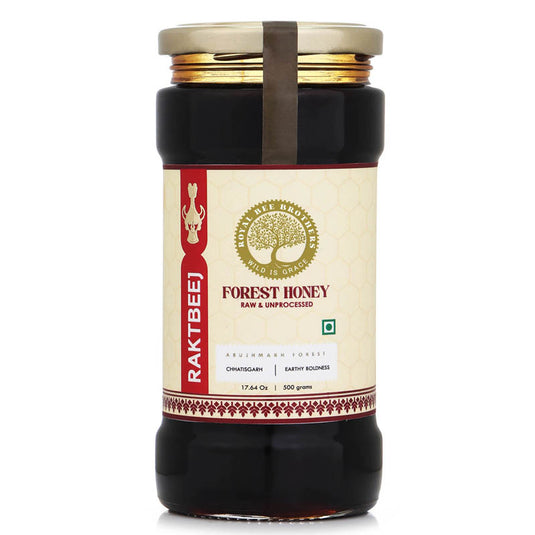
Scientific studies conducted by the Indian Council of Agricultural Research ICAR show that Odisha Forest honey contains high levels of rare trace minerals due to the iron-rich red loam soils of the Similipal hills. Collected by indigenous tribal gatherers from massive nests built high on the branches of majestic Sal and Arjun trees, this honey carries a distinctive, bold herbal profile. It presents a deep, reddish-amber color with complex, warm undertones of dry wood bark and forest berries, serving as a powerful natural resource in traditional wellness formulations.

Forest Honey from Nagaland
The Keepers of the Whispering Pots: A Story from the Hills of Nagaland
In the misty ridges of Kohima district, traditional Angami honey gathers hang hollowed, seasoned logs-known locally as "whispering pots"-high up in the ancestral Alder trees. The wild bees are drawn to these structures by the natural fragrance of cured wood and wild beeswax. Each season, as high-mountain wildflowers bloom across the valleys, these pots whisper with the gentle drone of a thousand wild wings, generating a bright, floral mountain honey that represents the delicate, pristine soul of Nagaland.
Northeast India remains one of the world's absolute gold standards for untouched ecological purity, and the mountainous state of Nagaland is its crown jewel. Nagaland forest honey is harvested from remote, high-altitude mountain forests that are virtually untouched by modern agricultural pollution or heavy industry.

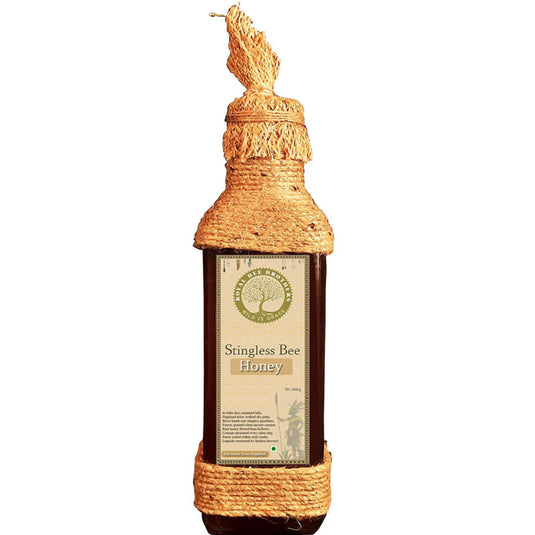
Discover the Rare Stingless Bee Honey
Experience the distinctive taste of rare stingless bee honey, naturally harvested from the forests of India and brought to you by Royal Bee Brothers.
Shop NowIn this unique geographical setting, wild bees forage on rare mountain wildflowers and wild orchids. Nagaland honey is characterized by its bright, light golden color and remarkably clean, delicate taste profile. It delivers crisp, subtle citrus notes, soft floral layers, and a highly refreshing finish. Because the region is rich in medicinal flora, Nagaland honey carries an exceptionally high concentration of native forest pollens, making it highly sought-after by purists and culinary connoisseurs who value exquisite regional character.
Forest Honey from Sundarbans
The Sundarbans, the world's largest contiguous mangrove forest, presents one of the most hostile, biologically unique, and fascinating environments for wild honey collection. This massive, tidal delta spanning the coast of West Bengal is home to a distinctive variety of wild forest honey that is completely different from any other in the world.
Collected by traditional Mouli gatherers who brave extreme physical dangers to search the dense mangrove thickets, Sundarbans forest honey is sourced primarily from the yellow flowers of the Khalisha mangrove tree. According to tracking data from the National Bee Board India National Bee Board, this honey possesses a naturally higher moisture content and a lighter, highly fluid texture. It presents a beautiful, luminous pale-amber color, carrying a unique, savory-sweet flavor profile with a clean, distinct hint of sea salt and rich, warm mineral layers. It is highly valued for its exceptional bioactivity and helping soothe digestion.

Forest Honey Side Effects & Pricing Truths
While raw wild forest honey is an incredibly nutritious, healing superfood, it is a highly active biological substance that must be consumed with conscious awareness. Understanding the parameters of safe consumption and the market realities of pricing is key to integrating forest honey into a healthy, balanced lifestyle.
Essential Health Precautions and Side Effects
When incorporating raw forest honey into your family's daily wellness routines, keep these critical safety guidelines in mind:
- Infant Botulism Risk (Under 1 Year): Raw forest honey must never be fed to infants under 12 months of age. Because it remains completely unpasteurized, raw honey can carry natural spores of the bacterium Clostridium botulinum. An infant's immature digestive system cannot safely process these spores, posing a serious risk of infant botulism. For children over one year and adults, however, raw honey is completely safe and supportive, functioning as a primary resource for forest honey side effects control.
- Pollen Allergy Sensitivity: Because authentic forest honey is never subjected to ultra-filtration, it retains its natural, beneficial suspension of wild tree and flower pollens. While this pollen is highly beneficial for most people, individuals with severe, documented pollen allergies should consume raw honey with caution, as it can occasionally trigger mild allergic reactions.
- Avoid Extreme Heating: Never mix raw honey into boiling hot water or cook with it at high temperatures. High heat destroys the delicate live enzymes and active compounds, rendering the honey inert. For best results, mix honey into warm liquids that are comfortable to the touch.
Understanding the Price of Authentic Forest Honey
When exploring the market, consumers often ask about the variance in forest honey price. True, wild-harvested forest honey will always command a premium price compared to cheap, mass-produced commercial honeys. This price reflects the high costs, intensive physical labor, and strict quality controls required to bring a pure forest product safely to your table:
- The Danger and Skill of Sourcing: Gathering wild rock honey from cliffs and ancient canopy trees requires specialized skills and carries high physical risks for traditional tribal gatherers. We believe in compensating these master foragers with fair, sustainable wages that directly support and preserve their livelihoods.
- Strict Purity Testing: Every single batch of our wild honey undergoes rigorous laboratory testing to verify it is 100% raw, unheated, and completely free from added corn, rice, or C3/C4 sugar syrups. This continuous, detailed testing ensures you receive absolute purity, free from chemical compromises.
- Eco-Friendly, Non-Plastic Packaging: We package our premium honeys strictly in heavy, reusable glass jars and unlaminated, recycled craft paperboard boxes, protecting both the product's quality and our shared environment.

Frequently Asked Questions
Get immediate, technically precise answers to the most common queries regarding wild forest honey sourcing, physical properties, health mechanics, and testing practices.
What is wild forest honey?
Wild forest honey is a 100% raw, unheated, and unfiltered polyfloral honey harvested directly from pristine, uncultivated forest reserves. Unlike farm honey, which is harvested from artificial wooden bee boxes, wild forest honey is sourced from the massive natural combs built by the Giant Indian Rock Bee (Apis dorsata) in tree canopies and cliff hollows.
Is forest honey better than regular honey?
Yes, wild forest honey is structurally and nutritionally superior to regular commercial honey. Regular honeys are typically pasteurized and micro-filtered, processes that destroy living enzymes and strip out healthy pollens. Furthermore, regular commercial honey is frequently derived from monoculture crop farms and diluted with chemical sugar syrups, whereas forest honey contains secondary medicinal plant metabolites, organic trace minerals, and has never been artificially processed.
Does forest honey crystallize?
Yes, natural crystallization is the absolute signature of 100% pure, unheated, and raw forest honey. Because it remains unfiltered and retains micro-particles of natural pollen and propolis, these components act as natural nucleation sites, causing the glucose in the honey to naturally separate from water and form solid crystals over time, especially during cool seasons.
Can diabetics eat forest honey?
While raw forest honey contains beneficial trace minerals and has a slightly lower glycemic index compared to industrial white sugar, it is still comprised of simple sugars (fructose and glucose). Diabetics must monitor their glucose levels closely and consult their medical provider before integrating raw forest honey into their diet, ensuring it is consumed only in limited, calculated amounts.
What is the price of forest honey?
Authentic forest honey commands a premium price due to the high physical risk and extreme labor required by tribal communities to climb and harvest nests in the wild, the ethical fair-trade wages paid directly to these traditional gatherers, and the costly laboratory verification testing required to guarantee a 100% raw, syrup-free product.
How do I test pure forest honey?
You can execute several reliable tests right at home: 1) The Water Dispersion Test: a teaspoon of pure honey will settle cleanly at the bottom of a glass of water without dispersing; 2) The Matchstick Flame Check: a match head coated in raw honey strikes and burns steadily; 3) The Absorbency Blotter Check: drop honey on blotting paper-pure honey will sit as a thick, rounded bead without spreading or dampening the sheet; 4) The Hexagonal Memory Test: swirling honey with cool water in a shallow saucer naturally forms a cellular honeycomb pattern.
Is forest honey safe for children?
Raw, unheated forest honey is safe and highly supportive of wellness for children over 12 months of age. However, it must never be fed to infants under 1 year. Raw honey naturally contains trace spores of Clostridium botulinum. While an adult or older child's mature digestive tract easily processes these, an infant's immature gut system cannot, making them susceptible to infant botulism.
Which state produces the best forest honey?
India features spectacular, distinct geobotanical zones. Odisha's iron-rich red soils in the Similipal Biosphere Reserve yield robust, dark, mineral-heavy honey; Nagaland's remote high-altitude mountains produce pale-golden honey with clean citrus notes; and the West Bengal Sundarbans mangrove delta produces Khalisha flower honey with a unique, savory, slightly salty taste profile.
Does wild forest honey expire?
True, raw forest honey with a moisture content below 20% never spoils or expires if stored properly. Because of its naturally low moisture levels, acidic pH (ranging between 3.5 and 4.5), and trace amounts of antiseptic hydrogen peroxide, raw honey remains a hostile environment for bacteria and mold, allowing it to remain perfectly edible for centuries.
How should I store raw forest honey?
Always store raw forest honey in airtight glass jars at room temperature in your kitchen or pantry, away from direct sunlight. Do not refrigerate your honey, as cold temperatures dramatically speed up crystallization. Most importantly, never expose raw honey to boiling temperatures, as extreme heat permanently denatures its delicate enzymes and biological compounds.

For detailed inquiries regarding our seasonal forest harvests, or to discover more about our sourcing practices, explore our resources at www.royalbeebrothers.com or connect directly with our team at info@royalbeebrothers.com.
Explore More from Our Forest Journal
Discover more stories about forests, bees, biodiversity, traditional honey harvesting, and the fascinating science behind authentic Indian honey.
🍯 Forest Honey for Daily Wellness
Forest Honey for Daily Wellness: A Complete Guide to Natural Health, Energy, Immunity, and Everyday Vitality.
Read Article →🐝 Forest Honey vs Regular Honey
Forest Honey vs Regular Honey: Understanding the Real Differences Between Wild and Commercial Honey.
Read Article →🌼 What Are the Benefits of Forest Honey? Complete Guide
What Is Forest Honey? Understanding Nature's Purest Honey
Read Article →🌍 Understanding Honey Terroir
See how geography, forests, altitude and climate shape the taste of authentic honey.
Read Article →❄ Why Does Raw Honey Crystallize?
Understand why crystallization is a natural sign of authentic honey—not spoilage.
Read Article →🧪 How to Test Honey at Home: What Really Works, What Misleads You & Why Science Matters
Learn moisture, HMF, sucrose, pollen analysis and what quality parameters really mean.
Read Article →Honeycomb Benefits, Uses, Price in India & Buying Guide (2026)
Everything You Need to Know About Honeycomb in India
Read Article →👨🍳 How Forest Honey Is Harvested: Traditional Wild Honey Collection Guide
How Forest Honey Is Harvested: The Ancient Art of Collecting Nature’s Purest Honey .
Read Article →🌿 Different Types of Indian Forest Honey
A Complete Guide to India's Diverse Wild Honey Varieties
Read Article →✅ Tribal Forest Honey Traditions
Tribal Forest Honey Traditions: Ancient Wisdom Behind India’s Wild Honey Heritage
Read Article →Honey for Glass Skin: Korean-Inspired Glow Using Raw Honey
The Ultimate Guide to Glass Skin with Raw Honey
Read Article →Inside the Hive: Honeybee Life Cycle, Indian Bee Species & Honey Types
How Honey Is Made: Honeybee Life Cycle, Worker Bees, Types of Bees in India & Types of Honey in India
Read Article →The Golden Alchemy: Barrel-Aged Honey by Royal Bee Brothers
Discover Royal Bee Brothers' Barrel-Aged Honey, expertly matured to unlock richer aromas, deeper flavors, luxurious texture, and exceptional craftsmanship.
Read Article →The Ultimate Guide to the Types of Honey in India
Explore the Origins and Varieties of Indian Forest Honey
Read Article →Apis Dorsata Honeybee Vs Apis Mellifera Honeybee
Difference Between Apis Dorsata Honeybee and Apis Mellifera Honeybee: Complete Comparison Guide
Read Article →