Stingless Bee Honey vs Manuka Honey: Which is Better?
The Comprehensive Medicinal Treatise: Botanical Origins, MGO vs Matrix Chemistry, Gut Microbiome Mechanics & Clinical References
Introduction: The Pinnacle of Medicinal Apiculture
Throughout human history, honey has transitioned from a simple sweet indulgence to a revered therapeutic compound utilized across diverse traditional medicine systems. Modern clinical science has increasingly validated these ancient practices, isolating specific chemical fractions, enzymes, and bioactive compounds that explain honey’s potent antimicrobial, anti-inflammatory, and wound-healing properties.
In the elite tier of therapeutic honeys, two distinct varieties capture the highest degree of scientific and consumer interest: Manuka Honey, native to the rugged coastal scrublands of New Zealand and southeastern Australia, and Stingless Bee Honey, harvested from the secretive forest nests of Meliponini bees distributed across tropical and subtropical regions globally.
When evaluating these two titans of natural medicine, consumers and practitioners frequently ask: Which is better? This comprehensive guide provides a rigorous medicinal honey comparison, examining their biochemical differences, exploring top Manuka alternatives, analyzing the debate of MGO vs Stingless Honey, and evaluating how they rank as the best medicinal honey available today.
1. Botanical Origins and Ecological Architecture
The physical and chemical properties of honey are direct reflections of the floral sources foraged by bees and the specific physiological processes of the hive.
Manuka Honey: The Monofloral Powerhouse
Derived from the nectar of the Leptospermum scoparium shrub. Foraging bees collect nectar rich in dihydroxyacetone (DHA), which converts over time into Methylglyoxal (MGO) inside traditional hexagonal honeycomb cells, driving its signature non-peroxide antibacterial activity.
Stingless Bee Honey: The Biodiverse Forest Elixir
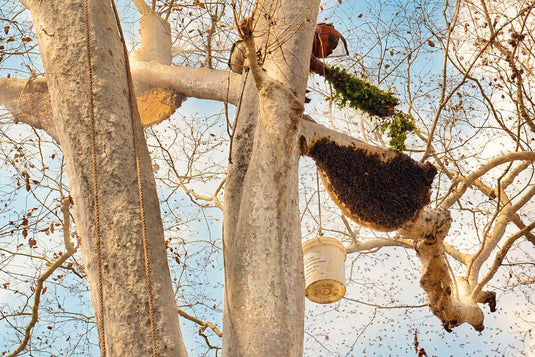
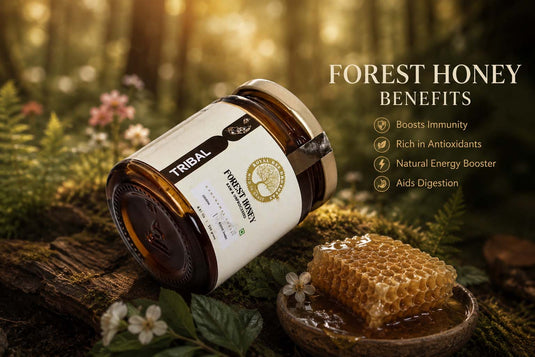
Produced by eusocial Meliponini bees foraging across dense, biodiverse rainforests. Instead of sterile beeswax, they store honey in spherical pots constructed of cerumen—a specialized blend of beeswax and botanical propolis rich in flavonoids and plant resins.
2. Biochemical Breakdown: MGO vs Stingless Honey
The core scientific debate in any raw honey comparison centers on how these two varieties achieve their therapeutic potency. One relies on a concentrated single molecule, while the other depends on a diverse biochemical matrix.
| Biochemical Parameter | Manuka Honey (High MGO) | Stingless Bee Honey |
|---|---|---|
| Primary Active Compound | Methylglyoxal (MGO) | Complex organic acids, polyphenols & propolis resins |
| Moisture Content & Consistency | Low (17% – 18%), thick cream | Higher (22% – 28%), naturally fluid |
| pH Level | Moderately acidic (~3.5 – 4.5) | Highly acidic (~3.0 – 3.5) |
| Enzyme Activity | Moderate to Low | Exceptionally High |
| Primary Therapeutic Focus | Topical wound care & anti-infective dressings | Gastrointestinal microbiome & prebiotic support |
3. Advanced Clinical Mechanisms: Matrix vs Molecule
The comparative evaluation of medicinal honeys requires an analytical framework that merges modern molecular biochemistry with traditional apicultural science. As clinical interest in functional biopolymers intensifies, researchers continue to contrast the single-molecule potency of Methylglyoxal (MGO) found in Manuka honey with the synergistic phytochemical and enzymatic matrix of forest-derived stingless bee honey.
The Methylglyoxal Paradigm of Manuka Honey
Manuka honey derives its primary clinical reputation from non-peroxide antibacterial activity governed by Methylglyoxal (MGO). Formed via the non-enzymatic conversion of dihydroxyacetone (DHA)—a nectar constituent unique to Leptospermum species—MGO acts as a direct, highly stable antimicrobial agent (Esa et al., 2022). This stability allows Manuka honey to retain its bactericidal potency even in the presence of catalase enzymes and bodily fluids, making it exceptionally effective for targeted topical applications and clinical wound management (Rosli et al., 2020).
The Synergistic Matrix of Meliponini Honey
In contrast, stingless bee honey features minimal MGO concentrations, relying instead on a multi-targeted biochemical network. Because Meliponini bees store their harvest in specialized cerumen pots composed of botanical resins and beeswax, the honey is continuously enriched with plant-derived flavonoids, phenolic acids, and high concentrations of organic acids (Zulkifli et al., 2023).
Research demonstrates that these combined fractions exert powerful free-radical scavenging capabilities and robust multi-pathway antimicrobial actions against both Gram-positive and Gram-negative pathogens (Ramón-Sierra et al., 2022).
4. Gastrointestinal Integration and Prebiotic Selectivity
While high-MGO Manuka honey excels in sterile topical wound care, its aggressive antibacterial profile can occasionally disrupt sensitive commensal microflora when consumed in high doses. Conversely, stingless bee honey functions exceptionally well as a gastrointestinal prebiotic agent.
The complex oligosaccharides present in Meliponini honey survive upper gastrointestinal hydrolysis, reaching the distal colon where they selectively stimulate the proliferation of protective strains such as Lactobacillus and Bifidobacterium species. The resultant fermentation yields vital short-chain fatty acids (SCFAs) like butyrate, which nourish colonocytes and reinforce tight junction integrity against intestinal permeability.
5. Manuka Alternatives and Sustainable Harvesting
As global demand for Manuka honey surges, the market faces significant challenges, including counterfeiting, exorbitant price points, and environmental sustainability concerns regarding monoculture harvesting. Consequently, health-conscious consumers seek premium Manuka alternatives that offer equivalent or superior functional benefits.
Authentic forest stingless bee honey represents the apex of wild apiculture. Because Meliponini colonies are diminutive and produce annual yields measured in mere kilograms per hive, commercial counterfeiting is thwarted by strict geographic and botanical requirements. Sustainable harvesting models protect wild colony habitats and support traditional indigenous forest guardians.
Scientific References & Literature
- Esa, N. E. F., et al. (2022). A review on recent progress of stingless bee honey and its hydrogel-based compound for wound care management. Molecules, 27(10), 3080. https://doi.org/10.3390/molecules27103080
- Ramón-Sierra, J. M., et al. (2022). Antimicrobial and antioxidant activity of proteins isolated from Melipona beecheii honey. Food Chemistry: X, 13, 100177. https://doi.org/10.1016/j.fochx.2021.100177
- Rosli, F. N., et al. (2020). Stingless bee honey: Evaluating its antibacterial activity and bacterial diversity. Insects, 11(8), 500. https://doi.org/10.3390/insects11080500
- Zulkifli, N. A., et al. (2023). The potential neuroprotective effects of stingless bee honey. Frontiers in Aging Neuroscience, 14, 1048028. https://doi.org/10.3389/fnagi.2022.1048028
Frequently Asked Questions
How does Methylglyoxal (MGO) in Manuka honey compare to the active matrix in stingless bee honey?
Manuka honey relies on a single dominant antimicrobial compound called MGO derived from DHA in Leptospermum nectar. In contrast, stingless bee honey utilizes a multi-targeted biochemical matrix of organic acids, botanical propolis resins, and high enzyme density.
Which honey is better for gut health and microbiome support?
Stingless bee honey is superior for gut health. Its complex prebiotic oligosaccharides reach the distal colon unblemished to feed beneficial strains like Lactobacillus and Bifidobacterium, promoting vital short-chain fatty acid (SCFA) production.
Why is stingless bee honey considered a sustainable Manuka alternative?
Unlike industrial Manuka apiculture which faces monoculture pressures and blending concerns, stingless bees are strictly wild-harvested from biodiverse rainforests in cerumen pots, supporting indigenous forest communities and environmental preservation.
Conclusion: Which Medicinal Honey is Right for You?
Ultimately, declaring a single winner in the debate between Stingless Bee Honey vs Manuka Honey depends entirely on your primary health objectives. If your primary focus is clinical dermatology, topical wound management, or burn recovery, Manuka Honey remains an unmatched clinical standard. However, if your goal is systemic metabolic wellness, gastrointestinal repair, prebiotic microbiome nourishment, and sustainable functional nutrition, Stingless Bee Honey represents the superior choice.