The Art and Science of Pure Beeswax
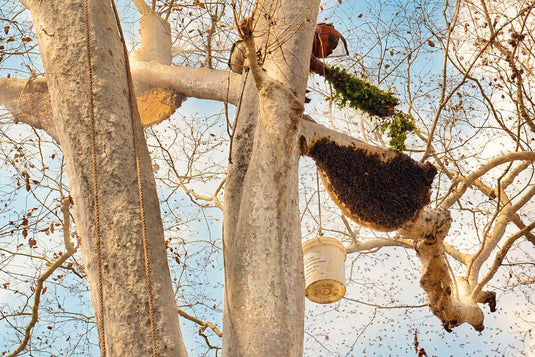
Bees are nature’s master engineers, producing not only raw honey but also one of the most versatile natural substances on earth—beeswax.
Beeswax is a natural secretion from honeybees used to build honeycombs, store honey, and protect larvae. At Royal Bee Brothers, we carefully extract pure beeswax from honeycomb while preserving its natural aroma, texture, and vital nutrients.
Whether used for candles, skincare, cosmetics, or eco-friendly food wraps, our wax retains the full spectrum of natural benefits straight from the hive. Here is our step-by-step guide on how we transform raw honeycomb into premium-grade beeswax.
What is Beeswax?
Beeswax is secreted by worker honeybees, typically between 12–18 days old. The wax emerges as tiny scales from specialized abdominal glands, which the bees then chew and shape into the precise hexagonal cells of the honeycomb. These cells serve as perfect storage units for honey, pollen, and brood.

The color of natural beeswax varies significantly depending on the age of the hive, floral sources, and its historical use:
- Fresh Wax: Ranges from pale yellow to pure white.
- Older Wax: Ranges from deep amber to dark brown due to the natural accumulation of pollen, propolis, and repeated use by the colony.
Did You Know? Pure beeswax is rich in antioxidants, unique chemical esters, and natural floral fragrances, making it highly superior to synthetic alternatives.
How Beeswax is Made: A Step-by-Step Guide
Step 1: Harvesting the Honeycomb
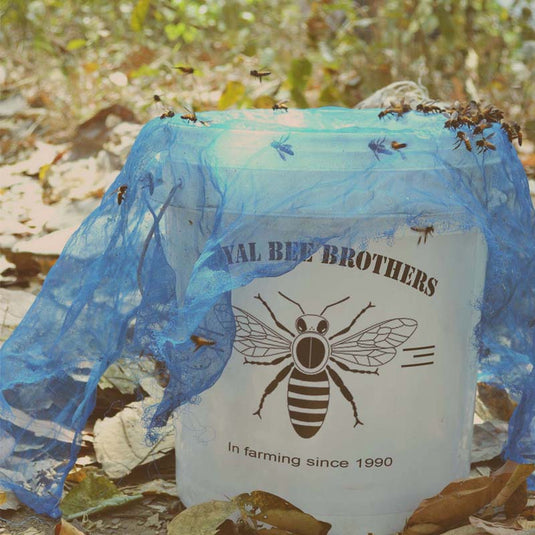
The process begins with sourcing the raw honeycomb. At Royal Bee Brothers, we carefully remove frames from the hives once the honey extraction phase is fully complete. To safeguard the colony's resources, we use gentle honey extractors that spin the honey out while leaving the base comb structural architecture intact.
We prefer using older combs, which are darker and yield a richer, denser wax. Every single comb is rigorously inspected to ensure it is clean, toxin-free, and completely free of external contaminants.
Step 2: Breaking the Honeycomb
Once harvested, the honeycomb is broken into small pieces about the size of a coin. This structural breakdown facilitates uniform melting and significantly improves wax purification efficiency during the heating stage by exposing any trapped residual honey, pollen, or debris.
Step 3: Melting the Wax
Melting transforms the solid honeycomb into liquid beeswax, allowing us to isolate it from impurities. We utilize three distinct methods depending on the batch size and goals:
- Water Bath Method (Double Boiler): Gently melts the comb over simmering water. Heavy impurities sink to the bottom of the water layer, while the lighter, pure wax floats seamlessly to the top.
- Steam Method: Uses targeted steam to liquefy the wax while keeping its aromatic profile and nutrients fully intact. This is ideal for medium-to-large batches and beautifully preserves the wax's natural yellow or amber hues.
- Solar Wax Melters: For highly eco-friendly operations, solar melters harness pure sunlight to slowly melt the wax onto collection trays. This minimizes artificial heat processing, retaining maximum natural fragrance.
Step 4: Filtering and Purification
Liquid wax initially contains fine particulate debris. To achieve pure, cosmetic-grade beeswax, we utilize a rigorous multi-stage filtration process:
- Initial Straining: Liquid wax passes through coarse muslin or a stainless-steel metal mesh to catch large particles.
- Secondary Filtering: Fine filtration through dense cheesecloth or micro-mesh isolates microscopic impurities.
- Settling: The wax is held in a liquid state temporarily, allowing remaining sub-micron solids to settle to the floor of the tank before the pristine top layer of clean wax is carefully decanted.

Step 5: Cooling and Molding
Once fully purified, the molten liquid wax is poured into specialized forms. As it cools steadily at room temperature, it is shaped into user-friendly formats:
- Blocks: Ideal for wholesale trade, industrial candle-making, or commercial manufacturing.
- Pellets/Pastilles: Convenient and highly sought after for precise cosmetic formulations, lip balms, and skincare salves.
Step 6: Optional Natural Whitening (If Required)
Certain cosmetic and pharmaceutical industries require a lighter or white beeswax. We achieve this strictly through chemical-free, natural methods:
- Extended sunlight exposure (natural sun bleaching).
- Filtration through activated natural clay or diatomaceous earth.
We strictly avoid harsh chemical bleaching agents, as they strip away the wax’s beneficial compounds, including its natural antioxidants, aromatic esters, and vitamins.
Step 7: Quality Testing & Standards
To guarantee performance across food-safe, cosmetic, and artisanal applications, every batch of Royal Bee Brothers wax must meet strict metrics:
| Property | Standard Requirement |
|---|---|
| Purity | 100% organic matter, completely free of chemical additives or paraffin fillers |
| Melting Point | Stable between 62–65°C |
| Texture & Color | Smooth, consistent finish entirely free of surface debris |
| Aroma | Retains a distinct, subtle honey and floral scent |
Sustainable and Ethical Bee Management
Ethical harvesting is at the core of everything we do to protect honeybee colonies and our local ecosystem. At Royal Bee Brothers, we strictly follow these principles:
- We only harvest honey frames that are no longer being actively utilized by the hive for storage or brood rearing.
- Bees are never harmed or displaced during the extraction and collection cycles.
- Our wax extraction processes actively support sustainable hive rotation, keeping colonies sanitary and structurally productive.
Common Uses of Pure Beeswax
| Industry | Primary Applications |
|---|---|
| Candles | Clean-burning, virtually soot-free, long-lasting candles that naturally ionize the air. |
| Skincare & Cosmetics | Acts as a natural moisture barrier in lip balms, body lotions, barrier creams, and salves. |
| Food Industry | Used as a safe, natural coating for artisanal cheeses, fine chocolates, and in making reusable beeswax food wraps. |
| Craft & Maintenance | Premium base ingredient for non-toxic wood furniture polishes and protective leather conditioners. |
Conclusion
Making premium wax from honeycomb requires a delicate blend of tradition, science, and sustainability. From the initial harvest to final molding, each step of our process is engineered to preserve the organic purity, comforting aroma, and rich nutrients built by the hive.
At Royal Bee Brothers, we ensure our beeswax remains 100% natural and ethically sourced. Whether you are looking for premium raw beeswax, pure forest honey, or clean skincare ingredients, our products reflect our deep commitment to the environment and quality craftsmanship.
What are you planning to create with your next batch of pure beeswax?