The Crimson Blossom of the Himalayas: The Botanical Heritage, Folk Legends, and Medicinal Wisdom of Buransh
Introduction: The Sacred Flame of the Mountain Forests
High within the mist-shrouded valleys of the Himalayas, where the air smells of moist earth, pine needles, and high-altitude winds, a dramatic transformation occurs each spring. To live in the shadow of these ancient, towering peaks is to understand a rhythm dictated not by clocks, but by the silent, powerful shift of seasons. The mountains do not merely house life; they breathe it into existence, standing as silent guardians over secrets passed down through countless generations. As the winter snows slowly recede from the steep mountain slopes of Uttarakhand and Himachal Pradesh, leaving behind a soil enriched by ice and time, the sombre sub-alpine forests are suddenly ignited by a brilliant explosion of crimson. This is the blooming of the Buras flower (frequently spelled Buransh), a sacred botanical treasure that has served as the heartbeat of Himalayan ecology, culture, and traditional wellness for millennia.
| Botanical Name | Rhododendron arboreum |
| Sanskrit Title | Kurvak (कुर्वक) |
| Regional Vernacular | Buras, Buransh, Barah |
| Geographical Strongholds | Uttarakhand, Himachal, Kumaon Regions |
| Peak Blooming Interval | Early March to Late April |
| Therapeutic Profile | Anti-inflammatory, Cardioprotective, Cellular Antioxidant |
For generations, the indigenous communities of these rugged terrains have regarded the Buras tree not merely as forest flora, but as an extension of their ancestral soul—a living blessing from the high peaks. There is an unspoken intimacy between the hill folk and these ancient trees; they are companions in endurance against the harsh alpine winters. Its nectar feeds the native wild honeybees, who journey across vertigo-inducing ridges to craft a rare, sweet medicine; its vibrant petals lend sweet-and-sour notes to traditional mountain cuisine; and its deep healing compounds provide a natural defense against the harsh elements of high-altitude life. When the Buransh blooms, it is as if the mountains themselves are expressing joy, draping their cold, stony shoulders in garments of royal velvet.
At Royal Bee Brothers, our foundational philosophy balances authentic, sustainable preservation with the raw power of nature's untouched gifts. We believe that true luxury lies in the preservation of ancient heritage and the organic purity nurtured by the heights. Every bottle we craft carries the quiet dignity of the snow-capped summits and the pristine innocence of glacial runoff. This comprehensive guide explores the deep botanical roots, folklore, traditional recipes, and verified clinical potential of the legendary Himalayan Rhododendron.

Etymology and Cultural Anchors
The word Rhododendron traces its origins back to classical antiquity, long before its virtues were mapped by modern science. It is derived from a pair of Greek words: rhodon, meaning "pink-red" or "rose," and dendron, meaning "tree." Literally translated as the "Rose Tree," it perfectly captures the sight of an ancient mountain trunk bearing dense, vibrant clusters of delicate, rose-like blossoms. To see them clinging to rocky cliffsides, defying gravity and frost, is to witness the poetry of survival written in shades of fire.
The Sanskrit Identity: Kurvak
In classical Indian texts and ancient Ayurvedic treatises, this magnificent tree is addressed as Kurvak. It is celebrated in classical Sanskrit literature as a symbol of romantic longing, seasonal renewal, and pristine purity. The appearance of the Kurvak blooms in poetic literature traditionally signaled the arrival of Vasanta Ritu (the spring season), prompting communities to gather, express gratitude, and harvest the forest's bounty under the watchful gaze of the eternal peaks.
State Identity across the Indian Subcontinent
The cultural impact of the Buras flower is so deeply woven into the identity of the regions where it thrives that it has been chosen as an official symbol across multiple states, reflecting the reverence felt by those who look up to the peaks for inspiration:
- Uttarakhand: Here, Rhododendron arboreum stands proudly as the State Tree, blanketing the slopes of the Kumaon and Garhwal divisions, acting as the green and red spine of the state's natural heritage.
- Himachal Pradesh & Nagaland: The flower is revered as the official State Flower, celebrating its resilience in cold climates and its cultural importance to mountain communities who view it as a symbol of endurance.
Botanical Classification and Ecological Landscape
The Buras plant belongs to the diverse Ericaceae family, a group of acid-loving plants uniquely adapted to nutrient-poor, high-altitude environments. While the genus Rhododendron contains hundreds of species worldwide, the high-altitude forests of Northern India are dominated by Rhododendron arboreum, a species that thrives best where the horizon is wide and the air is thin.
Morphological Characteristics
Unlike the ornamental dwarf shrubs commonly seen in Western gardens, Rhododendron arboreum is a true tree, possessing a wild, untamed grandeur that can only be forged by the intense forces of the mountains. It can reach heights of 10 to 20 meters, developing a rugged, twisting trunk covered in thick, rough, dark brown bark that tells the tale of decades spent weathering severe mountain storms.
- Folio Features: The leaves are thick, leathery, and lance-shaped. They feature a glossy, deep green upper layer, while the undersides are coated with a fine, velvety, rust-colored woolly down. This brilliant design is an evolutionary adaptation that prevents water loss against dry alpine winds and sub-zero temperatures, retaining moisture like a well-kept mountain secret.
- The Floral Silhouette: The flowers are grouped in dense, rounded clusters at the tips of branches, with each head holding 15 to 20 individual bell-shaped blossoms. The color intensity varies beautifully by altitude: lower elevations (1,500m - 2,200m) yield deep, brilliant crimson red flowers, while higher altitudes (2,500m - 3,500m), closer to the permanent snowline, often showcase lighter pink, soft rose, or rare white variations, as if the flowers themselves are slowly turning to ice.
The Blooming Window: Nature’s Ephemeral Spectacle
The flowering season is short and highly dependent on shifting mountain temperatures, occurring between March and April. When the spring sun begins to melt the winter snow, releasing crystal-clear waters down the rocky slopes, the buds swell and open almost overnight, turning whole mountain valleys into oceans of red. For the wild honeybees of the Himalayas, this short window provides a vital, life-saving source of early-season nectar, laying the foundation for rare and potent wild multi-floral forest honeys that capture the very essence of the wilderness.
Indigenous Customs and Regional Sacred Rituals
Throughout the mountain ranges, from the western borders of Himachal Pradesh to the eastern peaks of Arunachal Pradesh, the Buras tree is treated with deep reverence. It is seen as a protective guardian of the hills rather than just timber or flora, an organic link between the human world and the divine presence believed to reside on the highest summits.
Sacred Purifications in Arunachal Pradesh
In the high-altitude, windswept landscapes of the West Kameng and Tawang districts in Arunachal Pradesh, where the mountains touch the sky and prayers are carried on the wind, the local communities practice an ancient air-cleansing ritual. To clear negative energies and purify the air, local healers and elders gather the fresh, thick leaves of the Buras tree. These leaves are carefully blended with other aromatic high-altitude botanicals: Juniper, Thuja, and Pine species.
When burned together over hot charcoal in traditional braziers, this blend creates a rich, thick, fragrant smoke that smells intensely of the high forest. This smoke is carried through homes, monasteries, and community spaces. It is believed to cleanse the surrounding atmosphere, repel airborne pathogens, and bring a sense of mental clarity and spiritual peace to the household, reminding everyone of the healing sanctuary that is the mountain.

Divine Offerings in Garhwal and Kumaon
In Uttarakhand, where the mountains are revered as the abode of the gods, the arrival of the Buras blossom is celebrated during spring festivals such as Phool Dei. Young children gather the fresh red petals and go from house to house, placing the flowers on doorsteps to bring prosperity, health, and good fortune, tying the destiny of the people to the abundance of the hills. Furthermore, Buras petals are among the few wild forest flowers permitted in the inner sanctuaries of mountain temples, offered as symbols of purity, devotion, and the unblemished beauty of nature.
The Oral Lore: Mythological Tales of the Crimson Flower
To understand the deeper meaning of the Buras flower, one must listen to the stories told around stone hearths in secluded mountain villages during the winter freeze, when the wind howls outside and the mountains demand respect.
Legend I: Aditya and the Sanctuary of Nandpuri
Nestled deep in the protective valleys of the Himalayas, a small village named Nandpuri was known for its peace and natural beauty. In this village lived an enthusiastic young man named Aditya, who loved exploring the mountains. His grandfather often told him stories about the Buras flower, stating it possessed a supernatural power accessible only to those with a pure heart. To Aditya, the high peaks were not a barrier, but a calling. He had always longed to find this flower, but the elders warned him that venturing into the high regions could be extremely dangerous, as the mountains do not forgive arrogance. Yet, his curiosity was so intense that he was determined to uncover the mystery himself.
One day, Aditya packed some essential supplies and headed into the dense Himalayan forests, his heart beating in sync with the rustling pine leaves. As he climbed higher, the air grew colder, the trees became scarcer, and the path more difficult, testing his resolve. On the first day, he took shelter in a small cave warmed by the earth, where he encountered an elderly sage whose eyes held the stillness of a frozen lake. The sage looked at him and told him:
The Buras flower reveals itself only to those whose hearts are pure and whose intentions are noble. The mountain gives nothing to the greedy, but everything to the humble.

Aditya bowed and continued his journey, feeling the immense weight and solitude of the high ridges. On the second day, a fierce snowstorm struck as he crossed a frozen river, the wind screaming through the gorges. He barely managed to take shelter behind a massive rock, his strength fading as the mountain’s cold began to numb his limbs. Just then, a wild mountain sheep appeared nearby, staring at him with calm, knowing eyes, and guided him forward through the blinding white, as if nature itself was testing his worthiness before revealing its treasure.

Finally, after three days of an arduous, soul-stirring journey, he reached a high mountainous region where the sky felt close enough to touch. At the peak, silhouetted against the pure white snow, he saw a magnificent red Buras flower. Its brilliance was so mesmerizing, glowing like a solitary flame in the wilderness, that he was completely spellbound. When Aditya touched the flower, he felt a mysterious warmth envelop him, a profound sense of peace that washed away his exhaustion, as if the mountain itself had accepted him into its sacred family.

Suddenly, he remembered his grandfather’s words: “This flower reveals itself only to those whose hearts are true, and who seek it not for selfish gain, but for the welfare of the world.” Aditya realized that to pluck the flower would be to steal from the mountain that had saved his life. He decided to protect it instead. He vowed that he would return to the village and raise awareness about the flower’s significance and the critical need to preserve the fragile harmony of these slopes.

Upon returning, Aditya shared the story of his journey with everyone, his words filled with the passion of a man who had seen the sacred. He taught the villagers that the Buras flower is not merely a flower, but a living blessing of the Himalayas. Protecting and respecting it is our responsibility to our ancestors and our children. Gradually, the villagers understood that true strength lies not in possessing something, but in safeguarding it, living in quiet reverence of the peaks that sustained them.
Legend II: The Blessing of Buras & Grandmother Amma
In a small village of Uttarakhand, where clouds played among the mountains like children and the melodious chirping of birds filled the crisp air every morning, lived an elderly herbalist—Grandmother Amma. People fondly called her “Buras Wali Dadi,” because her soul seemed rooted in the very earth of the forests.

Every year, with the arrival of spring, the entire forest would be adorned with red and pink Buras flowers, as if the mountains were celebrating their own rebirth. Early in the morning, when the dew still clung to the petals like diamonds, Dadi would take her hand-woven basket and climb the gentle paths, lovingly selecting the freshest Buras flowers. She never took too many from one tree, always leaving enough for the bees, showing an innate respect for the organic balance of the mountain ecosystem. The villagers were always curious—why did she collect these flowers with such devotion every year?
One day, a little girl in the village named Gudiya was suffering from a high fever and a burning sensation in her chest. Her parents had tried many medicines, but nothing worked, and the heavy mountain silence grew terrifying. Finally, they took Gudiya to Dadi’s humble hut. Smiling with the calm confidence of the hills, Dadi boiled some Buras petals in pure mountain spring water and gave it to Gudiya to drink, along with a chilled Buras syrup she had preserved. She said: “Child, this Buras is not just a flower—it is a blessing of the Himalayas. The mountains know our suffering, and its essence holds health within it.”
The very next day, Gudiya’s fever broke, and her health improved dramatically. The news quickly spread through the valleys: the Buras flower is truly miraculous, a gift from the heights meant to heal the people below.

Now, every household in the village keeps Buras syrup as a precious heirloom. In the summers, chilled Buras syrup is served to wash away fatigue, and in the winters, its warm decoction is prepared—both have become Dadi’s cherished tradition. Whenever the Buras blooms across the mountains, painting the landscape in vibrant crimson, the villagers look up at the peaks and say with gratitude, “This is not just a flower, it is medicine from the heart of the Himalayas.”
Scientific and Ayurvedic Therapeutic Profile
In Ayurveda, many trees, plants, and herbs are mentioned for their health benefits, recognized as conduits of Prana or life-force energy. When used correctly, they improve overall wellness and clarify skin-related issues. Modern biochemistry is now beginning to validate what Himalayan tribal communities have practiced for centuries; the nutrient-rich Buras flower is packed with essential active nutrients nurtured by pristine soil and intense solar radiation.
Key Benefits of Buras (Buransh)
- Good for the Heart: Buras juice strengthens the heart muscles, protects blood vessels from oxidative stress, and helps maintain balanced blood pressure, echoing the steady endurance of mountain climbers.
- Rich in Antioxidants: Packed with flavonoids and anthocyanins, it helps eliminate toxins from the body and improves natural skin glow from within.
- Relieves Inflammation and Pain: Natural compounds like Quercetin give its leaves and flowers the capacity to provide deep relief from joint pain, arthritis, and tissue swelling caused by cold climates.
- Aids Digestion: Traditional consumption helps ease gas, indigestion, and minor metabolic discomfort, harmonizing the body's internal fire.
- Useful for Respiratory Support: Its natural soothing properties provide significant relief from bronchitis, coughs, and high-altitude chest congestion.
Modern Scientific Horizons: Antiviral Research
Recently, Buras gained significant attention in academic circles for its strong antiviral properties, which led to its use in research related to SARS-CoV-2 vaccine and therapeutic development. Peer-reviewed studies have shown that this Himalayan flowering tree, growing in the purest environment on earth, possesses specific phytochemical compounds that can bind to viral proteases, potentially inhibiting cellular replication and protecting infected tissue.
Culinary Applications & Authentic Uses
The juice of these flowers provides a vibrant, delicious, and deeply therapeutic addition to your lifestyle. It is an invitation to taste the crispness of the mountain air and the sweetness of wild spring. It can be consumed in various authentic forms:
- Syrup / Sharbat: The most popular traditional form; made from fresh flowers to create a deeply cooling, refreshing summer drink that revives the spirit.
- Jam and Jelly: The crushed tart petals are simmered slowly to make unique, premium sweet preserves.
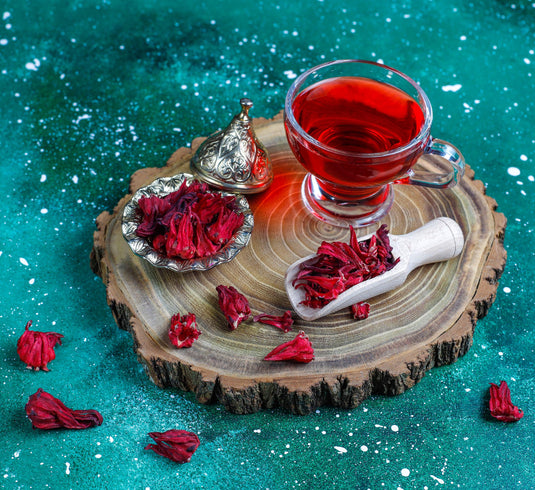
- Herbal Tea / Decoction: Tea made from dried flowers is incredibly beneficial for fighting off colds, coughs, and sore throats during seasonal changes.
- Skincare Paste: Freshly prepared topical pastes enhance skin radiance and naturally calm acne breakouts using pure, organic botanicals.

How to Prepare Traditional Buras Flower Juice at Home
- Wash the fresh Buras flowers gently and soak them in clean water to clear any forest dust, treating each bloom with care.
- Take a premium stainless-steel pan, add pure water, and bring it to a gentle heat, letting the temperature rise slowly.
- Add the petals to the water and simmer on medium heat until the water completely extracts the pigment and turns a rich, ruby-like pinkish red.
- Continue simmering until the liquid reduces to half its original volume, concentrating its natural power, then strain carefully through a fine muslin cloth.
- Once cooled to room temperature, pour a portion of the concentrated organic base into a fine glass.
- Sweeten generously with raw forest honey, add cold spring water or ice, and enjoy this pristine mountain refreshment chilled, feeling the spirit of the Himalayas in every drop.
Bring Home the Pure, Unprocessed Legacy of India's Forests
Experience unpasteurized wild honey extracted with generational pride and absolute environmental respect.
Browse Our Full Heritage Honey CollectionWant to learn more about wild honey sourced directly from India's forests?
Explore our Ultimate Guide to Forest Honey in India: Benefits, Purity, Harvesting & Uses to understand how forest honey is collected, how it differs from regular honey, and the key signs of authentic, unprocessed forest honey.
Read the Ultimate Guide to Forest Honey in India →

1 comment
Being an ardent Nature lover, I respect humans who love and protect Natural Bounties – forests, trees, herbs, flowers, butterflies, flora and fauna are all enthralling and captivating – but most modern civilization is bereft of it!