"
Unit price
per


Forest Bee Pollen | Raw Natural Superfood | Rich in Protein Vitamins Minerals | Daily Immunity Booster | 100% Pure
Rs. 575.00
Rs. 575.00
Rs. 750.00
Couldn't load pickup availability
Bee Pollen is a natural superfood collected by honeybees from diverse forest flowers. These golden granules are rich in protein, amino acids, vitamins, minerals, and antioxidants that support overall wellness.
Bee Pollen is a 100% raw and natural superfood collected by bees from flowering plants and carefully preserved to retain its full nutritional value. Known as one of nature’s most nutrient-dense foods, it is rich in protein, vitamins, minerals, enzymes, and antioxidants, making it an excellent addition to your daily diet.
Our bee pollen is unprocessed, chemical-free, and free from additives, ensuring you get the purest form of nutrition directly from nature. These tiny granules are packed with energy-boosting nutrients that help improve overall wellness, stamina, and immunity.
1.Take 1–2 teaspoons daily for best results
2.Mix with honey, warm water, or smoothies
3.Sprinkle over salads, cereals, or yogurt
4.Consume regularly for immunity & energy boost
5.Start with small quantity and gradually increase
Overview
Bee Pollen: Benefits, Uses, Nutrition & How to Consume
Discover the fascinating world of bee pollen — a naturally collected hive product created when honeybees gather pollen from flowering plants and carry it back to the colony. Traditionally valued as a natural food, bee pollen reflects the remarkable relationship between bees, flowers, forests and the wider ecosystem.
At Royal Bee Brothers, our approach to natural products is rooted in India's diverse landscapes, traditional honey culture and the remarkable products that originate from the hive.
Collected by Honeybees Bee pollen originates from pollen gathered by honeybees from flowering plants during their natural foraging activity.
A Naturally Diverse Food Its colour, aroma and characteristics can vary according to the flowers and botanical sources visited by bees.
Part of the Hive Ecosystem Bee pollen plays an important role within the colony and is closely connected to the life cycle and nourishment of honeybees.
Connected to Floral Diversity Different landscapes and flowering seasons contribute to the diversity found in natural bee products.
What Is Bee Pollen?
Bee pollen is pollen collected by honeybees from flowers and transported back to the hive. During foraging, bees visit flowering plants to gather pollen and nectar. The pollen is collected and carried on specialised structures on their hind legs before being returned to the colony.
Unlike ordinary flower pollen found in the environment, bee-collected pollen is associated with the natural activity of honeybees. This makes it an interesting hive product for people exploring the wider world of natural honey products and traditional bee-derived foods.
The appearance of bee pollen can vary considerably. Depending on its botanical origin, individual granules may appear yellow, orange, golden, brown or darker in colour. Aroma, flavour and texture can also differ, making botanical diversity one of the most interesting characteristics of natural bee pollen.

Why does bee pollen look different from batch to batch?
Bees forage across different flowers, landscapes and seasons. As a result, natural bee pollen can display variations in colour, aroma, flavour and composition. Such variation is a natural feature of a botanical product rather than something that necessarily indicates inconsistency.
How Do Bees Collect Pollen?
The journey of bee pollen begins in flowering plants. When honeybees visit flowers, pollen grains attach to their bodies. Bees groom themselves and collect the pollen into compact masses that are carried on their hind legs.
Honeybees use pollen as an important resource within the colony. Alongside nectar and other hive resources, pollen forms part of the natural food system that supports the colony throughout its life cycle.
This connection between flowers and bees makes bee pollen particularly fascinating. Every granule represents a small part of a much larger ecological relationship involving flowering plants, pollinators, seasons and landscapes.
To understand this relationship more deeply, explore our Forest Honey Guide and discover how floral sources and landscapes influence the character of natural honey.
Bee Pollen Nutrition
Bee pollen is naturally derived from flowering plants and can contain a range of naturally occurring nutrients and plant compounds. Its nutritional profile is not identical from one batch to another because botanical source, geography, season and collection conditions can influence its composition.
Natural bee pollen may contain proteins and amino acids, carbohydrates, lipids and various naturally occurring micronutrients and plant compounds. Compounds such as polyphenols and flavonoids are also commonly associated with pollen and other plant-based foods.
However, there is no single nutritional profile that accurately represents every bee pollen product. The botanical sources visited by bees and the way the pollen is collected and handled can influence its final characteristics.
Why Botanical Origin Matters
Bee pollen should be viewed as a naturally variable botanical food rather than a standardised synthetic ingredient. Colour, aroma, flavour and nutritional composition may vary according to the flowers and landscapes associated with the bees' foraging activity.
Bee Pollen Benefits: What Makes It Interesting?
Interest in bee pollen benefits comes largely from its botanical diversity and naturally occurring nutrients and plant compounds. It is often explored as part of a balanced diet and natural-food lifestyle.
Bee pollen should not, however, be presented as a miracle cure or a replacement for medical treatment. The appropriate way to appreciate it is as a natural food whose characteristics depend on its botanical origin, handling and quality.
Its connection with flowering plants also makes bee pollen particularly interesting from an ecological perspective. It represents a direct link between pollinators, plants and the wider natural environment.
A Natural Food, Not a Miracle Ingredient
Responsible information about bee pollen should focus on its natural origin, botanical diversity, provenance, quality and appropriate consumption rather than making exaggerated health or medical claims.
Bee Pollen and India's Floral Diversity
India's extraordinary botanical diversity provides a fascinating backdrop for understanding natural bee products. Forests, grasslands, agricultural landscapes and flowering plants create different foraging environments for honeybees.
The botanical environment can influence the colour, aroma and character of pollen collected by bees. Seasonal flowering patterns can also change the availability of different floral sources.
This is one reason natural hive products should be appreciated as foods connected to their environment. Just as different varieties of forest honey can express distinctive regional characteristics, bee pollen can reflect the floral landscape in which bees forage.
For those interested in specialised bee products, our stingless bee honey collection offers another perspective on the remarkable diversity of bees and hive-derived foods.
Bee Pollen vs Honey: What Is the Difference?
Although both come from honeybees, bee pollen and honey are fundamentally different hive products. Honey primarily originates from nectar collected by bees and transformed within the hive. Bee pollen originates from pollen gathered from flowers.
Honey is known for its sweetness, aroma and variety of floral characteristics, while bee pollen is generally recognized for its granular appearance and botanical character. Their taste, texture and culinary uses are therefore quite different.
If you are exploring natural honey varieties, browse our honey collection and learn more about our Purity Promise and approach to natural product quality.
How to Consume Bee Pollen
Bee pollen is commonly used as a food ingredient rather than simply consumed on its own. Depending on the product format and individual preference, it may be incorporated into breakfast bowls, yoghurt, smoothies or other everyday foods.
A simple approach is to treat bee pollen as an ingredient that complements an existing balanced diet. Always follow the serving and storage guidance provided with the specific product.
Its slightly floral, earthy or mildly sweet character can add an interesting dimension to everyday foods. Because flavour varies naturally, experimenting with small quantities can help you understand its particular taste and texture.
How Much Bee Pollen Should You Take?
There is no universal serving size that applies to every bee pollen product. Recommended consumption can vary according to the product, processing method and manufacturer's instructions.
For this reason, consumers should follow the serving guidance printed on the specific product rather than relying on a generic internet dosage. If you are introducing bee pollen into your diet for the first time, beginning according to the product's recommended serving guidance is a sensible approach.
Bee Pollen Side Effects, Allergies & Safety
Because bee pollen originates from flowers, people with known pollen allergies or sensitivities to bee products should exercise particular caution. Natural does not automatically mean suitable for everyone.
If you have allergies, are pregnant or breastfeeding, take medication, or have an existing medical condition, consult an appropriate healthcare professional before adding concentrated bee products to your diet.
Any unusual reaction after consuming bee pollen should be taken seriously. Stop consuming the product and seek appropriate medical advice if a significant reaction occurs.
How to Choose Quality Bee Pollen
When buying bee pollen online, look beyond attractive packaging. Provenance, ingredient transparency, processing information, storage guidance and responsible labelling are important considerations.
Choose products from brands that clearly communicate what the product is, where it comes from and how it should be stored. Natural variation in colour and appearance should also be understood before judging a botanical product solely by visual uniformity.
At Royal Bee Brothers, our broader philosophy centres on traceability, responsible sourcing and understanding the origin of natural products. Learn more through our Honey Purity & Quality Guide and Royal Bee Brothers story.
Bee Pollen and the Wider World of Natural Hive Products
Bee pollen is only one part of the remarkable world of bee-derived products. Honey, beeswax and other hive products demonstrate how closely human food traditions have historically been connected with bees and flowering landscapes.
For consumers interested in natural Indian products, exploring these connections can make everyday foods more meaningful. A jar of honey is not simply a sweetener; it can represent a particular floral environment, season and traditional relationship between people and bees.
Our Indian artisan gifting collection brings together products inspired by Indian craftsmanship and natural traditions, while our handcrafted gifting range offers additional ways to explore products with an artisanal character.
From Flower to Hive, Nature Creates the Story
Bee pollen reminds us that natural foods are connected to ecosystems. Flowers, bees, forests, seasons and communities all form part of a larger story — one that deserves responsible sourcing and thoughtful appreciation.
Frequently Asked Questions About Bee Pollen
What is bee pollen?
Bee pollen is pollen collected by honeybees from flowers and carried back to the hive. Its colour, flavour and characteristics can vary according to its botanical and geographical origin.
What are bee pollen benefits?
Bee pollen is valued as a natural botanical food containing naturally occurring nutrients and plant compounds. Its composition varies according to floral source, geography, season and handling, so it should not be presented as a medical treatment or miracle food.
What does bee pollen taste like?
Bee pollen can have a mildly sweet, earthy, floral or slightly bitter character. Taste varies naturally depending on the flowers visited by the bees.
Is bee pollen the same as honey?
No. Honey primarily originates from floral nectar, while bee pollen is collected from flower pollen. They are different hive products with different characteristics.
How can bee pollen be consumed?
Bee pollen may be incorporated into foods such as yoghurt, smoothies or breakfast bowls, depending on the product instructions. Always follow the recommended serving guidance.
Can everyone consume bee pollen?
People with pollen or bee-related allergies should be particularly cautious. Anyone with allergies, medical conditions, pregnancy or medication-related concerns should consult a healthcare professional before consuming it.
Explore the Natural World of Indian Honey
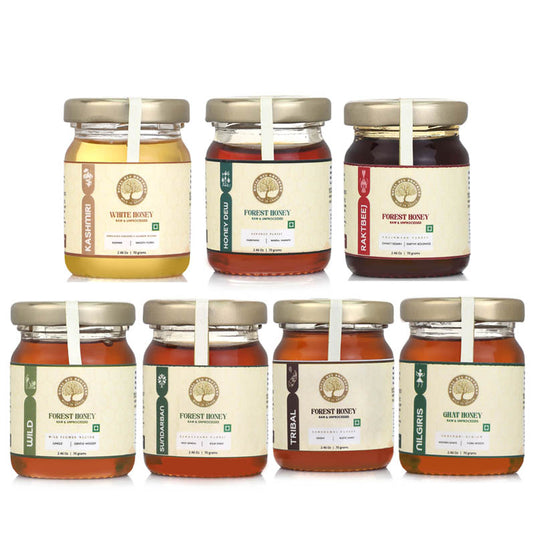
Discover distinctive honey varieties inspired by India's forests, floral diversity and traditional honey culture.
Explore Forest HoneyFor readers who want to understand honey authenticity in greater detail, explore our guide to testing honey at home and learn why simple home tests have important limitations.
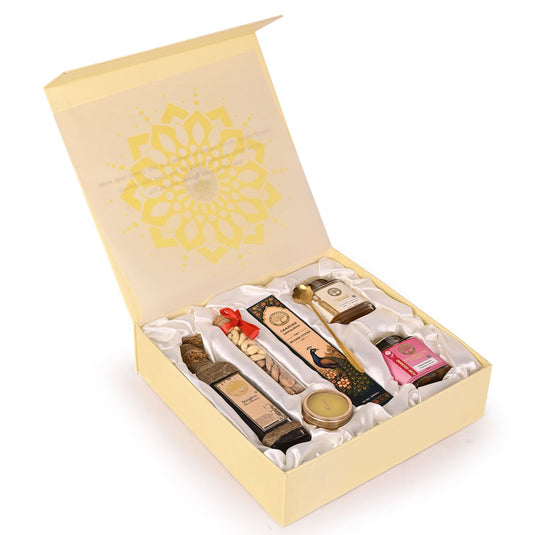
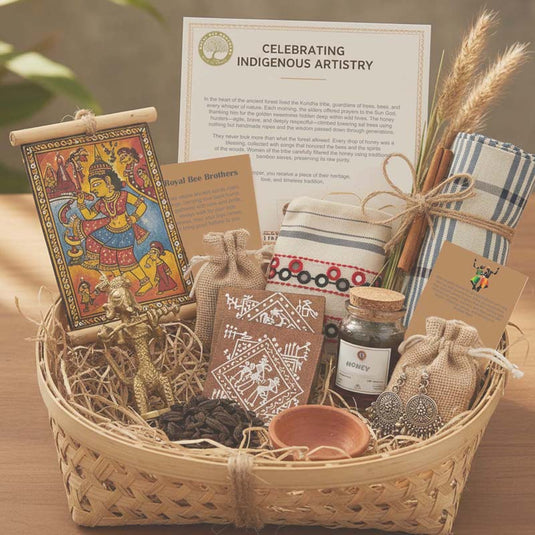
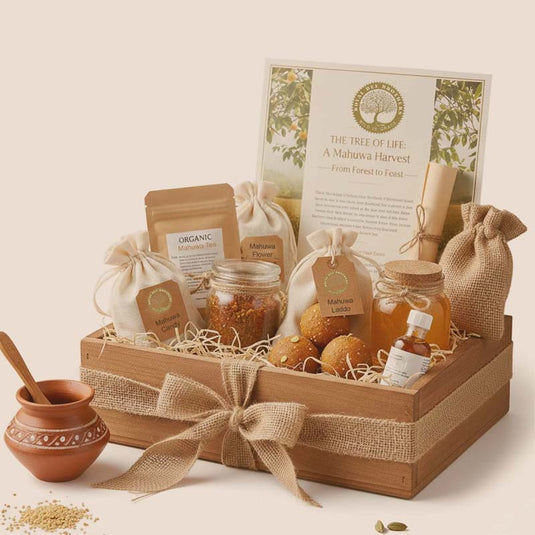
If you are looking for meaningful gifting options, our gift hamper collection combines Indian natural products with thoughtful presentation for festive and personal occasions.
Discover Thoughtful Natural Gifting
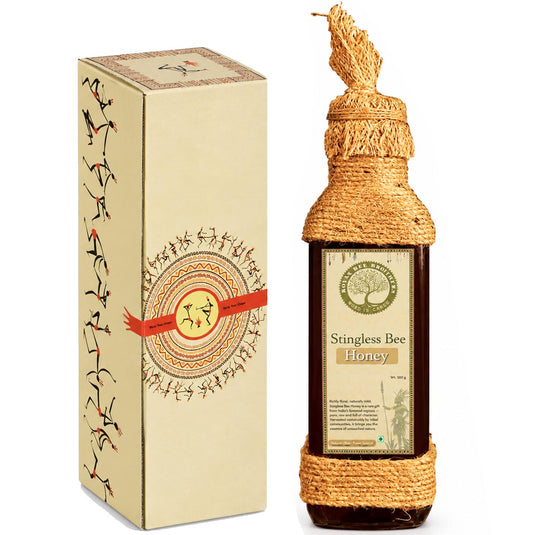
Explore handcrafted, forest-inspired gifting collections from Royal Bee Brothers, created for festivals, celebrations and meaningful relationships.
Explore Forest Gift HampersShipping & Return
Royal Bee Brothers
Shipping & Returns Policy
Free Shipping
Orders > Rs. 399
Delivery Time
3–6 Business Days
Return Window
7 Working Days
1. Delivery Information
We partner with premier couriers to ensure your honey arrives safely. Deliveries occur weekdays (10 AM–5:30 PM). Please provide an accurate, manned address (office addresses are recommended if you are away during the day).
- Tracking: Real-time updates are available via the 'My Account' portal.
- Failed Attempts: Couriers will attempt delivery 1–2 times before returning to depot.
- Remote Areas: If your address is flagged as "remote," we may contact you regarding additional service fees.
2. Returns, Replacements & Glass Safety
We take pride in our packaging. However, if you receive damaged or incorrect items, please notify us within 24 hours of receipt.
⚠️ Glass Safety Notice: If a jar is shattered, please do not consume the contents. Handle broken glass with protective gloves and contact us immediately with photos for a free re-shipment or full refund.
Eligibility: Returns are accepted for items in original, unused condition with all tags intact. Refunds are processed to the original payment method within 7 working days of warehouse approval.
Liability Policy: Ownership transfers to the buyer upon tracking confirmation. Royal Bee Brothers is not liable for delivery delays caused by external events (weather, network outages, etc.). Conflicts between this policy and our Terms & Conditions are superseded by the latter.
Need Assistance?
Our team is here to help with tracking or return requests.
Step Into the Wild Forest World
Forest Picks You'll Love
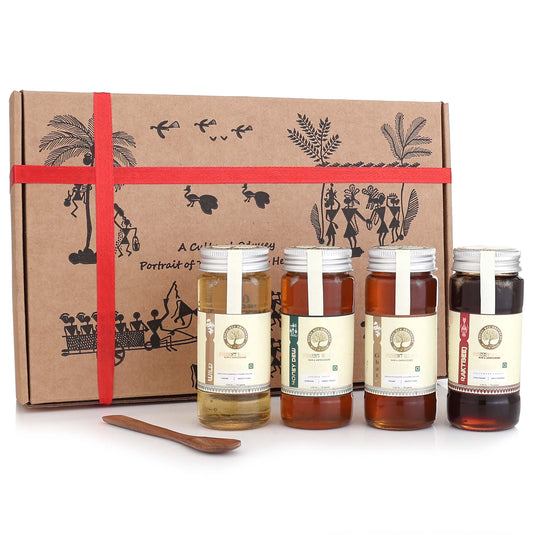
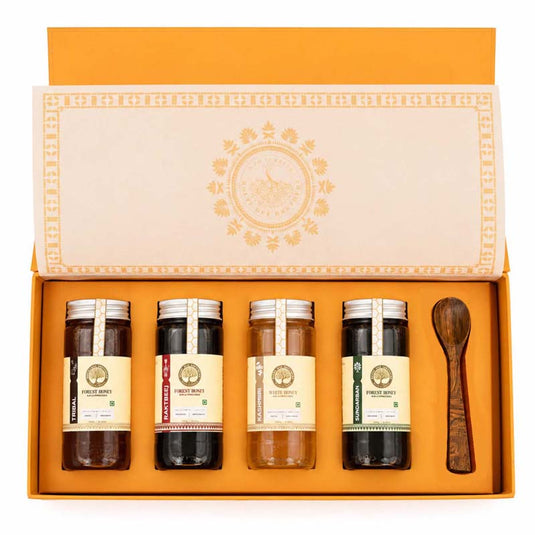
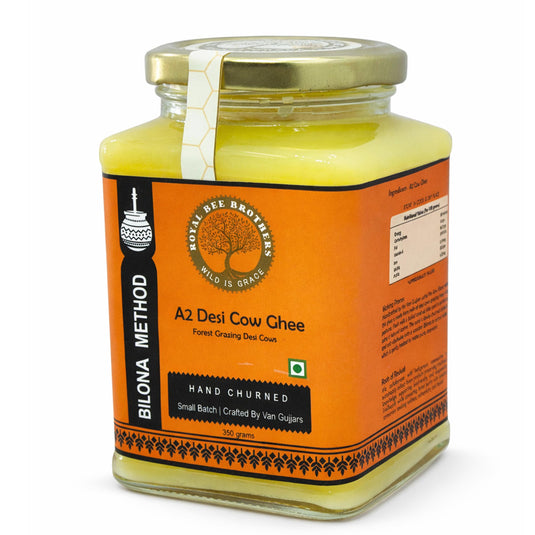
Behind every product lies a story of dedicated communities, thriving forests, and generations of traditional knowledge. Discover nature's finest treasures, thoughtfully sourced and carefully crafted with respect for people, forests, and sustainable practices.

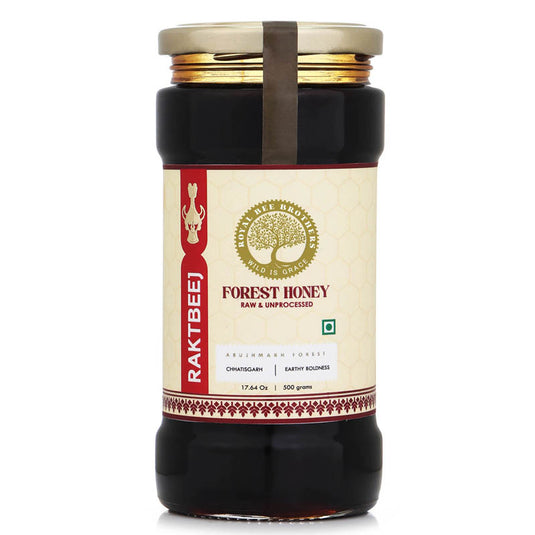
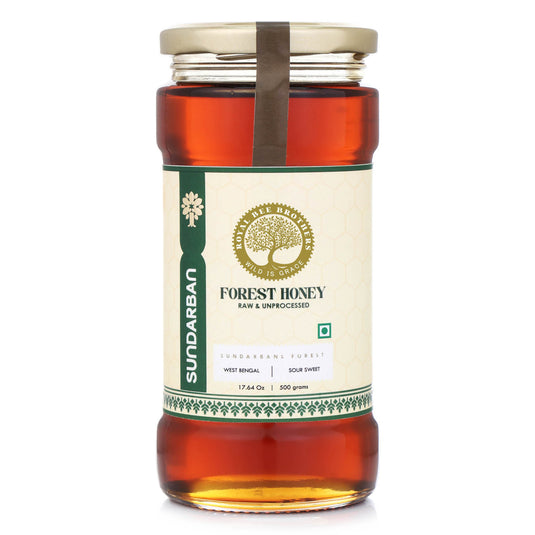
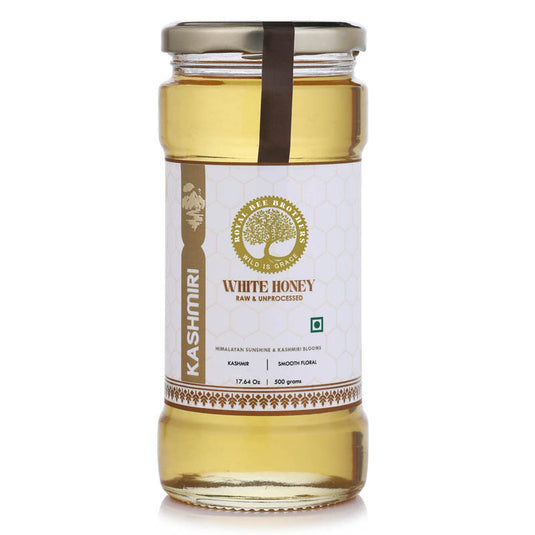
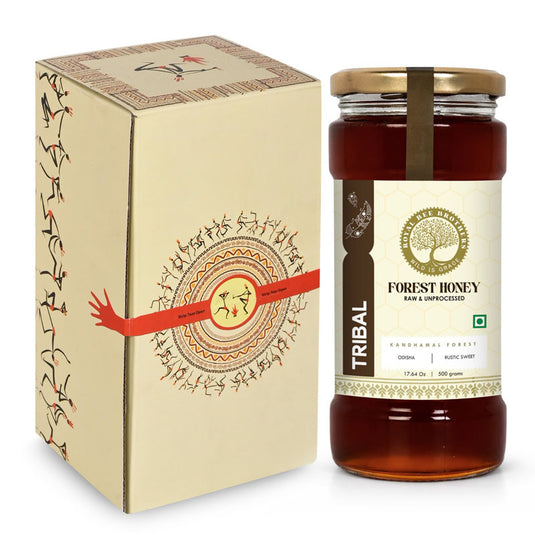



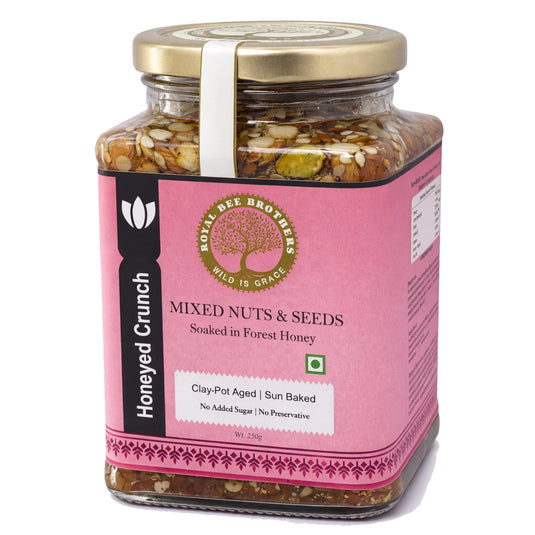

Heritage Forest Chronicles
Tales of the Forests
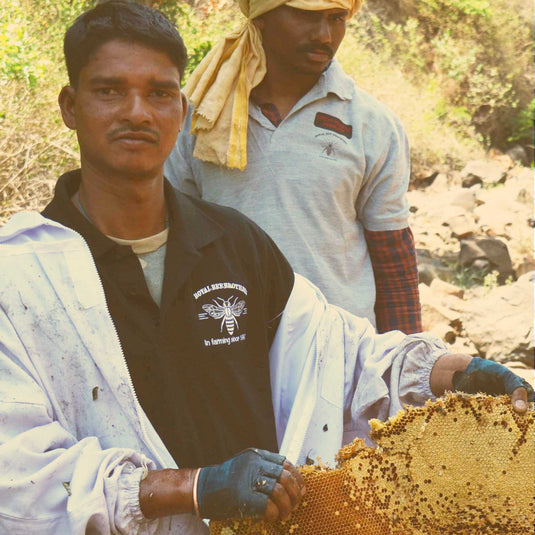
Step into India’s untouched wilderness where generations of traditional honey hunters move silently through ancient forests, harvesting wild forest honey with time-honored, sustainable methods. Each journey reflects resilience, heritage, and a profound harmony between humans and nature—preserving a craft that nature itself has perfected.
Step Into the Wild Forest World
Into The Wild
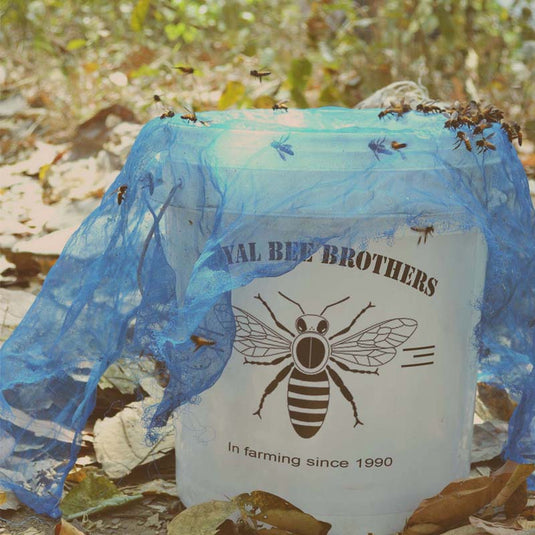
Behind every jar of natural honey lies a story of dedicated beekeepers, thriving forests, and generations of expertise. Experience pure, sustainably sourced honey and forest produce crafted with care and respect for nature.