"
Unit price
per


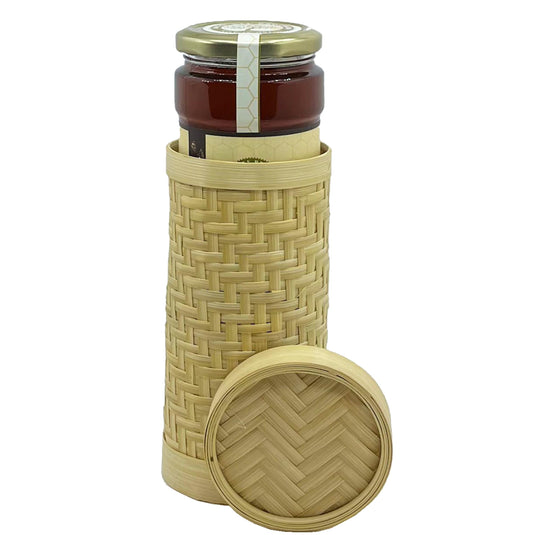
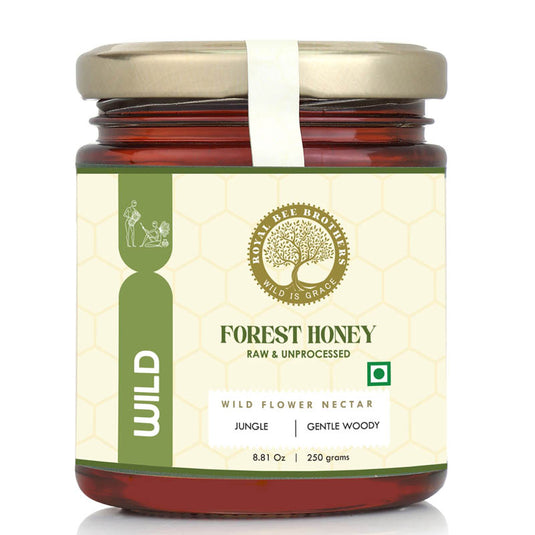
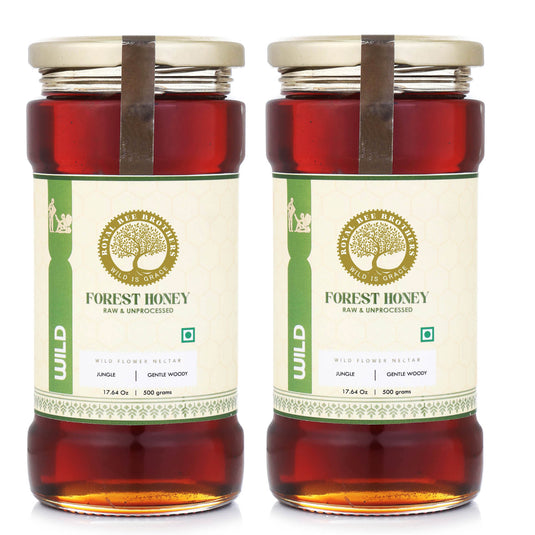
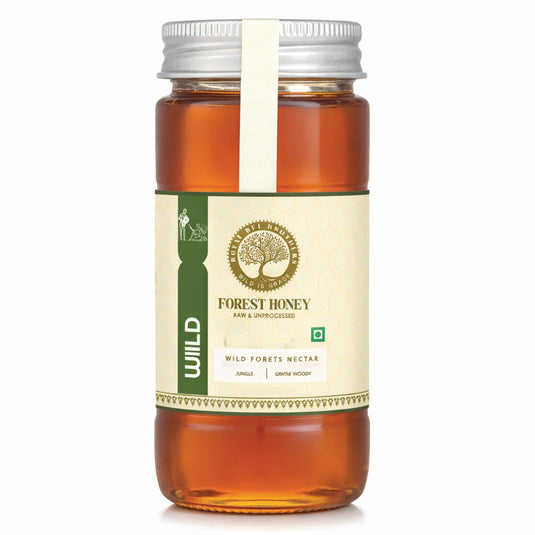
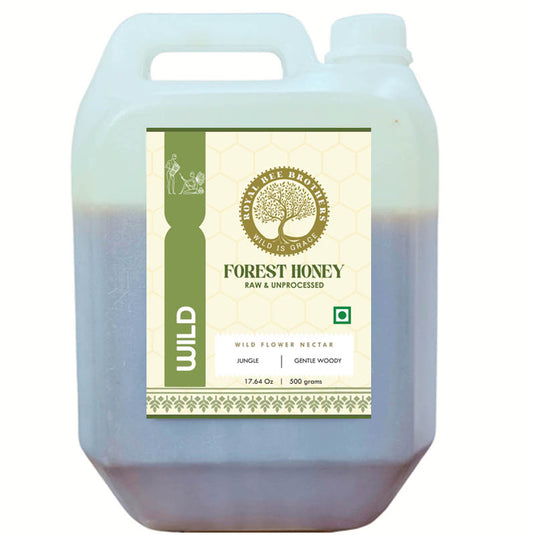
Organic Certified Wild Forest Honey | Certified from NPOP APEDA, Raw, Unprocessed, Unheated, Pure Natural Honey from Wild Honey Bees
Rs. 499.00
Rs. 499.00
Rs. 550.00
Couldn't load pickup availability
Certified organic wild forest honey from India, raw and unprocessed, ethically harvested from untouched forests with rich antioxidants, natural enzymes, and authentic floral taste.
Wild forest honey is a perfect natural sweetener, enriched with pollen, it is a perfect immunity booster. This honey is richer in antioxidants such as flavonoids and polyphenols. Helps fight free radicals, supports immunity, reduces inflammation, and slows cellular aging. This forest honey contains stronger antimicrobial enzymes like glucose oxidase due to less processing and exposure to medicinal plants, helps fight infections, supports oral health.
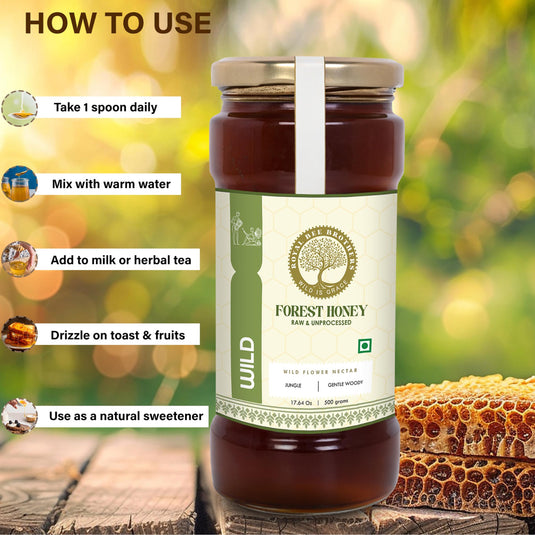
This honey is a perfect replacement for sugar in tea, coffee, and smoothies. It adds rich flavor and nutrients without the glycemic spike of white sugar. It is especially effective during seasonal changes and for soothing sore throats.
Consuming forest honey with lukewarm water and lemon in the morning on an empty stomach helps with digestion, detoxification, and weight management.
Overview
Raw & Unprocessed Wild Forest Honey | Organic Certified Pure Honey from Indian Forests
Discover the purity of authentic wild forest honey harvested from untouched Indian forests and naturally crafted by wild honey bees.
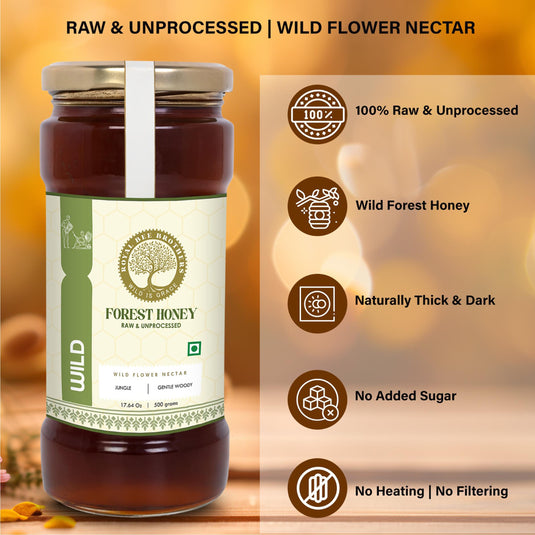
This NPOP-APEDA Organic Certified raw forest honey is unprocessed, unheated, and minimally filtered to preserve its natural pollen, active enzymes, antioxidants, amino acids, and essential nutrients. Sourced sustainably from biodiverse forest regions, this pure honey is free from added sugar, artificial flavors, preservatives, antibiotics, and chemical additives.
Rich in natural goodness, it offers a deep woody aroma, thick texture, dark amber color, and bold authentic taste that reflects the richness of Indian forest flora. Scientifically tested in NABL certified laboratories and produced under FSSAI compliant standards, this premium raw and unprocessed honey supports immunity, digestion, energy, and overall wellness while delivering nature’s original sweetness in every spoonful.
Ideal for daily consumption, healthy lifestyles, Ayurveda-inspired nutrition, and natural wellness routines, this pure forest honey represents authenticity, transparency, and ethical forest harvesting at its finest.
Shipping & Return
Royal Bee Brothers
Shipping & Returns Policy
Free Shipping
Orders > Rs. 399
Delivery Time
3–6 Business Days
Return Window
7 Working Days
1. Delivery Information
We partner with premier couriers to ensure your honey arrives safely. Deliveries occur weekdays (10 AM–5:30 PM). Please provide an accurate, manned address (office addresses are recommended if you are away during the day).
- Tracking: Real-time updates are available via the 'My Account' portal.
- Failed Attempts: Couriers will attempt delivery 1–2 times before returning to depot.
- Remote Areas: If your address is flagged as "remote," we may contact you regarding additional service fees.
2. Returns, Replacements & Glass Safety
We take pride in our packaging. However, if you receive damaged or incorrect items, please notify us within 24 hours of receipt.
⚠️ Glass Safety Notice: If a jar is shattered, please do not consume the contents. Handle broken glass with protective gloves and contact us immediately with photos for a free re-shipment or full refund.
Eligibility: Returns are accepted for items in original, unused condition with all tags intact. Refunds are processed to the original payment method within 7 working days of warehouse approval.
Liability Policy: Ownership transfers to the buyer upon tracking confirmation. Royal Bee Brothers is not liable for delivery delays caused by external events (weather, network outages, etc.). Conflicts between this policy and our Terms & Conditions are superseded by the latter.
Need Assistance?
Our team is here to help with tracking or return requests.
Explore Wild Forest Honey
What is the origin of this Wild Forest Honey?
This organic certified Wild Forest Honey is harvested from the untouched deep forest regions where Bees collect nectar from a diverse range of wild blossoms, resulting in honey with a rich flavour, distinctive aroma, and natural purity.
Read More
Read More
Which species of bees collect the nectar, and what flowers and forest plants contribute to this Wild Forest Honey?
This Wild Forest Honey is primarily produced by indigenous wild honeybees, especially Apis dorsata, which naturally forage across the biodiverse forests of Uttar Pradesh. These bees collect nectar from flowering trees such as Sal, Haldu, Ashid, Jamun, and Khair, along with hundreds of species of wildflowers, medicinal herbs, shrubs, vines, and other native forest plants. The remarkable diversity of forest flora contributes to the honey's rich aroma, complex flavour, natural colour, and unique nutritional profile.
Read More
Read More
Is this Wild Forest Honey organically certified, and by whom?
Yes. This Wild Forest Honey is certified organic under the National Programme for Organic Production (NPOP), administered by APEDA (Agricultural and Processed Food Products Export Development Authority), Government of India. This certification verifies that the honey is sourced, harvested, processed, and handled in accordance with India's recognized organic standards, ensuring authenticity, traceability, and compliance with rigorous organic certification requirements.

How do you verify that this Wild Forest Honey is pure?
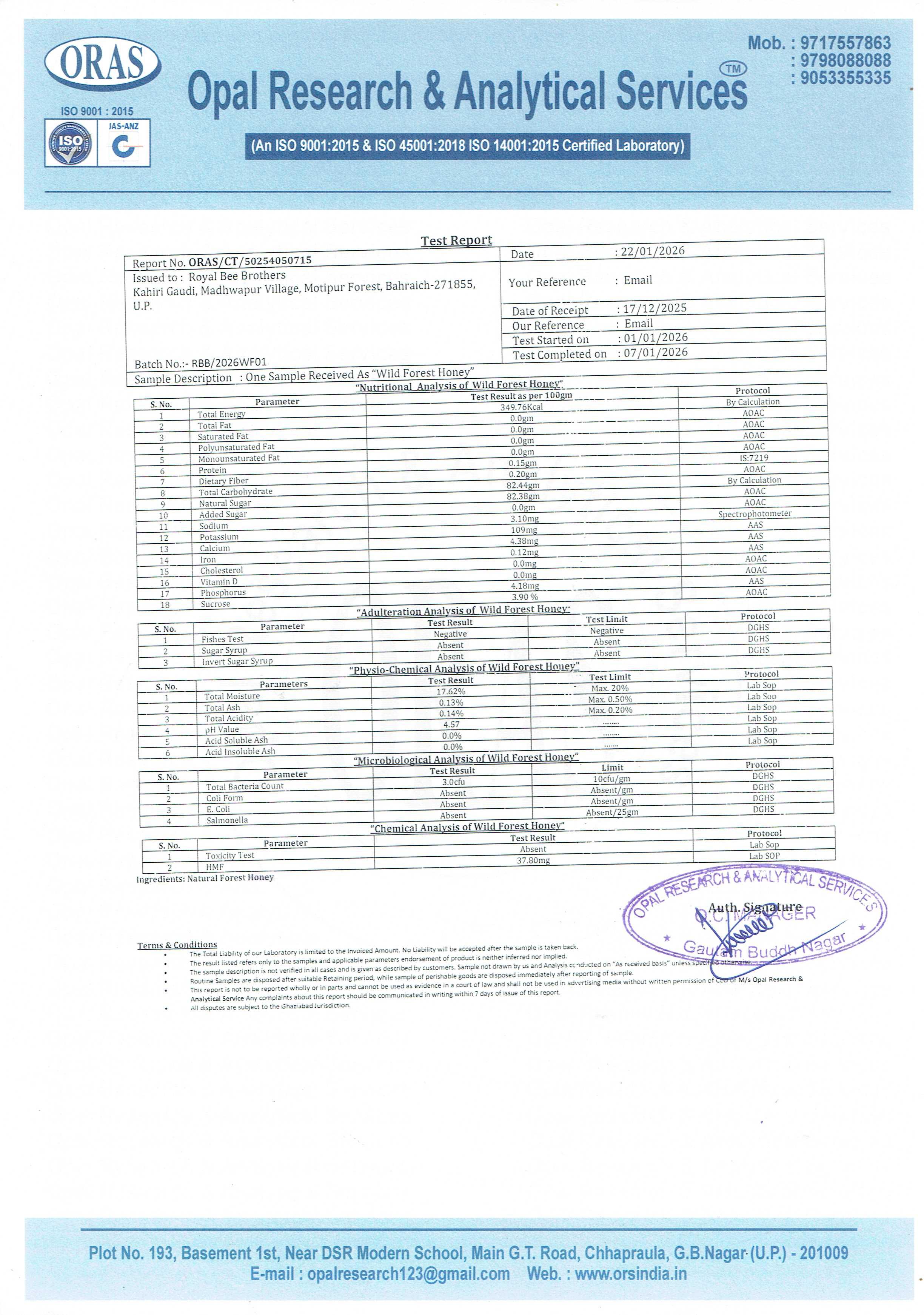
This honey is tested in NABL certified lab, and we are providing test report with each bottle.
Key Analysis are:
- Adulteration Analysis
- Micro-Biological Analysis
- Physio-Chemical Analysis
- Nutritional Analysis
- Chemical Analysis
Read More
Key Analysis are:
- Adulteration Analysis
- Micro-Biological Analysis
- Physio-Chemical Analysis
- Nutritional Analysis
- Chemical Analysis
Read More
In what ways is Wild Forest Honey unique compared to commercial honey?
Wild Forest Honey is raw, unprocessed, unheated, and minimally filtered. This preserves the natural pollen content and beneficial enzymes that support overall health whereas mostly commercial honey is pasteurized, filtered, and processed, which removes beneficial enzymes and pollen.
Read More
Read More
Why some honey crystallizes over time?
Honey is primarily made from flower nectar and is a combination of glucose and fructose. Honeybees collect nectar from flowers and store it in their hive to make honey. Each type of flower has a different glucose-to-fructose ratio, and these ratios determine the crystallization of honey.
Read More
Read More
In what ways can this forest honey be used?
Wild Forest Honey is perfect for daily consumption as a natural sweetener in warm water, tea, milk, smoothies, and desserts. It is also widely used in cooking, baking, and natural skincare, including face masks, lip care, and hair treatments, making it a versatile addition to everyday wellness.
Read More
Read More
What makes it medicinally potent?
High levels of antioxidants, flavonoids, and natural enzymes—especially glucose oxidase, which helps produce hydrogen peroxide (antibacterial action).
Step Into the Wild Forest World
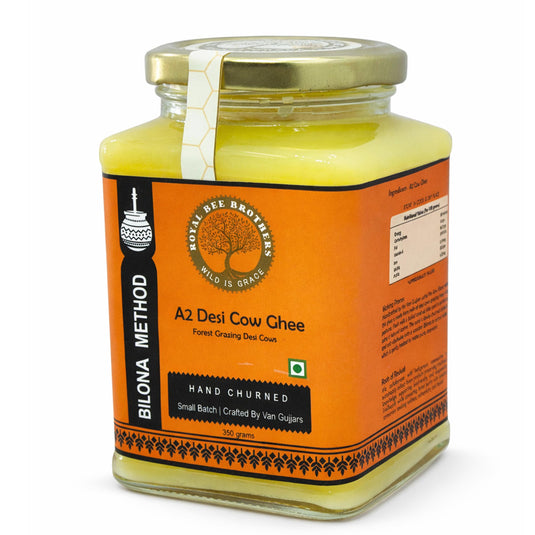
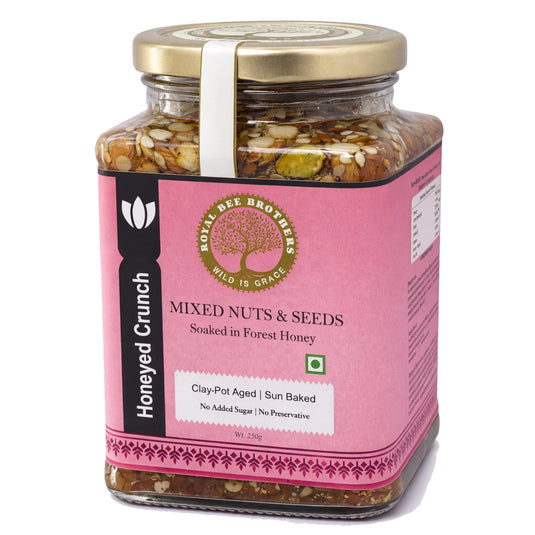
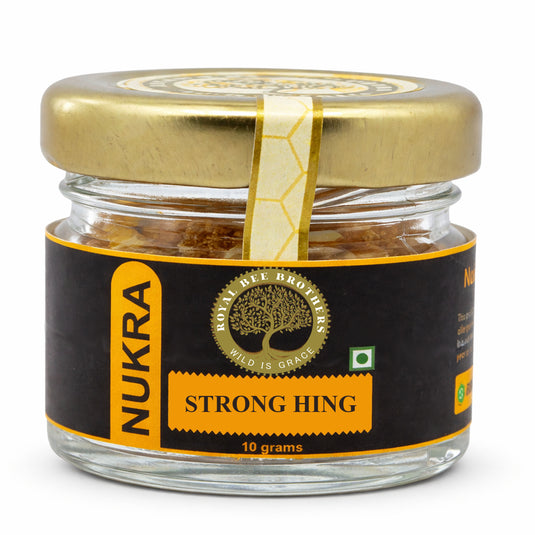
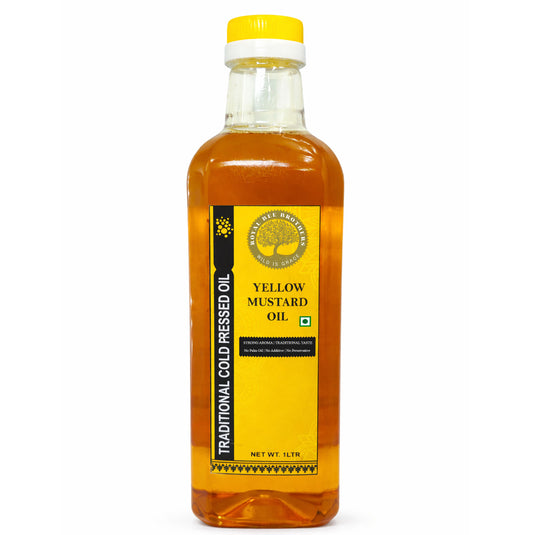
Forest Picks You'll Love
Behind every product lies a story of dedicated communities, thriving forests, and generations of traditional knowledge. Discover nature's finest treasures, thoughtfully sourced and carefully crafted with respect for people, forests, and sustainable practices.
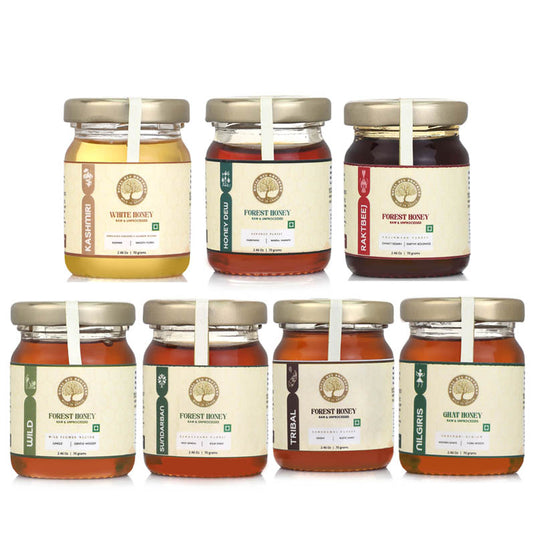
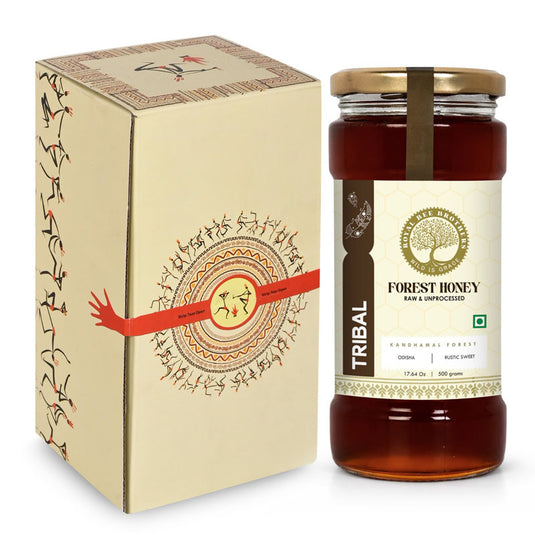




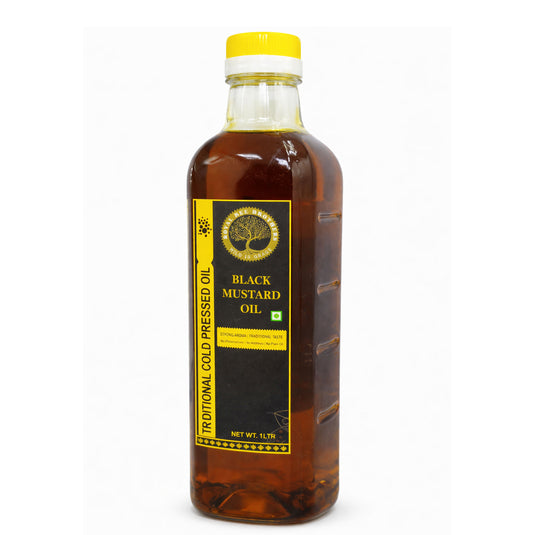
Heritage Forest Chronicles
Tales of the Forests
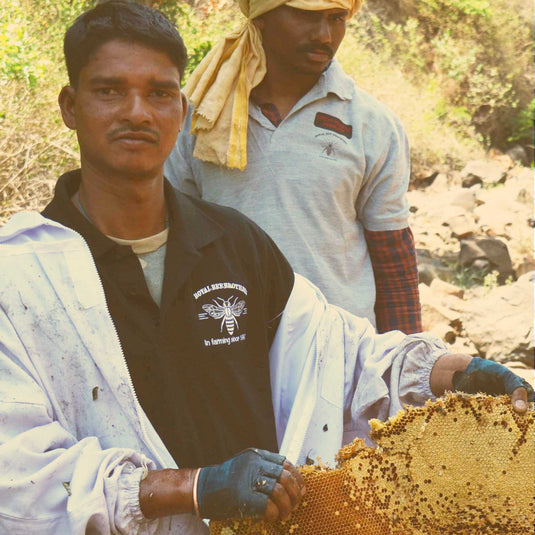
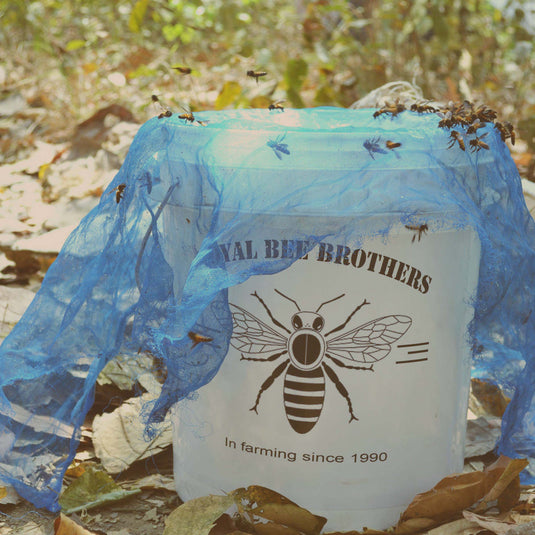
Step into India’s untouched wilderness where generations of traditional honey hunters move silently through ancient forests, harvesting wild forest honey with time-honored, sustainable methods. Each journey reflects resilience, heritage, and a profound harmony between humans and nature—preserving a craft that nature itself has perfected.
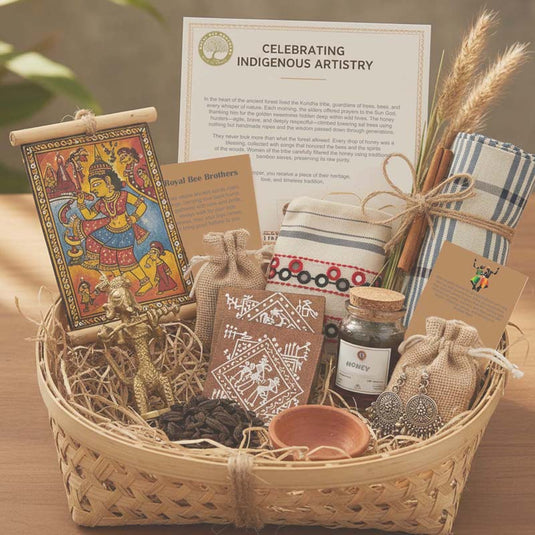
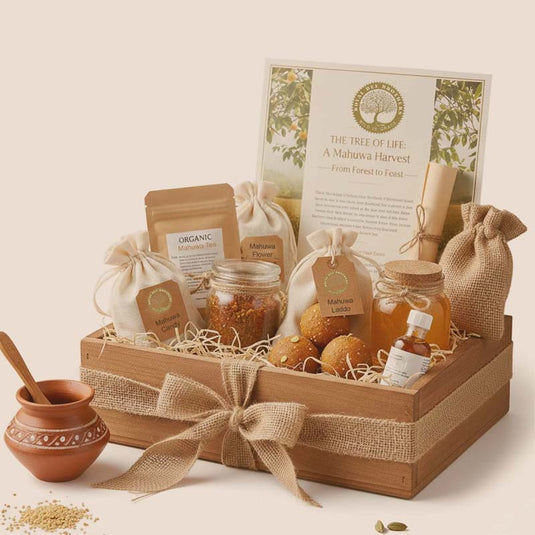
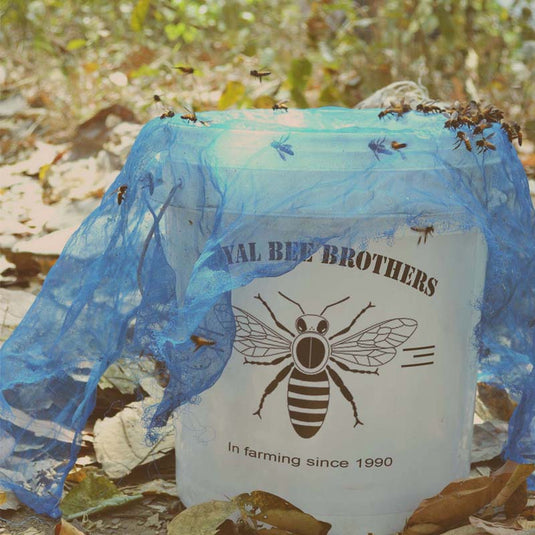
Step Into the Wild Forest World
Into The Wild
Behind every jar of natural honey lies a story of dedicated beekeepers, thriving forests, and generations of expertise. Experience pure, sustainably sourced honey and forest produce crafted with care and respect for nature.