Everything You Need to Know About Our Honey
FAQs About Buying Raw Forest Honey Online in India
Raw honey is generally preferred by many natural food lovers because it retains more of its original enzymes, pollen, aroma, and natural compounds. Processed honey is often heated and filtered, which may reduce some of these naturally occurring properties.
To decrystallize honey, place the jar in warm water and let it slowly return to liquid form. Avoid direct flame, boiling, or microwaving, as excessive heat can damage natural enzymes and nutrients in raw honey. Read More
Raw honey is honey in its purest natural form, collected directly from the hive and minimally processed to retain its original aroma, taste, enzymes, pollen traces, and natural nutrients. Unlike heavily processed honey, raw honey is not excessively heated or ultra-filtered. This helps preserve its natural character, floral complexity, and the authentic essence of the forests or flowers it comes from. Read More
All our products are 100% natural, chemical-free, and deeply rooted in the rich forests of India and the art, culture, and traditions of tribal communities.
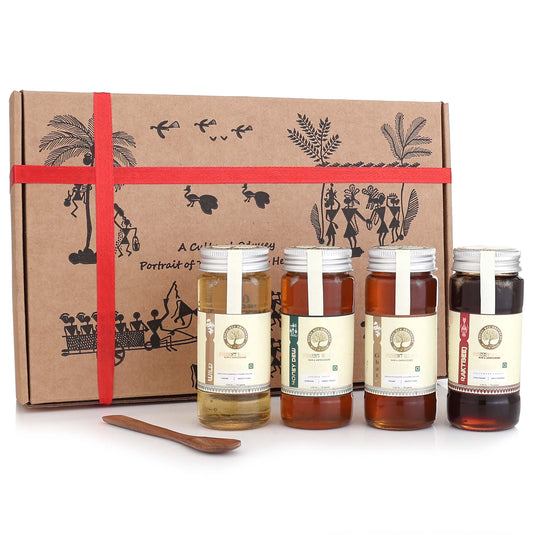
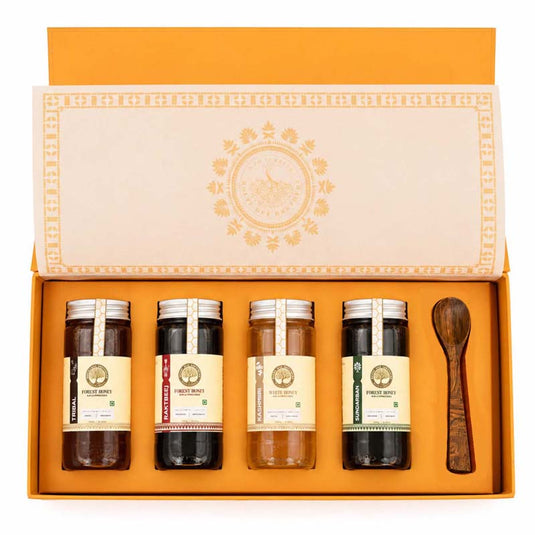
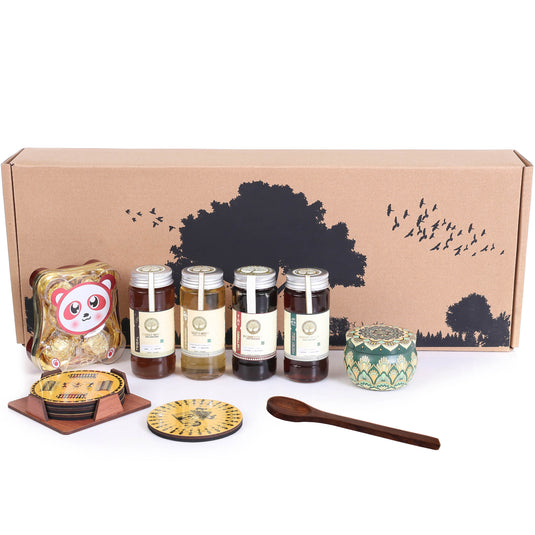
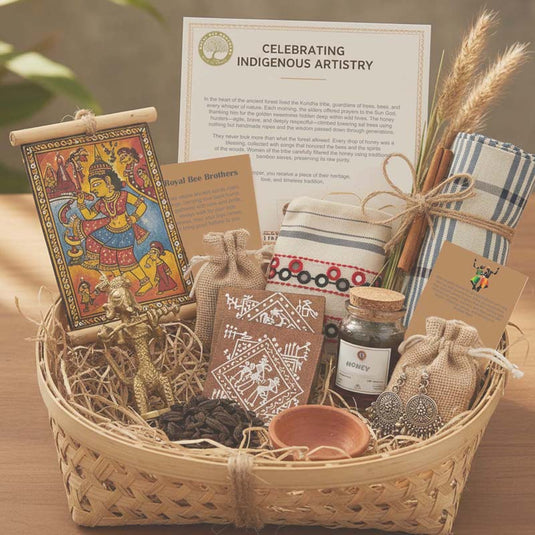
Our collection includes pure forest honey, raw wild honey sourced from diverse forest regions across India, sun-baked Gulkand, Moringa,honey-soaked seeds and nuts, handcrafted gift hampers, and other authentic forest wellness products. Every product is carefully curated to preserve its natural goodness, traditional value, and purity—without artificial chemicals or preservatives. By choosing our offerings, you experience the true essence of natural forest products, while also supporting tribal livelihoods, sustainable harvesting, and the preservation of India’s unique forest heritage.
Honeybees collect nectar from flowers, store it in their honey stomach, and return to the hive. There, they pass it between bees, reducing moisture and adding enzymes. The nectar is then stored in honeycomb cells, where it ripens naturally into pure, delicious honey for the colony.
Read More
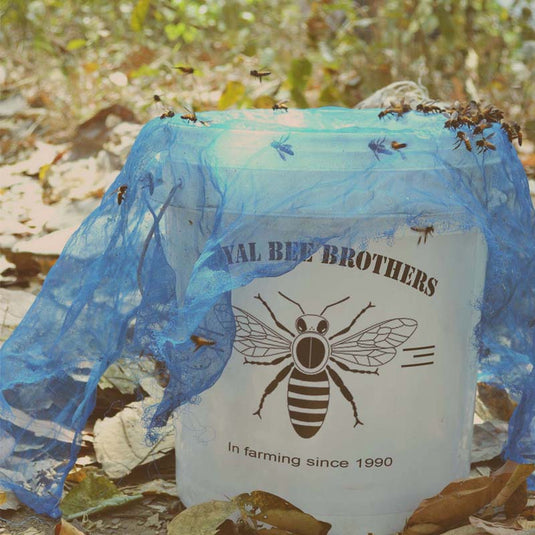
Our forest honey is sourced from India’s most pristine and biodiverse wild landscapes, including the Himalayan foothills, Western Ghats, Saranda, Katarniyaghat, Abujhmarh, Kandhamal, and the forests of Northeast India. Here, indigenous honeybees build their hives high on tall forest tree branches, gathering nectar from rare native blossoms untouched by commercial farming. Harvested with care by skilled honey hunters and local communities using traditional methods, this raw forest honey is minimally filtered to preserve its natural purity, rich aroma, complex flavor, and the true essence of India’s wild forests. Read More
Royal Bee Brothers offers raw forest honey sourced from India’s wild forests, where indigenous honeybees gather nectar from diverse native flora. Unlike most commercial branded honey, which is often heavily filtered, blended, or heat-processed for uniformity, our honey is minimally filtered and carefully preserved in its natural form. This keeps its authentic aroma, regional character, rich taste, and natural goodness intact. Read More
We are testing every batch of our honey in NABL certified lab and some of the key analyses are:
Adulteration, Physico-Chemical, Nutritional, Microbiological and Chemical analysis.
You can view the latest test report here: Honey Test Reports
Home tests like the water test, flame test, or thumb test are popular, but they are not scientifically reliable. The most accurate way to verify honey purity is through certified laboratory analysis, which checks for adulteration, moisture, sugar profile, and overall quality. Read More
Raw honey is generally safe to consume for most adults and older children, especially when it is sourced from a trusted brand and handled with care. Unlike heavily processed honey, raw honey retains its natural enzymes, antioxidants, and beneficial compounds. However, raw honey should never be given to infants under one year of age. When properly harvested, minimally filtered, and stored well, pure raw honey is a safe, wholesome, and natural alternative to refined sugar and processed sweeteners.
Raw honey should never be given to infants under one year of age because their digestive and immune systems are still developing. In rare cases, natural spores such as Clostridium botulinum may survive in a baby’s gut. For older children and adults, high-quality raw honey is generally safe when sourced responsibly.
Raw honey has been valued in traditional wellness practices for centuries and is known for its natural protective properties. Unheated, unprocessed honey may naturally contain small amounts of hydrogen peroxide (H₂O₂), along with a low pH, which contribute to its cleansing and soothing qualities. Because raw honey is minimally processed, it better preserves these natural compounds, enzymes, and antioxidants. This is one reason raw honey is often preferred over heavily heated or ultra-filtered commercial honey. Read More
If the same honey tastes different in another jar, it’s completely natural. Raw honey varies by season, floral source, region, and harvest time, which can change its taste, aroma, color, and texture. Bees collect nectar from different flowers throughout the year, so every batch of pure natural honey is unique. These subtle differences are a sign of authentic, unprocessed honey, not a defect.
There is no single “best” honey—the best honey depends on your taste preference and how you want to use it. Just like fine wine, the taste, color, aroma, and texture of raw forest honey depend on the flowers visited by the bees and the region where it is harvested.
At Royal Bee Brothers, every honey has its own unique character. Raktbeej Honey is thick, dark, woody, and moderately sweet—perfect with milk, bread, or fruit salad. Tribal Forest Honey is mild, smooth, and mellow, making it ideal with lemon and lukewarm water or enjoyed directly.
That’s why we offer a wide range of raw, unprocessed forest honeys including Multiflora, Wild Forest, Tribal Forest, Raktbeej Honey, Essence of Seven Sisters, Sundarbans Honey, and Tropical Forest Honey—so you can find the one that best suits your palate and daily use.
In short: the best honey is the one that matches your taste, wellness routine, and purpose.
Crystallization is a natural sign of pure honey. Raw honey contains natural glucose, which can form crystals over time. Temperature, floral source, and storage conditions affect how quickly it crystallizes. Crystallized honey is still safe, delicious, and often a sign that it is unprocessed. Read More
Honey and sugar differ in calories by serving size and density. Per teaspoon, honey contains about 21 calories and sugar about 16 calories. However, honey is naturally sweeter, so less may be needed for the same sweetness. Technically, honey also contains trace minerals, enzymes, and moisture, while refined sugar provides only empty calories with no added nutritional value.
The sweetness of honey varies based on its floral source and natural composition. Honey primarily contains fructose and glucose, and the balance between these sugars affects taste. For instance, clover honey is naturally sweeter due to higher fructose. Water content, bee species, climate, and soil conditions also influence its sweetness and density. Each type of honey, from forest to tribal varieties, offers a unique flavor profile, making every jar distinct in taste, aroma, and natural sweetness.
The taste of raw forest honey depends on the type of trees and flowers the bees gather nectar from. Every plant species produces nectar with unique natural characteristics, which gives each honey variety its own distinct flavor, aroma, color, and texture.
Forest honeycombs from wild bee hives are a natural source of pure beeswax. After harvesting honey, the combs are carefully processed to extract beeswax, which is used in candles, skincare, cosmetics, and crafts. Using forest honeycombs ensures chemical-free, sustainable, and high-quality beeswax with natural aroma and texture.
Honeydew Honey is known as India's own Manuka Honey.Honeydew honey is known to be one of the most unique, most intriguingly exotic honeys in the world. In India, when we think of honey, most of us assume that honey made from floral sources (blossom nectar). Generally, honeybee collects the various type of flower nectar, mixed with "bee enzyme" which is secreted from the bee's glands and produces honey. So, when we are saying it is Mustard Honey, Jamun Honey, eucalyptus honey or litchi honey so here we are saying that honeybees have collected the nectar of mustard flower and produces mustard honey similarly nectar of Jamun flower has been collected by honeybees to produce Jamun honey etc.
However, some of the Indian forest in Himanchal and Jammu & Kashmir has been considered as a good source of non-floral honey which is known as "Honeydew Honey" or also known as "Tree Honey". Honeybees harvest the Tree Honey or Honeydew from the leaves, bark of trees, leaves and sap producing trees. There are some tiny insects eat the tree’s sap, and then poo this liquid that we can see on leaves or barks. Honeybees collects this liquid from trees to produce honey.
Some of the most common sap producing trees are Pine, Oak, Poplar, Peach, Beech etc. Honeydew is lesser known is India, however, it is very popular in U.S. and Europe. Honeydew is a sticky liquid, high in sugar content, high viscosity, dark brown in color, rich in amino acid, high in both peroxide and non-peroxide types of antibacterial effects and more effective antibacterial activity than both Kanuka and Manuka honey, which are used as medical-grade honeys. Contact us for more details.
Honey never really goes off as it contains a high amount of glucose and fructose. We print best before dates on all our packaging and recommend that the honey is consumed before this date. The best before or expiry date on a honey package is a legal requirement. In India, consumer law requires honey to have a best before date having said this if honey is stored in airtight food grade container it can last indefinitely. That is why the honey found in the pyramids was still edible.
Choosing forest honey over commercially processed box honey offers several distinct advantages. Forest honey, sourced directly from wild hives in natural environments, is typically richer in nutrients, enzymes, and antioxidants compared to its processed counterparts. Unlike box honey, which often undergoes extensive filtration and pasteurization, forest honey retains its natural, unprocessed qualities, including beneficial compounds that may be lost during industrial processing. Forest honey also boasts unique flavors and aromas derived from the diverse range of nectar sources found in forest ecosystems. This not only enhances its taste but also provides a more authentic and varied sensory experience. Additionally, supporting forest honey helps promote sustainable practices and conservation efforts, as it is often harvested in smaller, eco-friendly operations that prioritize environmental health. By choosing forest honey, consumers benefit from a purer, more nutritious product while contributing to the preservation of natural habitats and supporting local beekeepers.
For people with diabetes, it is important to keep blood sugar levels under control. While honey has a lower glycemic index than table sugar, it is still a source of carbohydrates and can raise blood sugar levels. Therefore, it is generally recommended that people with diabetes should consume honey in moderation and in consultation with their healthcare provider.
Honey is an important agricultural product in India, with the country being one of the largest producers of honey in the world. According to the National Bee Board, India produced over 1,95,000 tones of honey in the financial year 2023-2024.
Forest honey, a natural elixir harvested from the nectar of wildflowers and trees, has long been revered for its medicinal properties. This variety of honey, often darker and richer in flavor compared to its commercial counterparts, is packed with nutrients and antioxidants, making it a potent ingredient in natural remedies.
One of the primary benefits of forest honey is its powerful antibacterial and antifungal properties. These attributes make it an effective natural remedy for treating wounds and preventing infections. Applying forest honey to minor cuts, burns, or abrasions can speed up the healing process by creating a protective barrier and promoting tissue regeneration.
In addition to its topical uses, forest honey is a well-known remedy for respiratory ailments. Its soothing properties can help alleviate symptoms of coughs, colds, and sore throats. Consuming a spoonful of forest honey with warm water, lemon, or ginger can provide relief from throat irritation and boost the immune system, helping the body fend off infections more effectively.
Forest honey also plays a role in digestive health. It acts as a prebiotic, encouraging the growth of beneficial bacteria in the gut, which aids in digestion and improves overall gut health. This can be particularly beneficial for individuals suffering from conditions like irritable bowel syndrome (IBS) or gastritis.
Moreover, the antioxidant properties of forest honey help combat free radicals in the body, reducing oxidative stress and lowering the risk of chronic diseases such as heart disease and cancer. Its anti-inflammatory effects can also alleviate symptoms of inflammatory conditions like arthritis.
In summary, forest honey is a versatile and potent natural remedy, offering a range of health benefits from wound healing and immune support to digestive health and chronic disease prevention. Its rich nutritional profile and medicinal properties make it a valuable addition to any natural health regimen.
Forest honey, a natural sweetener collected from wildflowers in forested areas, has gained popularity as a beneficial aid for weight loss. Unlike processed sugars, forest honey contains a mix of natural sugars, enzymes, minerals, and antioxidants that offer a healthier alternative to refined sweeteners. This nutrient-rich profile not only adds flavor to foods but also supports overall health, making it an excellent choice for those looking to shed extra pounds.
One of the key factors in weight loss is maintaining a balanced diet with controlled calorie intake. Forest honey, being a natural source of sweetness, allows individuals to satisfy their sweet cravings without resorting to unhealthy, high-calorie snacks. It can be used as a substitute for sugar in tea, coffee, and various recipes, thereby reducing overall calorie consumption. Additionally, forest honey has a lower glycemic index compared to refined sugars, meaning it causes a slower, more gradual rise in blood sugar levels. This helps in preventing spikes in blood sugar and insulin, which are often associated with increased fat storage and weight gain.
Combining honey, lemon, and lukewarm water is a popular natural remedy for weight loss. This mixture is believed to boost metabolism, aiding in fat burning. Honey provides natural sweetness and essential nutrients, while lemon adds vitamin C and antioxidants that help detoxify the body. Drinking this concoction on an empty stomach in the morning can improve digestion, promote hydration, and support overall health. It's a simple yet effective addition to a balanced diet and regular exercise routine for achieving weight loss goals.
Moreover, forest honey is known for its potential to boost metabolism. The natural enzymes present in honey help in better digestion and improved metabolism, facilitating the body’s ability to burn fat more efficiently. When consumed in moderation, forest honey can provide a quick source of energy, helping individuals stay active and engage in regular physical exercise, which is crucial for weight loss.
Incorporating forest honey into a balanced diet, combined with a healthy lifestyle, can be a sustainable and enjoyable way to achieve weight loss goals. It’s important to remember that moderation is key, as excessive consumption of any sweetener can counteract its benefits. However, when used wisely, forest honey can be a valuable addition to a weight loss regimen, providing both nutritional benefits and a natural, satisfying sweetness.
Forest Honey and regular honey are both natural sweeteners, but they differ in origin, composition, and benefits. Understanding these differences can help consumers make informed choices based on their dietary needs and preferences.
Origin and Production
Forest honey, also known as wild honey, is harvested from bees that collect nectar from a diverse range of wildflowers and trees in forested areas. This type of honey is often produced in remote or less disturbed environments, where bees have access to a variety of plant species. The nectar source in these environments can include medicinal plants, wild herbs, and trees, contributing to the unique characteristics of forest honey.
In contrast, regular honey, sometimes referred to as commercial honey, is produced in managed apiaries where bees primarily forage on specific crops or flowers cultivated for honey production. This type of honey often comes from large-scale beekeeping operations and may be produced from monocultures or a limited range of plant species.
Composition and Flavor
Forest honey tends to have a complex flavor profile due to the variety of nectar sources. It often features rich, robust flavors with hints of the diverse plants from which the nectar was gathered. The color of forest honey can range from light amber to dark brown, depending on the predominant nectar sources and the geographical region.
Regular honey, on the other hand, may have a more uniform taste and color. It is often lighter in color and flavor, especially if it comes from a single type of flower or a limited range of plants. The flavor can be less varied, reflecting the specific floral sources used in its production.
Nutritional Benefits
Both forest honey and regular honey contain essential nutrients such as vitamins, minerals, and antioxidants. However, forest honey is often considered superior in terms of its nutritional profile due to the diverse nectar sources. It typically contains higher levels of antioxidants, including phenolic compounds, which are known for their potential health benefits. These antioxidants can help combat oxidative stress and inflammation in the body.
Regular honey, while still beneficial, may have fewer antioxidants and nutrients compared to forest honey. The nutritional content of regular honey can vary based on the floral sources and the processing methods used.
Processing and Purity
Forest honey is often collected and processed with minimal interference, preserving its natural qualities. It is frequently raw and unfiltered, which means it retains more of its natural enzymes, pollen, and other beneficial compounds. This raw form of honey can offer more health benefits and maintain its unique flavors.
Regular honey, especially when commercially produced, may undergo extensive processing, including filtration and pasteurization. These processes can remove pollen, enzymes, and some of the beneficial nutrients, potentially reducing the honey’s overall health benefits and altering its flavor.
Health and Environmental Considerations
Forest honey is often associated with sustainable and eco-friendly practices. It supports biodiversity and the conservation of natural habitats by encouraging the protection of forest ecosystems. Additionally, the natural, unprocessed nature of forest honey aligns with health-conscious choices.
Regular honey production can sometimes involve large-scale farming practices that may not always be environmentally friendly. The impact on bee populations and the use of monoculture crops can affect the sustainability of commercial honey production. Choosing honey from reputable sources and supporting local beekeepers can help mitigate these concerns.
Conclusion
Both forest honey and regular honey offer unique qualities and benefits. Forest honey stands out for its complex flavor, superior nutritional profile, and minimal processing, while regular honey provides a more consistent product with varying degrees of processing. Consumers looking for a richer taste, higher nutritional value, and eco-friendly options may prefer forest honey, while those seeking a more accessible and uniform product might opt for regular honey. Ultimately, the choice between the two depends on personal preferences and values related to taste, health, and environmental impact.
Forest honey contains natural sugars, trace minerals (iron, zinc, potassium), vitamins, enzymes, amino acids, antioxidants, and organic acids. Its composition varies with forest vegetation, making it more nutrient-rich than commercial honey.
Raw forest honey is minimally filtered, so traces of pollen, propolis, or wax may remain. These natural elements enhance authenticity and add nutritional value.
Yes. Its flavor, aroma, and nutritional profile change with flowering seasons and forest bloom cycles, giving unique variations year-round.
Yes, forest honey can ferment if its moisture content is high or if it is stored improperly. Raw forest honey contains natural yeasts, so if harvested early or exposed to humidity, it may develop bubbles, a sour smell, or slight fizz. Properly matured and well-stored forest honey usually remains stable naturally.
India is one of the world’s richest countries in honey varieties because of rich biodiversity.
Honey in India is classified based on bee species, source of nectar, and geographical origin. Some of the honey varieties available in India are:
1. Jamun (Java Plum) Honey
Jamun honey is dark, slightly bitter-sweet, and rich in minerals. Derived from the nectar of Jamun (Syzygium cumini) flowers, it’s considered beneficial for managing blood sugar, digestion, and oral health. Popular in India, especially in Uttar Pradesh and Madhya Pradesh, this honey is valued for its medicinal properties.
2. Litchi (Lychee) Honey
Harvested during the short litchi flowering season, this honey is light, aromatic, and delicately sweet. It has a pale golden color and mild fruity taste. Commonly sourced from Bihar and Uttarakhand, litchi honey is rich in antioxidants and vitamins, making it popular for children and daily use in households.
3. Mustard Honey
Produced during mustard bloom season in North India, this honey crystallizes quickly into a smooth, creamy texture. It has a sharp, tangy aftertaste and light yellow color. Rich in natural glucose, it’s used for instant energy, cough relief, and digestive support. Popular in rural communities and winter diets.
4. Eucalyptus Honey
Dark and medicinal in flavor, eucalyptus honey comes from eucalyptus tree blossoms widely planted across India. It carries a strong aroma with herbal, slightly medicinal notes. Traditionally, it is consumed to relieve colds, coughs, respiratory infections, and sore throats. Its antibacterial qualities make it a natural healing remedy.
5. Sunflower Honey
Golden yellow and mildly tangy, sunflower honey is harvested from sunflower fields across India. It crystallizes rapidly, forming fine granules. With high glucose and antioxidant content, it boosts immunity and provides instant energy. Farmers and rural communities often consume it fresh after harvest for daily health and stamina.
6. Acacia Honey
Acacia honey is light-colored, clear, and slow to crystallize. Produced from acacia tree blossoms in Northern India, it has a mild, floral sweetness with no overpowering aftertaste. Known for its soothing effect on the digestive system, it is often used in tea and as a sugar substitute.
7. Sidr (Jujube) Honey
Harvested from Sidr (Ziziphus) trees in Rajasthan and parts of India, this honey is amber-colored, thick, and luxuriously sweet. It is prized in traditional medicine for strengthening immunity, supporting liver health, and boosting vitality. Sidr honey is among the most sought-after premium varieties in Indian and Middle Eastern markets.
8. Neem Honey
Neem honey has a dark color and distinctive bitter-sweet flavor. It is produced from the nectar of neem tree blossoms, widely known for medicinal value. Used as a natural detoxifier, it supports liver function, digestion, and skin health. Neem honey is valued in Ayurveda as a therapeutic daily tonic.
9. Ajwain (Carom) Honey
Ajwain honey is rare and highly medicinal, made from ajwain (carom seed) blossoms. It has a strong herbal aroma and slightly pungent taste. Known for its digestive properties, it helps relieve indigestion, acidity, and bloating. Farmers in Rajasthan and Madhya Pradesh produce this variety during ajwain bloom season.
10. Coriander Honey
Coriander honey is aromatic, slightly spicy, and unique in taste. Produced from coriander crop blossoms, mainly in Rajasthan and Madhya Pradesh, it is rich in essential oils that aid digestion and boost immunity. This honey is also known to improve appetite and reduce stomach disorders naturally, making it highly valued.
11. Cotton Flower Honey
Cotton honey is light-colored, smooth, and mildly sweet, collected from cotton crop blossoms in India’s farming belts. It has a neutral flavor, making it versatile for culinary uses. With high energy content and natural enzymes, it is consumed for vitality and preferred by those seeking a gentle, light honey.
12. Shisham (Indian Rosewood) Honey
Shisham honey is derived from Dalbergia sissoo blossoms and has a golden-amber color with earthy undertones. Known for its antioxidant and anti-inflammatory properties, it is used in Ayurveda for improving blood circulation and joint health. Harvested in northern India, this honey has a distinct woody aroma and medicinal benefits.
13. Karanj (Pongamia) Honey
Karanj honey is produced from Pongamia tree flowers found in central India. It has a strong aroma with slightly bitter notes. Traditionally used in rural areas for treating skin issues and digestive ailments, this honey is valued for its antibacterial qualities and is often used as a medicinal household remedy.
14. Bamboo (Bansa) Honey
Bamboo honey is rare and collected from bamboo flower nectar in forest regions. With a mild, earthy taste, it is believed to aid in strengthening bones and immunity. Its uniqueness comes from the short bamboo blooming season, making it one of the specialty honeys harvested by tribal communities in India.
15. Jhanti (Wild Flower) Honey
Jhanti honey is a wild multifloral honey sourced from forests where local wildflowers bloom. Its taste profile varies by season, often tangy and aromatic. Harvested by tribal communities, it is known for strengthening immunity and being rich in trace minerals, offering a naturally balanced nutritional profile from diverse flora.
16. Forest / Wild Honey (Multiflora)
Wild honey is harvested from untouched forest ecosystems, where bees forage from numerous flowering trees and plants. Its flavor is rich, complex, and often dark in color. Tribal groups traditionally collect it, ensuring sustainability. This honey is nutrient-dense, antimicrobial, and prized for its authentic, raw, and chemical-free properties.
17. Himalayan Mountain Honey
Collected from high-altitude bee colonies, Himalayan honey is multifloral and rich in antioxidants. Its taste varies from floral to slightly pungent, depending on seasonal blooms. Known for its medicinal benefits, it supports respiratory health and immunity. It is highly sought-after for its purity and wellness value in Ayurveda practices.
18. Nilgiri (Western Ghats) Honey
Nilgiri honey originates from the Western Ghats forests in Tamil Nadu, Kerala, and Karnataka. Bees forage from medicinal plants and wildflowers, resulting in a honey with a strong, herbal flavor. Popular for its therapeutic value, this honey is traditionally consumed for boosting stamina and relieving seasonal coughs and colds.
19. Sundarbans Mangrove Honey
Harvested from the mangrove forests of West Bengal, Sundarbans honey has a deep amber color and unique salty-sweet taste. Local honey hunters, known as “Moulis,” collect it from wild hives in challenging environments. It is rich in minerals and antioxidants, reflecting the mangrove ecosystem’s unique biodiversity.
20. BR Hills (Biligirirangana) Honey
Sourced from the tribal forests of BR Hills in Karnataka, this honey is multifloral and highly aromatic. Collected by Soliga tribes, it has cultural significance and is sold as a livelihood product. Known for its purity, it is unprocessed, rich in enzymes, and supports biodiversity conservation in the region.
21. Palash (Flame of the Forest) Honey
Palash honey is harvested from Butea monosperma blossoms, also known as the “Flame of the Forest.” It has a reddish-amber color and earthy sweetness. Traditionally valued for fertility and vitality in Ayurveda, this honey also supports urinary health and is collected in central and northern Indian forest regions.
22. Mahua Honey
Mahua honey is sourced from Madhuca longifolia flowers, widely used in tribal India. Its taste is robust, slightly fermented, and unique. Traditionally, Mahua is used for liquor brewing, but its honey form is consumed for energy and digestive health. Tribal communities of Chhattisgarh and Jharkhand mainly harvest this rare type.
23. Sal Tree Honey
Sal honey comes from Shorea robusta forests in central India. It has a dark, thick texture with medicinal properties. Traditionally, it is consumed for respiratory relief and boosting stamina. Sal tree blossoms attract bees in large numbers, producing highly nutrient-rich honey with cultural importance among tribal forest-dwelling communities.
24. Mango Flower Honey
Mango honey is collected during mango tree flowering season in India’s orchards. It has a mild fruity aroma with a subtle mango aftertaste. This honey is golden and smooth, often used in desserts and beverages. Farmers in Uttar Pradesh and Bihar harvest it in spring when mango flowers bloom.
25. Tulsi (Holy Basil) Honey
Tulsi honey is infused with the nectar of holy basil blossoms, giving it a medicinal aroma and herbal sweetness. Widely used in Ayurveda, it helps strengthen immunity, support respiratory health, and relieve stress. Tulsi honey is consumed daily with warm water or tea for therapeutic benefits in Indian households.
26. Moringa (Drumstick) Honey
Moringa honey is sourced from the drumstick tree’s blossoms, popular in southern India. It has a light amber color with earthy, herbal notes. Rich in antioxidants and vitamins, it supports liver health, digestion, and immunity. This honey is increasingly marketed as a superfood due to Moringa’s global medicinal reputation.
27. Amla (Indian Gooseberry) Honey
Amla honey combines the medicinal power of gooseberry blossoms with bee nectar. Known for its tangy undertones, this honey is rich in vitamin C and antioxidants. Traditionally used to improve immunity, digestion, and skin health, it is valued in Ayurveda for rejuvenation and consumed widely across rural Indian households.
28. Kurinji (Neelakurinji) Honey
Kurinji honey is harvested from the rare Neelakurinji flowers that bloom once every 12 years in South India’s Nilgiri hills. This honey is rare, aromatic, and highly medicinal, with subtle floral sweetness. It is treasured for boosting vitality, enhancing stamina, and considered a cultural specialty during flowering years.
29. Karung Kurinji Honey
Karung Kurinji honey is a regional variety of kurinji flower honey from Tamil Nadu. It has a deep amber hue with intense floral richness. Believed to possess aphrodisiac qualities, it is prized in traditional medicine. Its limited flowering cycle makes it rare, costly, and cherished among wellness-focused consumers.
30. Mudakathan (Velvet Bean) Honey
Mudakathan honey is derived from velvet bean flowers in southern India. Known for its herbal taste, this honey is used in Ayurveda to treat joint pain and arthritis. It has anti-inflammatory properties and is often consumed as a therapeutic honey for maintaining flexibility and reducing inflammation naturally.
31. Thumbai Flower Honey
Thumbai honey is harvested from Leucas aspera (Thumbai) blossoms found in southern India. It has a light golden color and subtle floral taste. Traditionally, it is used to treat coughs, cold, and respiratory discomfort. Its soothing properties make it popular in Ayurveda as a natural remedy for seasonal ailments.
32. Paalai Poo Honey
Paalai poo honey is rare and derived from the Paalai flower, a culturally significant plant in Tamil traditions. This honey has a distinctive herbal sweetness and is considered rejuvenating. Folk medicine credits it with improving stamina and fertility, while tribal communities value it for its cultural and nutritional importance.
33. Kombu / Little Bee Honey (Apis florea)
Produced by tiny Apis florea bees, Kombu honey is rare and highly medicinal. Bees build small combs on bushes and branches, yielding limited quantities. The honey is tangy, nutrient-dense, and used in traditional remedies for fevers, cough, and weakness. Its scarcity makes it valuable in rural forest regions.
34. Stingless Bee (Dammar) Honey
Collected from stingless bees (Meliponini), this honey is extremely rare, sour, and rich in medicinal properties. It is produced in very small quantities in bamboo hives or natural crevices. Traditionally used for eye health, wound healing, and immunity, dammar bee honey is regarded as highly therapeutic in Ayurveda and tribal medicine.
35. Rock Bee (Apis dorsata) Honey
Harvested from giant hives on tall trees and cliffs, rock bee honey is dark, strong in flavor, and nutrient-rich. Tribal honey hunters collect it seasonally, often risking their lives. This honey is highly valued for stamina, strength, and immune-boosting properties, making it one of India’s oldest forest honeys.
36. Indian Hive Bee (Apis cerana indica) Honey
This honey is produced by the indigenous Apis cerana indica, a traditional hive bee reared in rural India. It is multifloral, varying in taste and color based on season and location. Known for being balanced in sweetness and minerals, it is commonly used for household and therapeutic consumption.
37. European Bee (Apis mellifera) Honey
Apis mellifera honey is farmed on a commercial scale in India, especially in Punjab, Himachal, and Uttarakhand. This species produces large volumes of monofloral honeys such as mustard and litchi. Its honey is light, smooth, and widely available, forming the backbone of India’s organized apiculture industry.
38. Cavity / Tree-Hive Honey
Cavity honey is collected from wild bee colonies that nest inside tree hollows in forests. This honey is dark, thick, and filled with pollen and propolis. It is traditionally harvested by tribal communities and consumed raw, believed to enhance stamina and immunity due to its high natural biodiversity.
39. Comb Honey
Comb honey is honey still sealed in its natural beeswax comb. It is consumed by chewing directly on the waxy hexagons, offering an authentic taste of raw honey. Highly valued for purity, comb honey retains all natural enzymes, pollen, and flavor, making it a specialty product in urban markets.
40. Raw (Unprocessed) Honey
Raw honey is directly extracted from hives without heating or pasteurization. It retains natural pollen, enzymes, antioxidants, and trace minerals. With a thick texture and rich taste, raw honey is considered superior for health. It is commonly marketed as a wellness product across India’s urban and rural regions.
41. Pasteurized / Processed Honey
Pasteurized honey is heated and filtered to increase shelf life and clarity. While it looks smooth and uniform, heating can reduce enzymes and antioxidants. It is widely available commercially in India, often in supermarkets. Despite some nutrient loss, it is preferred for culinary use due to longer storage and consistent quality.
42. Filtered Honey
Filtered honey is strained to remove wax, pollen, and impurities while retaining most natural sugars and aroma. It is clearer and smoother, making it visually appealing for retail. Popular in India’s packaged honey market, filtered honey offers convenience but may slightly reduce certain medicinal properties compared to raw honey.
43. Creamed / Whipped Honey
Creamed honey is mechanically whipped to create a smooth, spreadable consistency without crystallization. It retains natural flavor and nutrients while offering easy usage for toast, desserts, or cooking. In India, creamed honey is gaining popularity as a premium product for urban consumers seeking convenience without sacrificing purity.
44. Granulated / Crystallized Honey
Granulated honey naturally crystallizes over time due to glucose precipitation. The texture becomes grainy but remains safe and nutritious. Many Indian households prefer it as it is easier to scoop. Crystallized honey can be gently warmed to restore liquid form, preserving all its enzymes and medicinal properties.
45. Black Honey / Dark Forest Honey
Black honey is dense, dark amber, and rich in minerals, collected from wild forests. Its flavor is strong and complex, often slightly bitter. This honey is prized for its antioxidant, antimicrobial, and immunity-boosting properties. Tribal communities harvest it carefully to maintain hive sustainability and ecosystem balance.
46. Coffee Flower Honey
Produced in Karnataka and Kerala coffee plantations, this honey is harvested from coffee blossoms. It has a light caramel color with a subtle coffee aroma and mild sweetness. Known for its unique flavor profile, coffee honey is often consumed as a gourmet product and considered beneficial for energy and metabolism.
47. Orange Blossom / Citrus Honey
Orange blossom honey comes from orange, kinnow, or sweet lime flowers. It is light, fragrant, and slightly tangy. Popular in North and South India, it is consumed for its refreshing taste and mild medicinal properties, including aiding digestion and boosting immunity. It is often used in desserts, tea, and spreads.
48. Apple Blossom Honey
Harvested from apple orchards in Himachal Pradesh and Kashmir, apple blossom honey is light-colored with a fruity aroma. Its subtle sweetness makes it ideal for culinary use. Rich in antioxidants, this honey supports immunity and cardiovascular health, and is traditionally consumed in winter months for energy and wellness.
49. Clover Honey
Clover honey, though less common in India, is produced where clover grows in temperate regions. It is pale, mild, and slightly floral in taste. Known for its easy digestibility, it is popular among children and adults alike. It is valued as a versatile honey suitable for cooking and medicinal uses.
50. Sunth (Ginger) Infused Honey
Sunth honey combines ginger (Sunth) and honey for a spicy-sweet, therapeutic blend. It is commonly used in Ayurveda to improve digestion, relieve cold and cough symptoms, and boost immunity. Popular in India, this honey is consumed in small doses daily as a natural remedy for respiratory and digestive health.
51. Ginger + Honey Blend
This blend combines raw honey with fresh ginger extract, producing a spicy-sweet medicinal honey. Popular in Indian households, it aids digestion, reduces nausea, and strengthens immunity. Often used in tea or warm water, ginger honey is a traditional remedy for cold, cough, and joint inflammation while enhancing metabolic health.
52. Amla + Honey Blend
Amla honey combines Indian gooseberry extract with raw honey. Rich in vitamin C and antioxidants, it boosts immunity, improves digestion, and supports skin health. Traditionally consumed in Ayurveda, it helps combat seasonal ailments and enhances vitality. This blend is increasingly marketed as a daily wellness supplement across India.
53. Dates Preserved in Honey
Dates infused in honey create a nutrient-dense tonic rich in natural sugars, vitamins, and minerals. Common in festive Indian households, this preparation aids energy, digestion, and stamina. It combines the antioxidant properties of honey with the iron and fiber from dates, making it a wholesome and traditional health product.
54. Cardamom-Infused Honey
Cardamom honey is lightly sweet with aromatic spicy notes from green cardamom. Used in desserts, teas, and Ayurvedic remedies, it promotes digestion, reduces bloating, and supports respiratory health. Produced in regions with cardamom cultivation, this honey blend is valued for flavor as well as functional medicinal properties.
55. Saffron (Kesar) Honey
Saffron honey combines premium saffron strands with raw honey. It has a golden-orange hue and fragrant aroma. Popular for its rejuvenating properties, it is used to improve vitality, skin health, and immunity. Often gifted during Indian festivals, this honey is considered luxurious, therapeutic, and culturally significant.
56. Cinnamon (Dalchini) Honey
Cinnamon-infused honey blends raw honey with the warm, aromatic spice of dalchini. It supports digestion, boosts metabolism, and strengthens immunity. Popular in traditional Indian households, it is consumed with warm water or tea, offering a flavorful, natural remedy for cold, cough, and general wellness.
57. Tulsi-Ginger Honey Blend
This Ayurvedic honey combines holy basil (Tulsi) and ginger with raw honey. Highly valued for immunity, respiratory relief, and digestive health, it is consumed daily in warm water or tea. Tulsi-ginger honey is a staple in Indian wellness practices, particularly during winter and monsoon seasons.
58. Sidr-Forest Blended Honey
Sidr-forest honey is a premium blend of Sidr tree nectar and other forest floral sources. It has a dark amber color, rich aroma, and complex taste. Known for immunity-boosting and therapeutic properties, it is highly sought after in both Indian and Middle Eastern markets for its medicinal and gourmet appeal.
59. Jamun + Forest Blended Honey
This honey combines the benefits of Jamun flowers with multifloral forest honey. Dark, rich, and slightly tangy, it supports blood sugar management, immunity, and digestion. Collected sustainably by tribal communities, Jamun-forest honey represents a natural, nutrient-dense product blending fruit and wild floral sources.
60. Kashmiri Acacia Honey
Produced from acacia blossoms in Kashmir, this honey is pale, light, and slow to crystallize. Mild in flavor, it is popular for daily consumption and culinary use. Known for its antioxidant content, it supports immunity, digestion, and general wellness, while reflecting the unique flora of the Kashmir region.
61. Himalayan Chestnut / Rhododendron Honey
Harvested from rhododendron and chestnut blossoms in the Himalayas, this honey is dark amber with a robust, slightly bitter taste. Rich in antioxidants and minerals, it supports cardiovascular health and immunity. Tribal communities collect it sustainably, and it is prized for its medicinal value and unique high-altitude floral notes.
62. Buckwheat Honey
Buckwheat honey is produced from buckwheat fields in northern India. Dark, dense, and molasses-like in taste, it is rich in antioxidants and iron. Traditionally consumed for stamina and immune support, it is especially favored in winter months. Its strong flavor makes it a specialty honey for medicinal and culinary use.
63. Tea (Camellia) Flower Honey
Sourced from tea plantations in Assam and Nilgiris, tea flower honey is light amber with a subtle floral aroma. Rich in antioxidants, it supports digestion and immunity. The honey reflects the terroir of tea gardens and is used in tea, desserts, or consumed directly as a natural health tonic.
64. Coffee-Forest Blended Honey
This honey combines coffee blossom nectar with wild forest floral sources. Medium amber and aromatic, it has a mild coffee note with natural sweetness. Collected in Karnataka and Kerala, it supports energy and digestion. It is increasingly marketed as a gourmet, artisanal product reflecting the biodiversity of coffee-growing forests.
65. Desert / Khejri (Prosopis) Honey
Khejri honey is sourced from Prosopis cineraria trees in arid regions like Rajasthan and Gujarat. It has a dark amber color and robust, earthy taste. High in minerals, it is believed to enhance stamina and immunity. Tribal honey hunters collect it sustainably, reflecting the desert ecosystem’s unique flora.
66. Ratanjot Honey
Ratanjot honey is harvested from the flowers of Ratanjot (a medicinal forest plant) in central India. Dark and aromatic with a slightly bitter taste, it is used traditionally to enhance vitality, digestion, and immunity. Its limited availability makes it a rare and highly valued honey in local markets.
67. Arjuna Tree Honey
Arjuna honey comes from Arjuna tree blossoms (Terminalia arjuna), known for heart-protective medicinal properties. Amber-colored and mildly bitter, it is consumed to support cardiovascular health and immunity. Collected by forest-dwelling communities in central and northern India, it combines wild forest nectar with traditional therapeutic benefits.
68. Harra / Bahera Tree Flower Honey
Harra-Bahera honey is multifloral, sourced from Terminalia species and surrounding forest flowers. Rich in antioxidants and minerals, it supports digestion, immunity, and overall vitality. Dark amber and flavorful, this honey is collected seasonally by tribal communities, reflecting India’s biodiversity and traditional forest apiculture practices.
69. Honeydew (Tree-Dew) Honey
Honeydew honey is produced not from flowers but from sap excreted by insects on trees. Dark, thick, and less sweet, it is rich in minerals and antibacterial compounds. Known for medicinal value and high antioxidant content, honeydew honey is often mixed with floral honey or consumed as a premium therapeutic product.
70. Sidr-Style North West Honey
This honey is a regional blend resembling Sidr honey from northern India. Dark, aromatic, and medicinal, it combines local tree nectar and wild floral sources. Traditionally used to boost immunity, energy, and digestive health, it is marketed as a premium forest honey reflecting regional floral diversity.
71. Solai Honey (Tamil Nadu)
Solai honey is collected from Solai trees and surrounding wildflowers in Tamil Nadu. Light amber with a delicate floral taste, it is prized for immunity-boosting and digestive benefits. Traditionally harvested by local communities, this honey is raw, nutrient-dense, and widely used in Ayurvedic remedies and daily wellness practices.
72. BR Hills Single-Source Honey
Harvested exclusively from hives in the Biligirirangana Hills, Karnataka, this honey is multifloral and aromatic. Dark amber in color, it has a complex taste profile. Collected by Soliga tribes, it is unprocessed and highly nutritious, used traditionally for energy, immunity, and general wellness, while supporting forest conservation.
73. Single-Hive / Single-Apiary Specialty Honey
Single-hive honey is harvested from a specific apiary or hive, ensuring traceable quality and floral origin. It offers consistent flavor and purity, retaining pollen, enzymes, and antioxidants. Often marketed as artisanal honey, it is highly valued for therapeutic consumption, gourmet usage, and as a premium product for health-conscious consumers.
74. Monofloral Honey
Monofloral honey is sourced predominantly from one flower type, such as mustard, litchi, or acacia. It has a distinct color, flavor, and aroma unique to its floral source. Lab tests often confirm purity. Widely produced in India, it is consumed for both culinary and medicinal purposes due to specific plant-derived benefits.
75. Multifloral Meadow Honey
Multifloral honey comes from bees foraging on multiple flowering plants in a region. Dark or light in color, it has a rich, complex flavor. Rich in antioxidants and minerals, it supports immunity and general health. Tribal and rural communities traditionally harvest multifloral honey from forest and meadow ecosystems.
76. Organic Certified Honey
Organic honey is collected from hives in pesticide-free areas, often in forests or certified farms. It is unprocessed, retaining enzymes, antioxidants, and pollen. With rising demand in India, organic honey is marketed for wellness, culinary use, and medicinal purposes, offering assurance of purity, environmental sustainability, and ethical sourcing.
77. Fair-Trade / Tribal Forest Honey
This honey is sustainably harvested by tribal communities, ensuring fair compensation and forest conservation. Often multifloral and raw, it is rich in nutrients and medicinal properties. Fair-trade forest honey supports biodiversity, ethical livelihood, and cultural preservation, while delivering authentic, chemical-free honey to health-conscious consumers.
78. Manuka Honey (Imported, Sold in India)
Manuka honey, imported from New Zealand, is sold in India as a premium therapeutic product. Dark, thick, and slightly bitter, it contains methylglyoxal (MGO), contributing to its antibacterial properties. Used for wound healing, digestive health, and immunity, it is marketed alongside Indian honeys as a high-value wellness option.
79. Sidr vs. Manuka Comparative Products
Some Indian honey brands market Sidr-style honeys alongside Manuka honey, highlighting antibacterial and therapeutic properties. Sidr honey is locally sourced, aromatic, and medicinal, while Manuka is imported with certified MGO levels. These comparative products target health-conscious consumers seeking immunity-boosting and wellness-oriented honey choices.
80. Wild Comb / Shredded Comb Honey
Shredded comb honey offers honey in natural comb pieces, retaining pollen, wax, and enzymes. Dark or light depending on floral source, it is chewed or consumed directly. Popular in India as a raw, authentic honey experience, it combines culinary delight with medicinal benefits and showcases the natural structure of bee hives.
81. Infused Herbal Wellness Honeys
These honeys are blended with herbs like tulsi, ginger, cinnamon, and ashwagandha. Each infusion enhances specific health benefits such as immunity, digestion, and respiratory support. Popular in urban India, herbal honeys combine traditional Ayurveda with modern convenience, offering functional nutrition and therapeutic effects while retaining natural sweetness and antioxidant properties.
82. Ginger-Turmeric Honey Blend
This potent blend combines raw honey with ginger and turmeric, two renowned medicinal roots. It is used to reduce inflammation, support immunity, improve digestion, and relieve cold and cough symptoms. Highly popular in India, it is consumed daily as a preventive and therapeutic remedy, particularly during winter or monsoon seasons.
83. Black Pepper (Kali Mirch) Infused Honey
Honey infused with black pepper offers a spicy-sweet taste and medicinal properties. Traditionally used in Ayurveda, it aids digestion, boosts metabolism, and supports respiratory health. Tribal and rural communities prepare small batches, while urban markets sell it as a gourmet wellness product with natural antibacterial and antioxidant benefits.
84. Neem-Herb Blended Honey
Neem-herb honey combines the bitter-sweet nectar of neem with other medicinal forest flora. Known for detoxifying and antibacterial properties, it supports immunity, skin health, and digestion. Tribal communities in India traditionally consume it, and it is increasingly marketed as a premium therapeutic honey with raw, unprocessed quality.
85. Kesar-Honey with Saffron Threads
Premium Kesar honey blends saffron strands with raw honey, producing golden-orange, aromatic sweetness. Rich in antioxidants, it supports immunity, vitality, and skin health. Used in Ayurveda and as a luxury gift during Indian festivals, it combines therapeutic value with aesthetic appeal, enhancing both wellness and culinary experiences.
86. Ginger + Jaggery + Honey Mix
This traditional blend combines ginger, jaggery, and raw honey for a potent digestive and immunity-boosting remedy. Widely consumed in rural India, it improves circulation, provides energy, and relieves cold or cough symptoms. Its natural sugars and bioactive compounds make it a wholesome daily supplement with rich flavor.
87. Propolis-Enriched Honey Products
Propolis-enriched honey combines raw honey with bee resin, enhancing antibacterial, antiviral, and immune-supporting properties. Dark, aromatic, and thick, it is traditionally used for wound care, throat infections, and overall immunity. In India, these products are marketed as premium wellness honeys, often collected alongside forest or monofloral varieties.
88. Royal Jelly-Fortified Honey
This honey includes royal jelly from bee colonies, adding protein, vitamins, and immune-boosting compounds. It is highly valued for energy, stamina, and overall wellness. Popular in urban wellness markets, royal jelly honey combines traditional apiculture products with modern health-focused formulations, retaining honey’s natural sweetness and nutrients.
89. Ayurvedic Formulation Honeys
Ayurvedic honeys are blended with herbs like tulsi, ashwagandha, ginger, and amla. These are marketed for therapeutic benefits including immunity, digestion, and respiratory health. Raw or lightly processed, they retain natural honey enzymes and bioactive compounds, offering functional wellness rooted in India’s traditional medicine systems.
90. Bee Pollen-Packaged Honey
Honey with bee pollen granules provides added nutrition and antioxidants. Collected alongside honey, pollen adds protein, vitamins, and minerals. Consumed for energy, immunity, and general wellness, it is sold in India as a premium, raw, and therapeutic product. The granules enhance authenticity and natural bioactive content of the honey.
91. Mulberry (Morus) Flower Honey
Mulberry honey is harvested from mulberry tree blossoms, primarily in southern India. Light amber and mildly sweet, it is rich in antioxidants and natural sugars. Traditionally consumed for energy and immunity, this honey is also used in Ayurveda for digestive support and overall wellness.
92. Fruit-in-Honey Preparations
Honey preserved with fruits like guava, mango, or papaya creates a nutrient-dense, sweet, and aromatic product. Consumed as a tonic or dessert, it combines antioxidants, vitamins, and minerals from both honey and fruit. Popular in Indian households, it is both a culinary delight and natural health supplement.
93. Flavored Culinary Honeys
These are honey variants infused with flavors like vanilla, chocolate, or coffee. Mildly sweet and aromatic, they are used in cooking, baking, and beverages. Sold commercially in India, flavored honeys appeal to urban consumers seeking gourmet, convenient, and innovative honey-based products without compromising natural health benefits.
94. Local Tribal Single-Village Honeys
These honeys are harvested from specific villages or forest areas by tribal communities. Multifloral and raw, they have unique flavor profiles reflecting local flora. Highly prized for authenticity, nutrient content, and medicinal value, they also support tribal livelihoods and forest conservation.
95. Seasonal Harvest Labeled Honeys
Seasonal honeys are collected based on flower blooming cycles, such as spring, monsoon, or winter harvests. Their color, taste, and aroma vary by season and floral sources. These honeys are marketed as premium products, highlighting freshness, purity, and specific seasonal nutritional or therapeutic benefits.
96. High-Altitude Alpine Floral Honey
Collected from alpine meadows in the Himalayas, this honey is rich in nutrients and minerals. Dark amber with complex floral notes, it supports immunity, energy, and wellness. Rare and prized, it reflects high-altitude biodiversity and is often sold as a premium forest honey in Indian and international markets.
97. Himalayan Rhododendron Honey
Rhododendron honey from high Himalayan slopes is amber-red and slightly bitter. Rich in antioxidants and polyphenols, it is traditionally used for digestive health, stamina, and immune support. Collected by local honey hunters, this honey is rare, medicinal, and valued for its distinct flavor and high-altitude floral origin.
98. Medicinal Forest Honey
This honey is sourced from forests with a high concentration of medicinal trees and herbs. Dark, aromatic, and nutrient-rich, it is consumed for immunity, energy, and wellness. Tribal communities often harvest it sustainably, and it is marketed in India as a natural remedy and therapeutic forest product.
99. Artisanal Small-Batch Jarred Honeys
Artisanal honey is produced in small batches from specific floral or forest sources. Raw and unprocessed, it retains natural enzymes, pollen, and antioxidants. Sold in premium packaging, it is valued for taste, health benefits, and authenticity, catering to gourmet and wellness-oriented consumers in urban India.
100. Multifloral Tribal Wild Honey
This final category represents multifloral wild honey harvested by tribal communities across India. Rich, dark, and aromatic, it contains diverse nutrients and medicinal compounds. Sustainable collection practices preserve biodiversity, while consumers benefit from raw, chemical-free honey that reflects the ecological and cultural heritage of India’s forests.
Have a question? Reach Us